
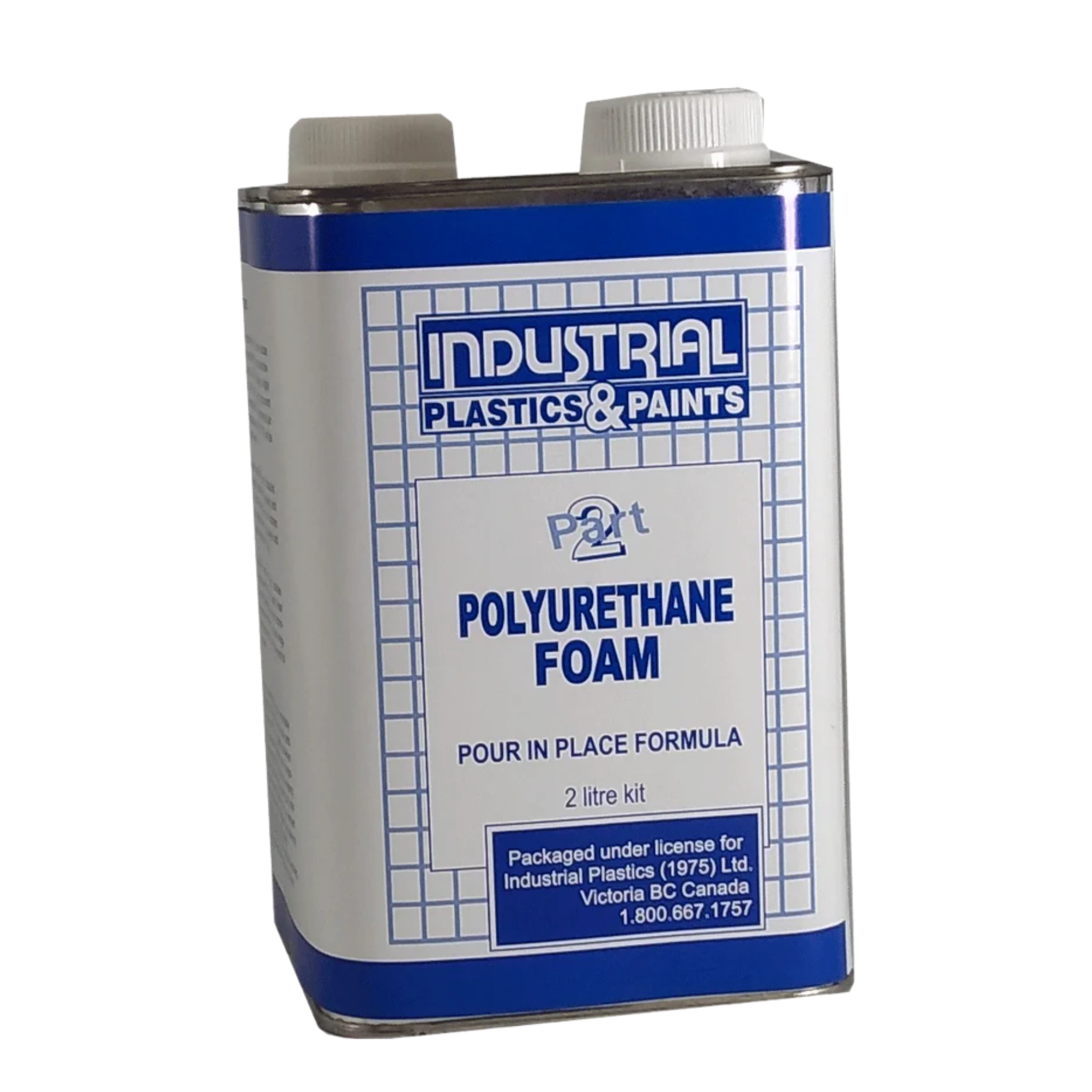
The Importance of Urethane Foam Density in Various Applications
Urethane foam density plays a crucial role in determining the performance and characteristics of foam-based products across a wide range of applications. Density refers to the mass per unit volume of the foam material and is typically measured in kilograms per cubic meter (kg/m³) or pounds per cubic foot (lb/ft³).
Impact on Comfort and Support
In furniture and bedding applications, urethane foam density directly affects comfort and support levels. Higher density foams are often used in mattresses and cushions to provide better support for the body, resulting in enhanced comfort and durability over time.
Insulation Properties
Urethane foam with higher density exhibits improved insulation properties, making it ideal for applications such as thermal insulation in buildings, refrigeration units, and vehicles. The higher the foam density, the better its ability to resist heat transfer, thereby enhancing energy efficiency.
Structural Strength
In structural applications such as packaging, automotive components, and construction materials, urethane foam density is critical for providing strength and durability. Higher density foams offer greater structural integrity and impact resistance, making them suitable for demanding environments.
Precision Engineering
For precision engineering applications like tooling, prototyping, and molding, urethane foam density plays a key role in achieving accurate dimensions and surface finishes. Lower density foams are often preferred for intricate designs that require fine detail reproduction.
Customization Options
Manufacturers can tailor urethane foam density to meet specific requirements by adjusting the formulation during production. This customization capability allows for the creation of products with varying levels of softness, firmness, or resilience to suit diverse end-user needs.
Conclusion
In conclusion, urethane foam density is a critical parameter that influences the performance, functionality, and quality of foam-based products across multiple industries. Understanding the impact of density on various properties enables manufacturers to design innovative solutions that meet market demands effectively.
Understanding Urethane Foam Density: Key FAQs and Their Impact on Various Applications
- What is urethane foam density?
- How is urethane foam density measured?
- Why is urethane foam density important in furniture and bedding?
- What impact does urethane foam density have on insulation properties?
- How does urethane foam density affect structural strength in applications?
- In what precision engineering applications is urethane foam density crucial?
- Can urethane foam density be customized for specific requirements?
- What are the advantages of using higher-density urethane foams?
- How does urethane foam density influence the comfort and support of products?
What is urethane foam density?
Urethane foam density refers to the mass per unit volume of urethane foam material, typically measured in kilograms per cubic meter (kg/m³) or pounds per cubic foot (lb/ft³). It is a crucial characteristic that influences the performance and properties of foam-based products in diverse applications. The density of urethane foam impacts factors such as comfort, support, insulation properties, structural strength, and precision engineering requirements. Manufacturers can customize urethane foam density to meet specific needs, allowing for the production of products with varying levels of firmness, softness, and durability. Understanding urethane foam density is essential for designing high-quality foam products that cater to a wide range of market demands effectively.
How is urethane foam density measured?
Urethane foam density is typically measured by calculating the mass of the foam material and dividing it by the volume it occupies. The standard units for measuring urethane foam density are kilograms per cubic meter (kg/m³) or pounds per cubic foot (lb/ft³). To determine the density of a urethane foam sample, the weight of the foam is measured using a scale, and its volume is determined by either water displacement method or geometric measurements. By dividing the mass of the foam by its volume, manufacturers and researchers can accurately quantify the density of urethane foam, which is essential for ensuring consistent quality and performance in various applications.
Why is urethane foam density important in furniture and bedding?
In furniture and bedding, urethane foam density is a crucial factor that directly impacts comfort, support, and longevity of the products. The density of urethane foam determines the firmness and resilience of mattresses, cushions, and pillows. Higher foam density in furniture and bedding ensures better body support, reducing pressure points and promoting a restful sleep experience. Additionally, dense urethane foam retains its shape and structural integrity over time, contributing to the durability and long-term performance of furniture items. Therefore, understanding the importance of urethane foam density is essential for manufacturers and consumers alike to select products that offer optimal comfort and quality in furniture and bedding applications.
What impact does urethane foam density have on insulation properties?
Urethane foam density plays a significant role in determining the insulation properties of foam materials. Higher urethane foam density results in improved insulation performance due to its ability to resist heat transfer more effectively. The compact structure of high-density urethane foam reduces the movement of air and heat through the material, enhancing its thermal resistance. As a result, foams with higher density are commonly used in applications requiring superior insulation, such as building construction, refrigeration units, and thermal packaging. The relationship between urethane foam density and insulation properties highlights the importance of selecting the appropriate density level based on specific insulation requirements to achieve optimal energy efficiency and temperature control.
How does urethane foam density affect structural strength in applications?
Urethane foam density plays a significant role in determining the structural strength of foam-based products in various applications. Higher urethane foam density results in greater structural integrity and durability, making it ideal for applications where strength and impact resistance are essential. The compact structure of high-density foam offers enhanced support and load-bearing capacity, ensuring that the product can withstand mechanical stresses and maintain its shape over time. Lower density foams, on the other hand, may be suitable for lighter-duty applications where flexibility and cushioning properties are prioritized over sheer strength. By selecting the appropriate urethane foam density based on the specific requirements of the application, manufacturers can optimize the performance and longevity of their products effectively.
In what precision engineering applications is urethane foam density crucial?
In precision engineering applications, urethane foam density plays a crucial role in achieving accurate dimensions and surface finishes. Industries such as tooling, prototyping, and molding rely on urethane foam with specific densities to ensure precise replication of intricate designs. Lower density foams are often preferred for applications that require fine detail reproduction, as they offer greater flexibility and conformability to complex shapes. By carefully selecting the appropriate urethane foam density for precision engineering tasks, manufacturers can enhance the quality and consistency of their final products while maintaining tight tolerances and meeting stringent specifications.
Can urethane foam density be customized for specific requirements?
Urethane foam density can indeed be customized to meet specific requirements based on the desired characteristics of the end product. Manufacturers have the flexibility to adjust the formulation during production to achieve varying levels of density, softness, firmness, or resilience in the foam material. This customization capability allows for tailored solutions that cater to a wide range of applications across industries such as furniture, bedding, insulation, packaging, automotive, and precision engineering. By fine-tuning urethane foam density according to specific needs, manufacturers can create products that offer optimal performance and functionality for their intended purposes.
What are the advantages of using higher-density urethane foams?
When considering the advantages of using higher-density urethane foams, several key benefits stand out. Firstly, higher-density foams offer superior support and comfort, making them ideal for applications such as mattresses and seating cushions where durability and resilience are essential. Additionally, these foams provide enhanced insulation properties, contributing to improved energy efficiency in thermal insulation applications. Moreover, higher-density urethane foams exhibit greater structural strength and impact resistance, making them suitable for demanding environments where durability is a priority. Overall, the use of higher-density urethane foams can result in products that offer superior performance, longevity, and overall quality.
How does urethane foam density influence the comfort and support of products?
Urethane foam density significantly influences the comfort and support of products by determining the level of firmness, durability, and resilience they offer. In general, higher density urethane foam provides better support for the body, leading to enhanced comfort over extended periods of use. The increased density helps distribute weight more evenly, reducing pressure points and promoting proper alignment of the spine. This results in a more comfortable experience for users, especially in applications such as mattresses, cushions, and seating where adequate support is essential. Additionally, higher density foam tends to be more durable and retains its shape better over time, ensuring long-lasting comfort and support for various products.