
The Versatile World of Thermoplastic Polyurethane Material
Thermoplastic polyurethane (TPU) is a remarkable material that has gained widespread popularity in various industries due to its unique properties and versatility. TPU is a type of elastomer that combines the best characteristics of rubber and plastic, making it ideal for a wide range of applications.
Properties of TPU
TPU exhibits excellent elasticity, flexibility, and durability, making it highly resistant to abrasion, tearing, and weathering. It also has good chemical resistance and can withstand extreme temperatures, making it suitable for both indoor and outdoor use. Additionally, TPU is lightweight yet strong, offering high tensile strength and impact resistance.
Applications of TPU
The versatility of TPU makes it a popular choice in industries such as footwear, automotive, electronics, sports equipment, medical devices, and textiles. In footwear production, TPU is used for outsoles, midsoles, and uppers due to its comfort, flexibility, and durability. In the automotive sector, TPU is utilized in interior components, seals, hoses, and airbags for its impact resistance and longevity.
Advantages of TPU
One of the key advantages of TPU is its recyclability and ability to be processed using various methods such as injection molding, extrusion, blow molding, and 3D printing. This allows for the production of complex shapes with precision while maintaining the material’s properties. TPU also offers design flexibility with options for customization in terms of color, hardness levels, and surface textures.
Future Prospects
As industries continue to seek sustainable solutions and innovative materials that meet evolving consumer demands, the future looks bright for thermoplastic polyurethane. With ongoing research and development efforts focused on enhancing its properties further and expanding its applications across diverse sectors, TPU is poised to remain a valuable material in the manufacturing world.
Understanding Thermoplastic Polyurethane: Uses, Strengths, and Safety
- What is thermoplastic polyurethane used for?
- What is the disadvantage of TPU?
- Is thermoplastic polyurethane a strong material?
- Is thermoplastic polyurethane a plastic or rubber?
- Is TPU better than PVC?
- Is Thermoplastic Polyurethane safe?
What is thermoplastic polyurethane used for?
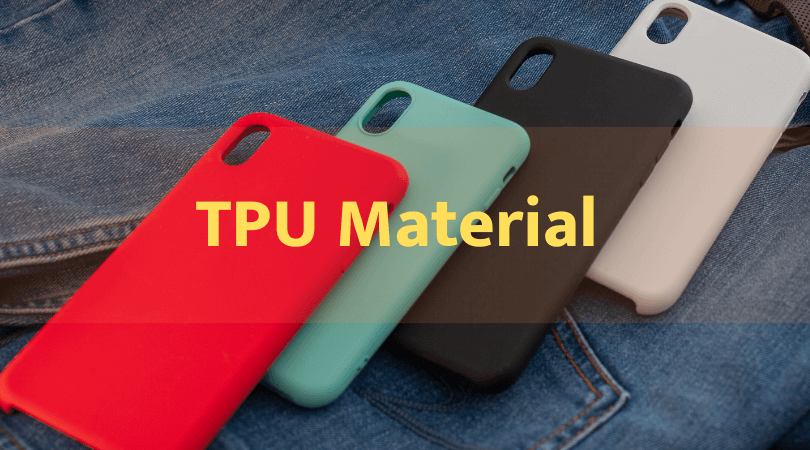
Thermoplastic polyurethane (TPU) finds diverse applications across industries due to its exceptional properties. TPU is commonly used for manufacturing a wide range of products such as footwear, automotive parts, electronics accessories, sports equipment, medical devices, and textiles. In footwear production, TPU is favored for its flexibility and durability, making it suitable for outsoles, midsoles, and uppers. In the automotive sector, TPU is utilized in various components like seals, hoses, and airbags due to its impact resistance and longevity. Moreover, TPU’s versatility allows for its use in creating protective cases for electronic devices, durable sporting gear, medical tubing with excellent chemical resistance, and flexible textiles with superior abrasion resistance.
What is the disadvantage of TPU?
While thermoplastic polyurethane (TPU) offers a wide range of advantages such as excellent elasticity, durability, and versatility, one potential disadvantage of TPU is its susceptibility to hydrolysis. Hydrolysis is a chemical reaction that occurs when TPU comes into contact with moisture or water over time, leading to a decrease in its mechanical properties and performance. This can impact the lifespan and durability of TPU-based products, especially in applications where exposure to moisture is unavoidable. Manufacturers often address this challenge through the use of additives or coatings to enhance the material’s resistance to hydrolysis and improve its longevity in demanding environments.
Is thermoplastic polyurethane a strong material?
Thermoplastic polyurethane (TPU) is indeed a strong material known for its high tensile strength and durability. TPU combines the toughness of plastic with the flexibility of rubber, making it resistant to abrasion, tearing, and weathering. Its strength allows it to withstand impact and mechanical stress, making it suitable for a wide range of applications across various industries. Whether used in footwear, automotive components, sports equipment, or medical devices, TPU’s strength and resilience make it a reliable choice for manufacturers seeking robust materials that can endure demanding conditions.
Is thermoplastic polyurethane a plastic or rubber?
Thermoplastic polyurethane (TPU) blurs the line between plastic and rubber, embodying the best qualities of both materials. While technically classified as a plastic due to its thermoplastic nature, TPU exhibits rubber-like properties such as elasticity, flexibility, and resilience. This unique combination of characteristics sets TPU apart from traditional plastics and rubbers, making it a versatile material that finds applications across various industries.
Is TPU better than PVC?
When comparing thermoplastic polyurethane (TPU) to polyvinyl chloride (PVC), the choice between the two materials often depends on the specific requirements of the application. TPU is known for its superior elasticity, flexibility, and durability, making it highly resistant to abrasion and tearing. It also offers excellent chemical resistance and can withstand extreme temperatures, making it suitable for a wide range of environments. On the other hand, PVC is valued for its cost-effectiveness and versatility in applications such as construction, healthcare, and automotive industries. While TPU may be preferred for applications requiring high performance and durability, PVC remains a popular choice for its affordability and ease of processing. Ultimately, the decision between TPU and PVC comes down to factors such as desired properties, budget constraints, and intended use.
Is Thermoplastic Polyurethane safe?
Thermoplastic Polyurethane (TPU) is considered a safe material for various applications. TPU is known for its non-toxic nature and compliance with regulatory standards, making it suitable for use in products that come into contact with humans or the environment. As with any material, proper handling, processing, and disposal practices should be followed to ensure safety. TPU’s versatility, durability, and resistance to chemicals make it a preferred choice in industries where safety and performance are paramount. Manufacturers often conduct tests and certifications to validate the safety of TPU in different applications, providing assurance to consumers about its reliability and suitability for use.