
The Importance of Efficient Supply Chains in Today’s Business World
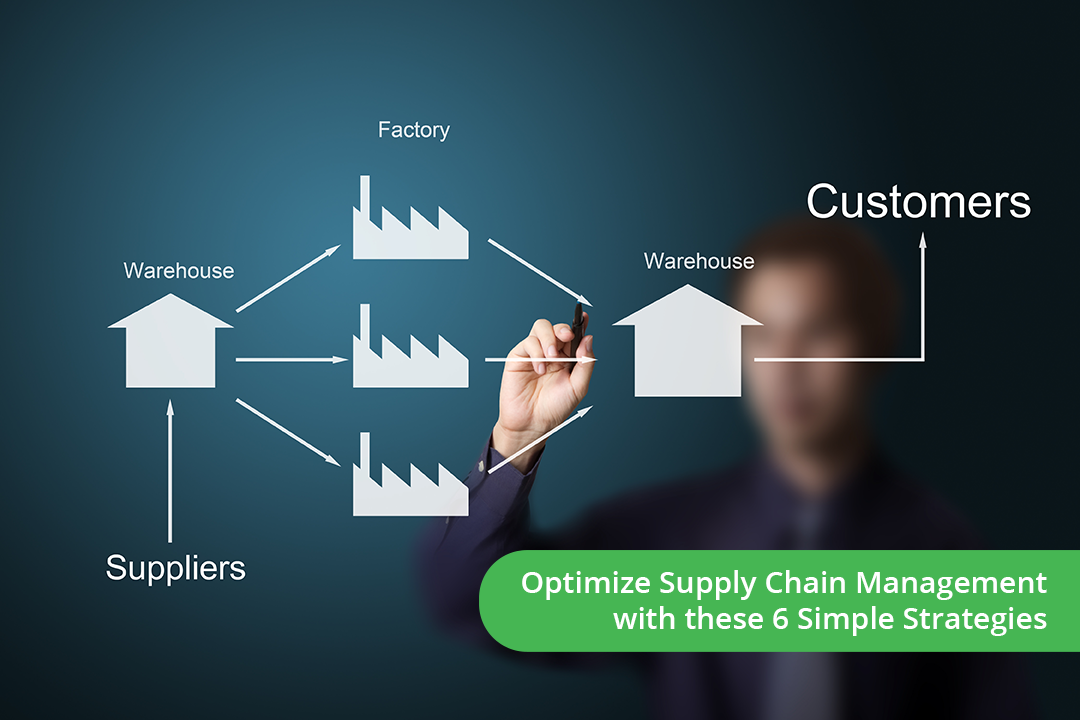
In the fast-paced and interconnected global economy, supply chains play a crucial role in the success of businesses across various industries. A supply chain encompasses the entire process of delivering a product or service from raw material sourcing to final delivery to the end customer.
An efficient supply chain is essential for companies to meet customer demands, reduce costs, and stay competitive in the market. By streamlining processes, optimizing logistics, and leveraging technology, businesses can enhance their supply chain management practices.
Effective supply chain management involves coordination among suppliers, manufacturers, distributors, retailers, and other stakeholders to ensure seamless flow of goods and services. This collaboration helps in minimizing lead times, improving inventory management, and enhancing overall operational efficiency.
Moreover, a well-managed supply chain enables companies to respond quickly to market changes, mitigate risks such as disruptions in the production process or fluctuations in demand, and maintain high levels of customer satisfaction.
With advancements in digital technologies like artificial intelligence, blockchain, and data analytics, businesses now have tools to optimize their supply chains further. These technologies provide real-time visibility into operations, facilitate data-driven decision-making, and enable predictive analysis for better planning and forecasting.
In conclusion, efficient supply chains are fundamental to the success of modern businesses. By investing in robust supply chain management practices and embracing technological innovations, companies can gain a competitive edge, drive growth, and adapt to the dynamic demands of today’s business environment.
Understanding Supply Chains: Key Questions and Answers
- Who is the biggest supply chain?
- What is supply chain in few words?
- What are the four types of supply chains?
- What do you mean by supply chain?
- What is an example of a supply chain?
- What are the four 4 stages of supply chains?
- What is a supply chain and its types?
Who is the biggest supply chain?
In the realm of supply chains, it is challenging to pinpoint a single entity as the “biggest” supply chain, as the scale and complexity of supply chain networks vary across industries and regions. Leading multinational corporations such as Amazon, Walmart, and Apple are often cited for their extensive supply chain operations that span across multiple countries and involve numerous suppliers, manufacturers, distributors, and retailers. These companies are known for their strategic investments in supply chain management practices to ensure efficient logistics, inventory control, and timely delivery of products to customers. However, defining the “biggest” supply chain ultimately depends on factors such as revenue generated, geographical reach, industry influence, and overall operational scale.
What is supply chain in few words?
In simple terms, a supply chain refers to the interconnected network of individuals, organizations, activities, resources, and technologies involved in the production and distribution of goods or services from raw material suppliers to end customers. It encompasses all the steps and processes required to deliver a product or service efficiently and effectively, including sourcing, manufacturing, transportation, warehousing, and delivery. The goal of a supply chain is to ensure seamless coordination and collaboration among various stakeholders to meet customer demands while optimizing costs and enhancing operational performance.
What are the four types of supply chains?
In the realm of supply chain management, there are four main types of supply chains that companies commonly employ: 1) Integrated Supply Chain, where all aspects of the supply chain are managed by a single entity; 2) Efficient Supply Chain, focused on minimizing costs and maximizing efficiency in production and distribution processes; 3) Responsive Supply Chain, designed to quickly adapt to changes in demand and market conditions; and 4) Agile Supply Chain, which emphasizes flexibility and innovation to meet customer needs in dynamic environments. Each type of supply chain has its unique characteristics and benefits, catering to different business strategies and objectives.
What do you mean by supply chain?
Supply chain refers to the interconnected network of activities, resources, organizations, and technologies involved in the production and distribution of goods or services from raw material suppliers to end customers. It encompasses all stages of the product lifecycle, including procurement, manufacturing, transportation, storage, and delivery. Effective supply chain management focuses on optimizing these processes to ensure timely delivery, minimize costs, and enhance overall efficiency. By streamlining operations and fostering collaboration among various stakeholders, businesses can create a seamless supply chain that meets customer demands and drives organizational success.
What is an example of a supply chain?
An example of a supply chain can be seen in the production and distribution of smartphones. The supply chain for smartphones typically involves multiple stages, starting from the sourcing of raw materials such as metals, plastics, and electronic components from suppliers around the world. These materials are then transported to manufacturing facilities where they are assembled into finished products. Once the smartphones are manufactured, they are distributed to warehouses or directly to retailers through a network of transportation and logistics partners. Finally, the smartphones reach the end customers through retail stores or online channels, completing the supply chain cycle. This example illustrates how various entities collaborate and coordinate their efforts to bring a product from its raw material stage to the hands of consumers.
What are the four 4 stages of supply chains?
In supply chain management, there are typically four main stages that define the flow of goods and services from sourcing raw materials to delivering the final product to customers. The first stage is procurement, where raw materials are acquired from suppliers. The next stage is production, where the raw materials are transformed into finished goods through manufacturing processes. Following production is the distribution stage, which involves storing and transporting the products to various locations. The final stage is customer fulfillment, where the products reach the end consumers through sales channels. These four stages—procurement, production, distribution, and customer fulfillment—are integral components of a well-structured and efficient supply chain system.
What is a supply chain and its types?
A supply chain refers to the network of interconnected entities involved in the production, distribution, and delivery of goods or services from suppliers to end customers. It encompasses all stages of the process, including sourcing raw materials, manufacturing, warehousing, transportation, and retailing. There are various types of supply chains based on their structure and complexity, such as linear supply chains, networked supply chains, agile supply chains, and sustainable supply chains. Each type has its unique characteristics and focuses on different aspects like flexibility, responsiveness to market changes, environmental sustainability, or cost efficiency. Understanding the different types of supply chains is essential for businesses to tailor their strategies and operations effectively to meet specific goals and challenges in today’s dynamic business landscape.