
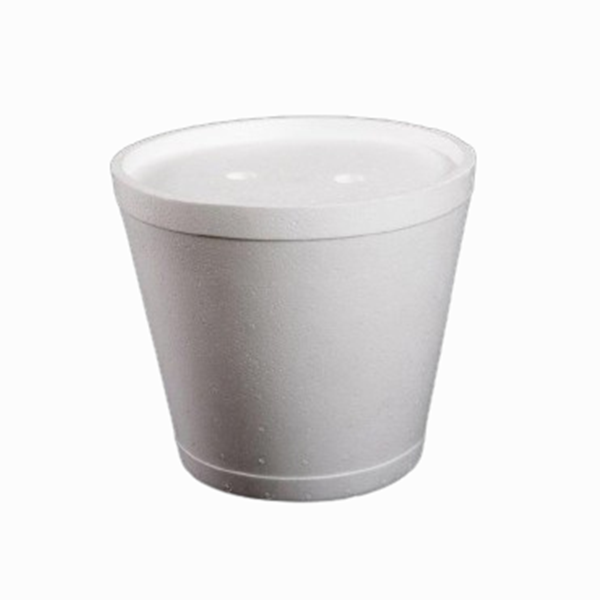
The Versatile Material: Styrofoam
Styrofoam, also known as expanded polystyrene (EPS), is a lightweight and versatile material that has found numerous applications across various industries. Its unique properties make it a popular choice for packaging, insulation, and even creative arts and crafts projects.
Properties of Styrofoam
Styrofoam is made up of 98% air and only 2% polystyrene, which gives it its lightweight nature. It is an excellent insulator, providing thermal resistance and moisture resistance. Styrofoam is also buoyant, making it ideal for use in flotation devices and surfboards.
Applications of Styrofoam
One of the most common uses of Styrofoam is in packaging materials. Its cushioning properties help protect fragile items during shipping. In the construction industry, Styrofoam sheets are used for insulation to improve energy efficiency in buildings. Additionally, Styrofoam balls and shapes are popular for craft projects due to their ease of shaping and decorating.
Environmental Concerns
While Styrofoam offers many benefits, its environmental impact has raised concerns. It is non-biodegradable and can persist in the environment for hundreds of years if not properly disposed of. Recycling programs have been established to reduce the amount of Styrofoam waste ending up in landfills.
The Future of Styrofoam
Efforts are being made to develop more sustainable alternatives to traditional Styrofoam products. Biodegradable foam materials and recycling initiatives aim to mitigate the environmental impact associated with Styrofoam use. As technology advances, we can expect to see innovations that make Styrofoam more eco-friendly while retaining its valuable properties.
In conclusion, Styrofoam remains a valuable material with a wide range of applications despite environmental challenges. By promoting responsible use and disposal practices, we can continue to benefit from the versatility of this unique material while minimizing its impact on the planet.
5 Benefits of Styrofoam: Lightweight, Insulating, Affordable, Versatile, and Buoyant
- Lightweight and easy to handle
- Excellent insulating properties for temperature and sound
- Affordable and cost-effective material
- Versatile applications in packaging, construction, and crafts
- Buoyant nature makes it suitable for flotation devices
Five Environmental Drawbacks of Styrofoam: Pollution, Recycling Challenges, and Wildlife Risks
- Non-biodegradable, leading to long-term environmental pollution
- Difficult to recycle and often ends up in landfills
- Can release toxic chemicals when burned
- Breaks down into small pieces that can harm wildlife if ingested
- Production process may contribute to air and water pollution
Lightweight and easy to handle
Styrofoam’s lightweight nature and ease of handling make it a highly practical material for various applications. Its low density and buoyancy make it effortless to transport and maneuver, reducing labor costs and increasing efficiency in industries such as packaging and construction. Whether used for insulating buildings or protecting delicate items during shipping, the convenience of working with lightweight Styrofoam adds value by simplifying tasks and streamlining processes.
Excellent insulating properties for temperature and sound
Styrofoam’s excellent insulating properties for temperature and sound make it a highly sought-after material in various industries. Its ability to provide thermal resistance helps in maintaining desired temperatures, whether for packaging perishable goods or insulating buildings for energy efficiency. Additionally, the sound-absorbing qualities of Styrofoam make it an ideal choice for reducing noise transmission in construction projects or creating quieter environments. The versatility of Styrofoam as an insulator for both temperature and sound makes it a valuable solution for a wide range of applications where effective insulation is crucial.
Affordable and cost-effective material
Styrofoam stands out as an affordable and cost-effective material due to its low production costs and lightweight nature. Its economic advantage makes it a popular choice for various applications, especially in industries where cost efficiency is a priority. Whether used for packaging, insulation, or crafting purposes, Styrofoam provides a budget-friendly solution without compromising on performance. Its affordability makes it accessible to a wide range of users, contributing to its widespread use in diverse sectors.
Versatile applications in packaging, construction, and crafts
Styrofoam’s versatility shines through its wide range of applications in packaging, construction, and crafts. In the packaging industry, Styrofoam’s cushioning properties provide excellent protection for fragile items during transportation. In construction, Styrofoam sheets are utilized as insulation material to enhance energy efficiency in buildings. Moreover, Styrofoam’s lightweight and moldable nature make it a popular choice for creative arts and crafts projects, allowing artists and hobbyists to explore their creativity with ease. The ability of Styrofoam to adapt to various needs across different sectors underscores its value as a versatile material with practical uses in diverse fields.
Buoyant nature makes it suitable for flotation devices
Styrofoam’s buoyant nature is a significant advantage that makes it well-suited for use in flotation devices. Due to its lightweight composition and ability to displace water effectively, Styrofoam provides excellent floatation properties, making it a reliable choice for applications where buoyancy is crucial. Whether used in life jackets, buoys, or marine safety equipment, Styrofoam’s inherent buoyancy ensures that these flotation devices can support weight and keep individuals afloat in water, contributing to enhanced safety and security in aquatic environments.
Non-biodegradable, leading to long-term environmental pollution
Styrofoam’s non-biodegradability poses a significant con as it contributes to long-term environmental pollution. Due to its composition and structure, Styrofoam can persist in the environment for hundreds of years without breaking down naturally. Improper disposal of Styrofoam products leads to accumulation in landfills and water bodies, impacting ecosystems and wildlife. The long-lasting nature of Styrofoam waste poses a challenge for environmental sustainability, highlighting the urgent need for responsible waste management practices and the development of more eco-friendly alternatives.
Difficult to recycle and often ends up in landfills
Styrofoam poses a significant environmental challenge due to its difficulty in recycling, leading to a large portion of it ending up in landfills. The lightweight and non-biodegradable nature of Styrofoam make it costly and complex to recycle compared to other materials. As a result, Styrofoam waste accumulates in landfills, where it can take hundreds of years to decompose, contributing to environmental pollution and long-term sustainability concerns. Efforts are being made to improve recycling technologies and promote responsible disposal practices to reduce the negative impact of Styrofoam on the environment.
Can release toxic chemicals when burned
When Styrofoam is burned, it can release toxic chemicals into the air, posing a significant environmental and health hazard. The combustion of Styrofoam releases harmful substances such as styrene gas, carbon monoxide, and polycyclic aromatic hydrocarbons, which can have adverse effects on air quality and human health. Inhalation of these toxic fumes can lead to respiratory issues, irritation of the eyes and skin, and even more serious health conditions with prolonged exposure. Proper disposal methods and recycling initiatives are crucial to prevent the burning of Styrofoam and minimize the release of harmful chemicals into the environment.
Breaks down into small pieces that can harm wildlife if ingested
Styrofoam poses a significant environmental con as it has the tendency to break down into small pieces that can be harmful to wildlife if ingested. Marine animals, birds, and other wildlife often mistake these small Styrofoam fragments for food, leading to ingestion and potential harm. The non-biodegradable nature of Styrofoam means that once consumed, it can cause blockages in the digestive systems of animals, leading to serious health issues and even death. This highlights the urgent need for proper disposal practices and the development of more sustainable alternatives to reduce the impact of Styrofoam pollution on our ecosystems.
Production process may contribute to air and water pollution
The production process of Styrofoam may pose a significant environmental concern as it has the potential to contribute to air and water pollution. During the manufacturing of Styrofoam, various chemicals and volatile organic compounds (VOCs) are released into the atmosphere, leading to air pollution. Additionally, wastewater from the production process may contain harmful substances that can contaminate water sources if not properly treated. The discharge of pollutants into the environment during Styrofoam production highlights the need for stricter regulations and sustainable practices to mitigate its negative impact on air and water quality.