
The Benefits of Spray Foam Insulation
Spray foam insulation is a popular choice for homeowners and builders looking to improve the energy efficiency of buildings. This type of insulation is applied as a liquid that expands into a foam, creating a seamless barrier that helps to prevent air leakage and heat transfer.
Energy Efficiency
One of the key advantages of spray foam insulation is its superior energy efficiency. By sealing gaps and cracks in walls, ceilings, and floors, it helps to maintain a consistent indoor temperature, reducing the need for heating and cooling. This can lead to significant savings on energy bills over time.
Air Quality
Another benefit of spray foam insulation is its ability to improve indoor air quality. By creating an airtight seal, it helps to prevent the infiltration of dust, pollen, and other allergens into the building. This can be especially beneficial for individuals with respiratory conditions or allergies.
Durability
Spray foam insulation is known for its durability and longevity. Once applied, it forms a strong bond with the surface, making it resistant to moisture and mold growth. Unlike traditional insulation materials like fiberglass or cellulose, spray foam does not sag or settle over time, ensuring consistent performance for years to come.
Environmental Impact
In addition to its energy-saving benefits, spray foam insulation is also considered environmentally friendly. Its high R-value (a measure of thermal resistance) allows for thinner application layers compared to other types of insulation, reducing material usage. Furthermore, some formulations are made from renewable resources or recycled materials, further minimizing environmental impact.
Conclusion
Overall, spray foam insulation offers a range of benefits that make it an attractive choice for modern construction projects. From improved energy efficiency and air quality to enhanced durability and eco-friendliness, this versatile insulation material has become a go-to option for those looking to create comfortable and sustainable living spaces.
Everything You Need to Know About Spray Foam Insulation: Costs, Uses, Pros and Cons
- How much does it cost to spray foam for 1000 sq ft?
- What is spray foam insulation used for?
- Why are people removing spray foam?
- What are the disadvantages of spray foam insulation?
- Is it a good idea to spray foam insulation?
- What is the disadvantage of spray foam insulation?
- Is spray foam insulation a good insulator?
How much does it cost to spray foam for 1000 sq ft?
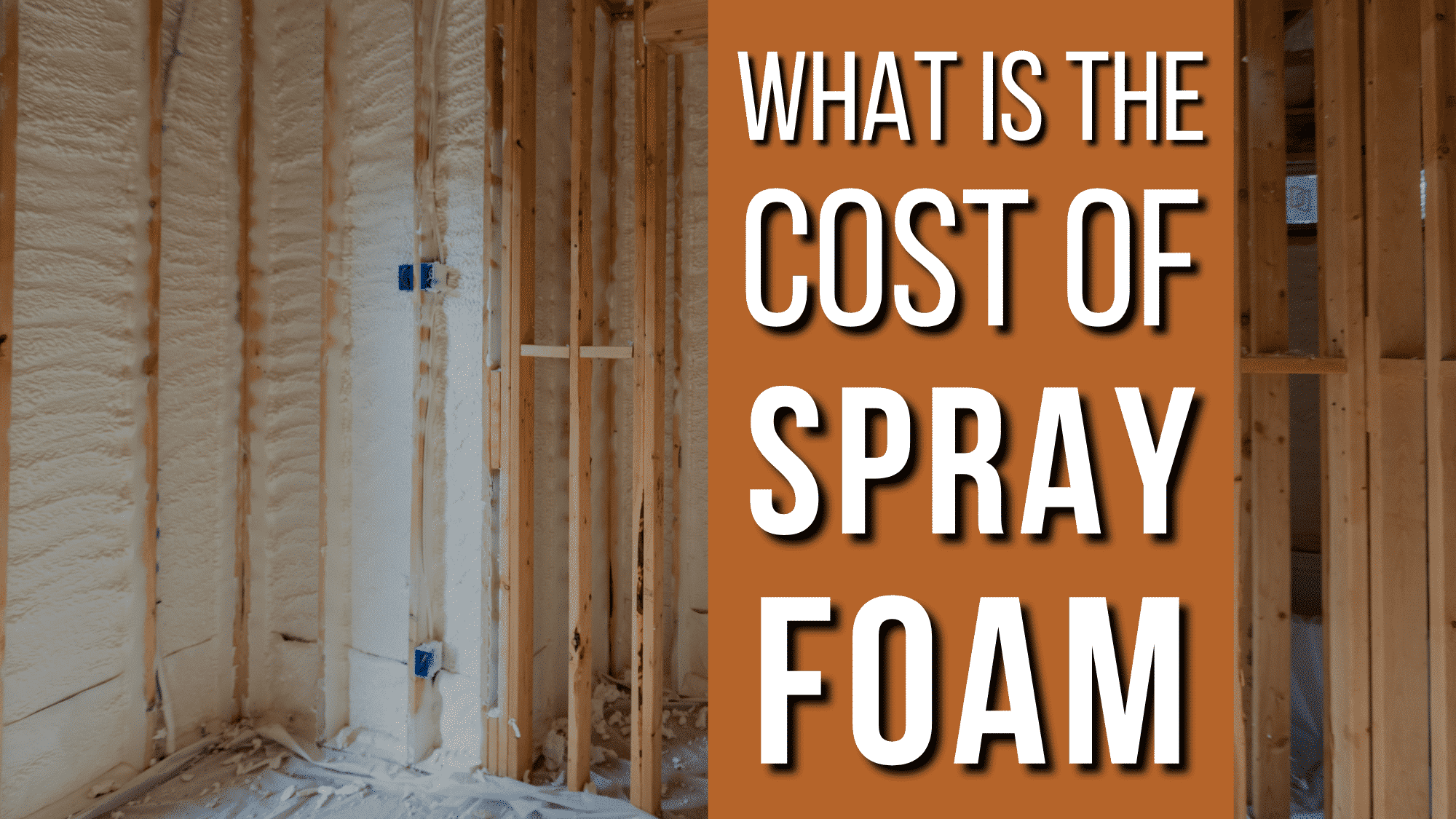
When considering the cost of spray foam insulation for a 1000 square foot area, several factors come into play. The cost can vary depending on the type of spray foam used (open-cell or closed-cell), the thickness of the insulation required, labor costs, and any additional preparation or equipment needed for the application process. On average, the cost of spray foam insulation for a 1000 square foot area can range from INR 1,00,000 to INR 2,00,000 or more. It is recommended to obtain quotes from multiple contractors to get a more accurate estimate based on your specific needs and location.
What is spray foam insulation used for?
Spray foam insulation is commonly used for a variety of purposes in both residential and commercial buildings. Its primary function is to create a thermal barrier that helps regulate indoor temperatures by preventing heat loss in winter and heat gain in summer. Additionally, spray foam insulation is effective in sealing gaps and cracks in walls, ceilings, and floors, which helps improve energy efficiency and reduce utility costs. It also acts as a sound barrier, reducing noise transmission between rooms or from outside sources. Furthermore, spray foam insulation can help protect against moisture infiltration, mold growth, and air pollutants, contributing to a healthier indoor environment.
Why are people removing spray foam?
There are various reasons why people may choose to remove spray foam insulation. One common reason is the presence of moisture issues, which can lead to mold growth and structural damage if not addressed promptly. In some cases, improper installation or aging of the insulation material may result in decreased effectiveness or performance over time, prompting homeowners to consider removal and replacement. Additionally, changes in building codes or renovation plans may require the removal of existing spray foam insulation to accommodate new construction or upgrades. Ultimately, the decision to remove spray foam insulation is often driven by a combination of factors related to performance, maintenance, and compliance with evolving standards in building practices.
What are the disadvantages of spray foam insulation?
While spray foam insulation offers numerous benefits, it is important to consider its potential disadvantages as well. One common drawback of spray foam insulation is its initial cost, which can be higher than traditional insulation materials such as fiberglass or cellulose. Additionally, improper installation of spray foam insulation can lead to issues such as off-gassing of chemicals or poor adhesion, affecting indoor air quality and overall performance. Another consideration is that once spray foam insulation is applied, it can be challenging to remove or modify without professional assistance, limiting future renovation options. It is essential for homeowners and builders to weigh these disadvantages against the advantages of spray foam insulation to make an informed decision based on their specific needs and priorities.
Is it a good idea to spray foam insulation?
When considering spray foam insulation, it is important to weigh the benefits against your specific needs and budget. Spray foam insulation offers superior energy efficiency, air sealing properties, durability, and environmental benefits compared to traditional insulation materials. However, it may come at a higher initial cost. If you prioritize long-term energy savings, improved indoor air quality, and a more sustainable option, then spray foam insulation can be a good idea. Consulting with a professional insulation contractor can help you assess whether spray foam insulation is the right choice for your project and budget.
What is the disadvantage of spray foam insulation?
While spray foam insulation offers numerous advantages, it is important to consider its potential disadvantages as well. One common drawback of spray foam insulation is its initial cost, which can be higher than traditional insulation materials. Additionally, improper installation of spray foam insulation can lead to issues such as off-gassing of chemicals or poor adhesion, compromising its effectiveness. Furthermore, once spray foam insulation is applied, it can be challenging to remove or modify without professional assistance. It is essential for homeowners and builders to carefully weigh the benefits and drawbacks of spray foam insulation to make an informed decision that aligns with their specific needs and budget constraints.
Is spray foam insulation a good insulator?
When considering insulation options, many people wonder, “Is spray foam insulation a good insulator?” The answer is a resounding yes. Spray foam insulation is considered one of the most effective insulating materials available in the market today. Its ability to create an airtight seal and its high R-value make it a superior choice for improving energy efficiency and maintaining comfortable indoor temperatures. Additionally, spray foam insulation’s durability and resistance to moisture and mold further enhance its effectiveness as a long-term insulation solution.