
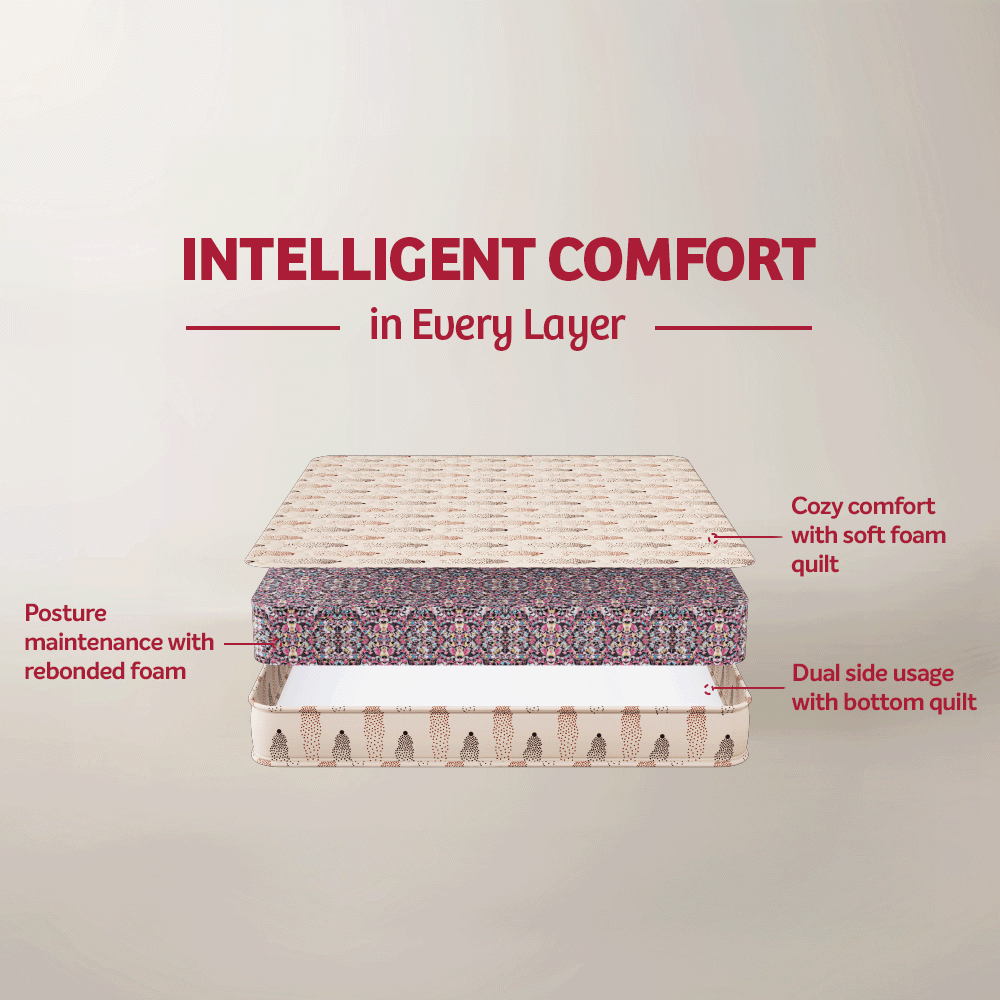
The Versatility and Comfort of Soft Foam
Soft foam is a popular material known for its versatility and comfort in various applications. Whether it’s used in furniture, bedding, automotive seating, or packaging, soft foam provides cushioning and support while offering a luxurious feel.
In the furniture industry, soft foam is commonly used in sofas, chairs, and mattresses to enhance comfort and durability. Its ability to conform to the body’s shape ensures a relaxing sitting or sleeping experience. Additionally, soft foam can be customized in different densities and thicknesses to meet specific requirements.
Automotive manufacturers also rely on soft foam for vehicle seating due to its excellent shock absorption properties. The cushioning provided by soft foam enhances passenger comfort during long journeys while ensuring safety by reducing impact forces in case of accidents.
Soft foam is also widely utilized in packaging materials to protect fragile items during shipping. Its lightweight nature combined with superior cushioning properties makes it an ideal choice for safeguarding delicate products from damage while in transit.
Overall, soft foam continues to be a sought-after material across industries for its ability to provide both comfort and support. Its adaptability and resilience make it a valuable component in various products where cushioning and coziness are essential.
6 Essential Tips for Maintaining and Protecting Soft Foam Furniture
- Avoid exposing soft foam to direct sunlight for prolonged periods as it may cause discoloration and deterioration.
- Regularly fluff and rotate soft foam cushions to maintain their shape and prevent uneven wear.
- Use a gentle upholstery cleaner suitable for soft foam to spot clean any spills or stains promptly.
- Consider using a protective cover or fabric treatment to help prolong the life of soft foam furniture.
- Avoid dragging heavy objects across soft foam surfaces to prevent tears or damage to the material.
- If storing soft foam items, ensure they are kept in a cool, dry place away from moisture and pests.
Avoid exposing soft foam to direct sunlight for prolonged periods as it may cause discoloration and deterioration.
It is important to avoid exposing soft foam to direct sunlight for prolonged periods as it can lead to discoloration and deterioration of the material. Sunlight contains UV rays that can break down the chemical structure of the foam, causing it to lose its original color and become brittle over time. To preserve the quality and appearance of soft foam products, it is advisable to keep them away from direct sunlight or use protective covers when necessary.
Regularly fluff and rotate soft foam cushions to maintain their shape and prevent uneven wear.
Regularly fluffing and rotating soft foam cushions is a crucial tip to maintain their shape and prevent uneven wear. By doing so, you redistribute the filling inside the cushion, ensuring consistent support and comfort. This simple maintenance routine helps extend the lifespan of your soft foam cushions, keeping them looking and feeling plush for longer periods.
Use a gentle upholstery cleaner suitable for soft foam to spot clean any spills or stains promptly.
It is important to use a gentle upholstery cleaner specifically designed for soft foam when spot cleaning spills or stains promptly. This ensures that the soft foam remains in good condition while effectively removing any dirt or marks. By using the right cleaner, you can maintain the quality and appearance of your soft foam furniture or bedding for long-lasting comfort and cleanliness.
Consider using a protective cover or fabric treatment to help prolong the life of soft foam furniture.
Enhance the longevity of your soft foam furniture by considering the use of a protective cover or fabric treatment. These simple measures can help safeguard your furniture from spills, stains, and everyday wear and tear, ultimately prolonging its life and maintaining its aesthetic appeal. By investing in protective solutions, you can enjoy your soft foam furniture for years to come while keeping it looking fresh and inviting.
Avoid dragging heavy objects across soft foam surfaces to prevent tears or damage to the material.
It is important to avoid dragging heavy objects across soft foam surfaces to prevent tears or damage to the material. Dragging heavy items can cause excessive stress on the foam, leading to tears, cuts, or deformities that may compromise its cushioning properties. To maintain the integrity and longevity of soft foam surfaces, it is recommended to lift and move heavy objects carefully without putting unnecessary strain on the foam.
If storing soft foam items, ensure they are kept in a cool, dry place away from moisture and pests.
When storing soft foam items, it is crucial to maintain their quality by keeping them in a cool, dry environment that is free from moisture and pests. Excess humidity can lead to mold growth and deterioration of the foam material, while pests like insects and rodents can cause damage. By storing soft foam products in a well-ventilated space away from moisture sources and taking precautions against pests, you can prolong their lifespan and ensure they remain in good condition for future use.