
The Importance of Sealants in Construction and Industry
Sealants play a crucial role in various sectors, including construction and industry, by providing protection against environmental factors, enhancing structural integrity, and preventing leaks. These versatile materials are used to seal gaps, joints, and seams in buildings, machinery, vehicles, and other structures.
Applications of Sealants
In the construction industry, sealants are commonly used to seal windows, doors, roofs, and expansion joints to prevent water infiltration and air leakage. In industrial settings, sealants are applied to equipment and pipelines to ensure tight seals that prevent leaks of fluids or gases.
Types of Sealants
There are various types of sealants available based on their composition and intended use. Some common types include silicone sealants, polyurethane sealants, acrylic sealants, and butyl rubber sealants. Each type offers specific properties such as flexibility, adhesion strength, weather resistance, and chemical resistance.
Benefits of Using Sealants
Sealants offer several benefits including:
- Waterproofing: Preventing water penetration into structures
- Energy efficiency: Reducing air leakage for improved insulation
- Durability: Enhancing the lifespan of structures by protecting against corrosion and deterioration
- Aesthetics: Providing a clean finish by hiding gaps and imperfections
Choosing the Right Sealant
When selecting a sealant for a specific application, factors such as substrate material compatibility, environmental conditions (temperature, UV exposure), flexibility requirements, curing time, and expected lifespan should be considered. It is essential to choose a high-quality sealant that meets the performance criteria for the intended use.
In Conclusion
Sealants are indispensable in construction and industry for maintaining structural integrity, preventing damage from external elements, and ensuring operational efficiency. By selecting the right type of sealant and applying it correctly, professionals can achieve long-lasting seals that contribute to the overall performance and longevity of structures.
7 Essential Tips for Maximizing the Effectiveness of Dental Sealants
- Sealants are a protective coating applied to the chewing surfaces of teeth to prevent decay.
- They are commonly used on molars, as these teeth have deep grooves where food particles can get trapped.
- Sealants are most effective when applied soon after the eruption of permanent molars, typically around age 6 for first molars and age 12 for second molars.
- Regular dental check-ups are important to monitor the condition of sealants and ensure they are intact and functioning properly.
- Maintaining good oral hygiene practices, such as brushing twice a day and flossing regularly, is essential even with sealants in place.
- Avoid biting down on hard objects or using your teeth as tools to help prolong the lifespan of sealants.
- If you notice any chips or wear on your sealants, consult your dentist promptly for evaluation and possible repair.
Sealants are a protective coating applied to the chewing surfaces of teeth to prevent decay.
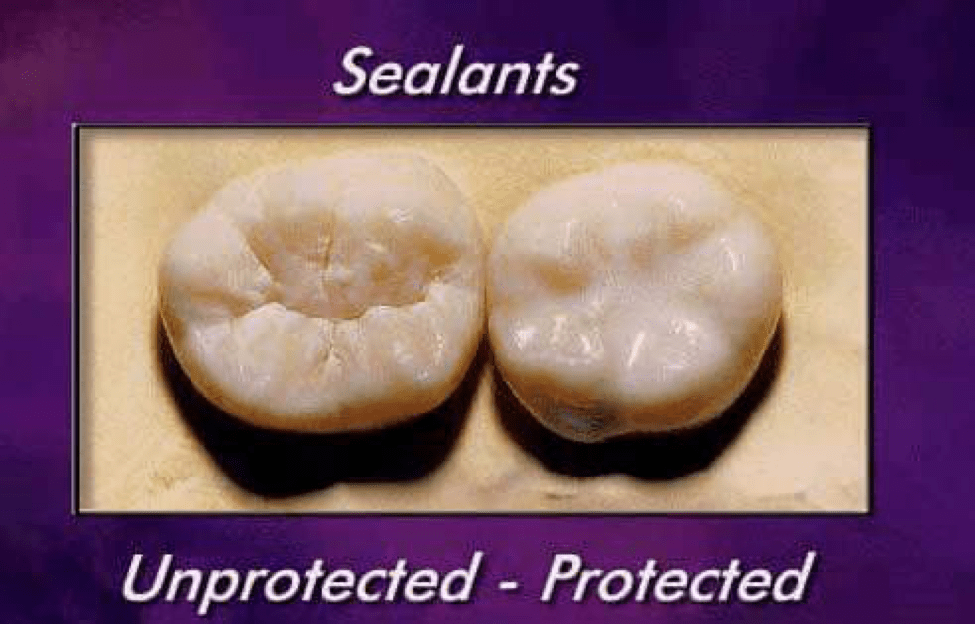
Sealants are a preventive dental treatment where a protective coating is applied to the chewing surfaces of teeth to help prevent decay. By sealing off the deep grooves and pits of the teeth, sealants act as a barrier against bacteria and food particles that can lead to cavities. This simple yet effective procedure is often recommended for children and adults alike to maintain good oral health and reduce the risk of tooth decay in hard-to-reach areas of the mouth.
They are commonly used on molars, as these teeth have deep grooves where food particles can get trapped.
Sealants are frequently applied to molars due to their deep grooves that can easily trap food particles. By sealing these grooves with a protective coating, sealants help prevent the accumulation of debris and bacteria, reducing the risk of tooth decay and cavities. This preventive measure is especially beneficial for maintaining the oral health of molars, which are susceptible to decay due to their anatomical structure. Regular application of sealants on molars can contribute to long-term dental hygiene and overall oral well-being.
Sealants are most effective when applied soon after the eruption of permanent molars, typically around age 6 for first molars and age 12 for second molars.
Proper application of sealants is crucial for dental health, especially when targeting the eruption of permanent molars, which usually occurs around the ages of 6 for first molars and 12 for second molars. By applying sealants during this critical period, dental professionals can effectively protect the newly erupted teeth from decay and cavities, ensuring long-term oral health for children. Early intervention with sealants can significantly reduce the risk of dental issues and promote a lifetime of healthy smiles.
Regular dental check-ups are important to monitor the condition of sealants and ensure they are intact and functioning properly.
Regular dental check-ups are essential to monitor the condition of sealants and ensure they are intact and functioning effectively. During dental visits, dentists can inspect the sealants for any signs of wear, damage, or deterioration. By identifying issues early on, necessary maintenance or replacements can be carried out to maintain the protective barrier provided by the sealants. Monitoring the integrity of sealants through regular check-ups helps in preserving oral health and preventing potential dental problems in the long run.
Maintaining good oral hygiene practices, such as brushing twice a day and flossing regularly, is essential even with sealants in place.
Even with sealants in place, maintaining good oral hygiene practices remains essential for optimal dental health. Brushing your teeth twice a day and flossing regularly help to remove food particles, plaque, and bacteria that can accumulate around the sealants. These habits not only ensure the longevity of the sealants but also protect the underlying teeth from decay and cavities. By combining proper oral care with the benefits of sealants, you can safeguard your smile and promote overall dental well-being.
Avoid biting down on hard objects or using your teeth as tools to help prolong the lifespan of sealants.
To prolong the lifespan of sealants, it is important to avoid biting down on hard objects or using your teeth as tools. Such habits can put unnecessary pressure on the sealant, potentially causing it to crack or dislodge. By being mindful of how you use your teeth and avoiding using them for tasks other than eating, you can help maintain the integrity of the sealant and ensure its effectiveness in sealing gaps and joints effectively.
If you notice any chips or wear on your sealants, consult your dentist promptly for evaluation and possible repair.
If you notice any chips or wear on your sealants, it is important to consult your dentist promptly for evaluation and possible repair. Dental sealants are applied to protect the teeth from decay by sealing off vulnerable areas, and any damage to the sealant can compromise its effectiveness. By addressing issues with your sealants early on, you can ensure that your teeth remain well-protected and maintain good oral health. Regular dental check-ups are key to monitoring the condition of your sealants and addressing any concerns in a timely manner.