
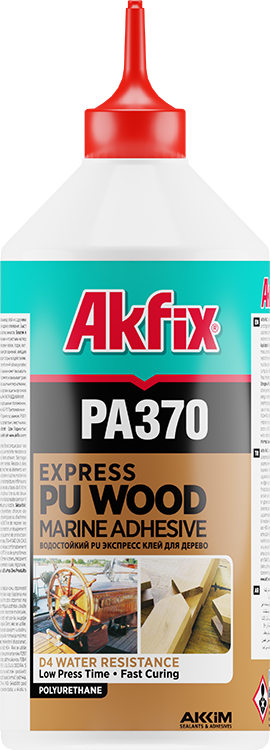
The Versatility of PU Glue in Various Applications
Polyurethane (PU) glue, also known as polyurethane adhesive, is a versatile bonding agent that finds wide-ranging applications across different industries. Its unique properties make it a popular choice for various bonding needs, from woodworking to construction and automotive assembly.
Woodworking
In the woodworking industry, PU glue is valued for its strong bonding strength and ability to withstand varying temperatures and moisture levels. It is commonly used for joining wooden components in furniture making, cabinetry, and carpentry projects. The flexibility of PU glue allows for durable and long-lasting bonds that can withstand the rigors of everyday use.
Construction
PU glue plays a crucial role in the construction sector due to its excellent adhesion properties and resistance to weathering. It is used for bonding materials such as concrete, metal, plastic, and insulation panels. Whether it’s securing structural elements or sealing joints, PU glue provides reliable performance in demanding construction applications.
Automotive Assembly
In the automotive industry, PU glue is utilized for bonding various components together during vehicle assembly. Its ability to bond different materials like metals, plastics, and composites makes it an ideal choice for creating strong and durable bonds in automotive manufacturing. Additionally, PU glue helps improve vehicle safety by enhancing structural integrity.
Conclusion
From woodworking to construction and automotive assembly, PU glue offers a versatile solution for a wide range of bonding requirements. Its strength, durability, and flexibility make it a preferred choice across diverse industries where reliable adhesion is essential for quality outcomes.
Essential Tips for Effective Use and Handling of PU Glue
- Ensure surfaces are clean and dry before applying PU glue.
- Use clamps or other tools to hold the materials together while the glue dries.
- Follow manufacturer’s instructions for proper application and curing time.
- Avoid skin contact with PU glue as it can be difficult to remove.
- Store PU glue in a cool, dry place away from direct sunlight and heat sources.
- Dispose of leftover PU glue properly according to local regulations.
- Test a small amount of PU glue on a hidden area first to ensure compatibility with the materials.
Ensure surfaces are clean and dry before applying PU glue.
Before applying PU glue, it is crucial to ensure that the surfaces to be bonded are clean and dry. Proper surface preparation is essential for achieving a strong and durable bond with PU glue. Any dirt, dust, oil, or moisture on the surfaces can compromise the adhesive’s effectiveness and lead to weak bonding. By cleaning and drying the surfaces thoroughly before application, you can maximize the adhesive strength of PU glue and ensure a reliable bond that withstands various conditions and stresses.
Use clamps or other tools to hold the materials together while the glue dries.
When using PU glue, it is advisable to use clamps or other tools to hold the materials together firmly during the drying process. This ensures proper alignment and tight bonding between the surfaces being glued. By applying pressure with clamps or appropriate tools, you can help create strong and secure bonds that will enhance the effectiveness and longevity of the adhesive joint.
Follow manufacturer’s instructions for proper application and curing time.
It is essential to follow the manufacturer’s instructions for the correct application and curing time of PU glue. Adhering to these guidelines ensures that the glue bonds effectively and achieves optimal strength. Proper application techniques and allowing sufficient curing time are crucial steps in maximizing the performance and durability of PU glue in various applications.
Avoid skin contact with PU glue as it can be difficult to remove.
It is important to avoid skin contact with PU glue as it can be challenging to remove once it adheres to the skin. The strong bonding properties of PU glue can make it difficult to clean off, potentially leading to skin irritation or discomfort. To prevent any unwanted contact, it is advisable to wear protective gloves when handling PU glue and take necessary precautions to ensure a safe working environment.
Store PU glue in a cool, dry place away from direct sunlight and heat sources.
It is important to store PU glue in a cool, dry place away from direct sunlight and heat sources to maintain its quality and effectiveness. Exposure to high temperatures and sunlight can cause the glue to deteriorate faster, leading to potential issues with bonding strength and consistency. By storing PU glue properly, you can ensure that it remains in optimal condition for use whenever needed, prolonging its shelf life and maximizing its performance for various bonding applications.
Dispose of leftover PU glue properly according to local regulations.
It is important to dispose of leftover PU glue properly according to local regulations. Improper disposal of polyurethane glue can harm the environment and pose risks to human health. By following local guidelines for the disposal of PU glue, you can help prevent pollution and ensure that the adhesive is handled in a safe and responsible manner.
Test a small amount of PU glue on a hidden area first to ensure compatibility with the materials.
Before applying polyurethane (PU) glue to a visible area, it is advisable to test a small amount on a hidden area first to ensure compatibility with the materials involved. This precautionary step helps in assessing the adhesive’s performance and potential reactions with different surfaces, ensuring that the bonding process proceeds smoothly without any adverse effects on the materials. By conducting this simple test, users can verify the suitability of PU glue for their specific application and avoid any unexpected issues during the bonding process.