
The Versatile Uses of Polyurethane Foam (PU Foam)
Polyurethane foam, commonly known as PU foam, is a versatile material that finds a wide range of applications across various industries. Its unique properties make it a popular choice for numerous products and purposes.
Insulation
One of the primary uses of PU foam is in insulation. Its excellent thermal insulating properties make it an ideal material for insulating buildings, refrigerators, freezers, and other appliances. PU foam helps in reducing energy consumption by maintaining optimal temperatures.
Furniture
PU foam is extensively used in furniture manufacturing for cushions, mattresses, and upholstery. Its high resilience and comfort make it a preferred choice for sofas, chairs, beds, and other seating arrangements. The durability of PU foam ensures long-lasting comfort.
Automotive Industry
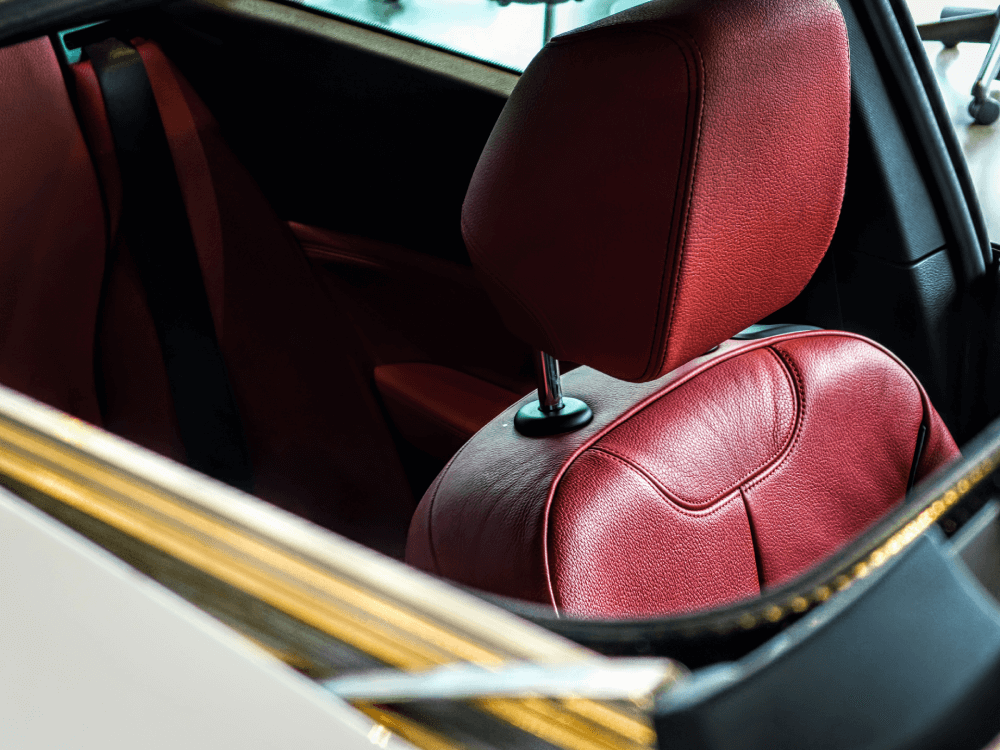
In the automotive sector, PU foam is used for seat cushions, headrests, armrests, and interior trim components. Its lightweight nature contributes to fuel efficiency while providing passengers with a comfortable ride experience. Additionally, PU foam helps in reducing noise and vibrations inside vehicles.
Packaging
PU foam is commonly employed in packaging materials to protect fragile items during transportation. Its shock-absorbing properties help prevent damage to goods by cushioning them from impact. Whether used in electronics packaging or fragile product shipping boxes, PU foam ensures safe delivery.
Medical Applications
In the healthcare sector, PU foam is utilized in medical devices such as wound dressings, orthopedic supports, prosthetics, and wheelchair cushions. Its hypoallergenic properties and ability to conform to body shapes make it suitable for various medical applications requiring comfort and support.
Construction
PU foam plays a crucial role in construction applications such as sealants, adhesives, and concrete stabilization. It serves as an effective sealant against air infiltration and moisture penetration while providing structural support in building foundations and infrastructure projects.
These are just a few examples of the diverse uses of polyurethane foam (PU foam) across different industries. With its versatility, durability, and cost-effectiveness, PU foam continues to be a valuable material driving innovation and enhancing everyday products.
Exploring PU Foam: Uses, Benefits, and Comparisons
- Is PU foam good for sleeping?
- What is the use of PU foam?
- Where can I use PU foam?
- Is PU foam waterproof?
- Is PU foam water proof?
- Why use PU foam?
- How long does PU foam last?
- Which foam is better, PU or HR?
Is PU foam good for sleeping?
Polyurethane foam, commonly known as PU foam, is a popular choice for mattresses and pillows due to its comfort and support properties. PU foam molds to the shape of the body, providing personalized cushioning that can help alleviate pressure points and promote better spinal alignment during sleep. Its resilience ensures long-lasting durability, maintaining its shape over time for consistent support. Additionally, PU foam is hypoallergenic and resistant to dust mites, making it a suitable option for individuals with allergies. Overall, PU foam can be a good choice for sleeping as it offers comfort, support, and a restful night’s sleep.
What is the use of PU foam?
Polyurethane foam (PU foam) serves a multitude of purposes across various industries due to its exceptional properties. The primary use of PU foam is in insulation, where it helps maintain optimal temperatures in buildings, appliances, and refrigeration units, thereby reducing energy consumption. Additionally, PU foam is widely employed in furniture manufacturing for cushions and upholstery, providing comfort and durability to seating arrangements. In the automotive sector, PU foam is utilized for seat cushions and interior components to enhance passenger comfort and reduce noise levels. Its versatility extends to packaging materials for protecting fragile items during transit by cushioning them from impacts. These diverse applications highlight the importance of PU foam as a versatile material contributing to innovation and efficiency in different sectors.
Where can I use PU foam?
Polyurethane foam, commonly known as PU foam, can be used in a wide range of applications across various industries. From insulation in buildings and appliances to cushioning in furniture and automotive components, PU foam offers versatility and reliability. Whether you need to insulate your home, create comfortable seating arrangements, protect fragile items during shipping, or enhance medical devices with cushioning properties, PU foam is a go-to material. Its ability to conform to different shapes and provide excellent thermal insulation makes it a popular choice for diverse purposes. In essence, wherever there is a need for lightweight, durable, and versatile material with excellent cushioning properties, PU foam can find its application.
Is PU foam waterproof?
Polyurethane foam (PU foam) is known for its water-resistant properties, making it a popular choice for various applications where moisture protection is essential. While PU foam itself is not completely waterproof, it has the ability to repel water to some extent due to its closed-cell structure. This feature makes PU foam suitable for use in environments where exposure to moisture is a concern, such as in insulation, marine applications, outdoor furniture, and packaging. However, prolonged exposure to water or immersion may eventually lead to saturation and compromise the material’s performance. It is important to consider the specific requirements of each application when determining the suitability of PU foam for waterproofing purposes.
Is PU foam water proof?
Polyurethane foam (PU foam) is not inherently waterproof but can be formulated to have water-resistant properties. The cellular structure of PU foam can trap water if exposed to moisture over time, leading to potential issues such as mold growth or degradation. However, certain types of PU foams are designed with additives or coatings that enhance their water resistance, making them suitable for applications where exposure to moisture is a concern. It is important to select the appropriate type of PU foam based on the specific requirements of the intended use to ensure optimal performance and durability in wet or damp conditions.
Why use PU foam?
Using polyurethane foam (PU foam) offers a multitude of benefits that make it a preferred choice in various applications. PU foam is known for its exceptional insulation properties, providing energy efficiency by maintaining optimal temperatures in buildings and appliances. Its high resilience and comfort make it ideal for furniture manufacturing, ensuring durability and long-lasting comfort for users. In the automotive industry, PU foam contributes to fuel efficiency, noise reduction, and passenger comfort. Additionally, PU foam’s versatility extends to packaging materials, medical devices, and construction applications due to its shock-absorbing properties and ability to provide support and protection. Overall, the use of PU foam combines performance, durability, and cost-effectiveness across a wide range of industries.
How long does PU foam last?
Polyurethane foam, commonly known as PU foam, is a durable material known for its longevity. The lifespan of PU foam largely depends on factors such as the quality of the foam, its intended use, and the environmental conditions it is exposed to. Generally, high-quality PU foam products can last for several years without significant deterioration. Proper maintenance and care, such as regular cleaning and protection from extreme temperatures or moisture, can help extend the lifespan of PU foam products. Overall, PU foam is designed to provide long-lasting comfort and performance in various applications, making it a reliable choice for insulation, furniture, automotive components, packaging, and more.
Which foam is better, PU or HR?
When comparing PU foam (Polyurethane foam) with HR foam (High Resilience foam), the choice between the two depends on specific requirements and preferences. PU foam is known for its versatility, providing comfort and durability in various applications such as furniture, bedding, automotive seating, and insulation. On the other hand, HR foam is recognized for its superior resilience and bounce-back properties, making it ideal for high-end mattresses and seating that require long-lasting support. Ultimately, the decision between PU and HR foam boils down to the intended use and desired characteristics of the foam product in question.