
The Benefits of Using Polyurethane Coating on Wood
Wood is a versatile and timeless material that adds warmth and beauty to any space. To protect and enhance the natural beauty of wood, many people choose to apply a polyurethane coating. Polyurethane, often referred to as PU, is a durable and versatile material that offers several benefits when used as a protective coating on wood surfaces.
Protection
Polyurethane coating forms a tough protective layer on the surface of wood, shielding it from scratches, stains, moisture, and UV rays. This helps to extend the lifespan of the wood and maintain its original appearance for years to come.
Enhances Appearance
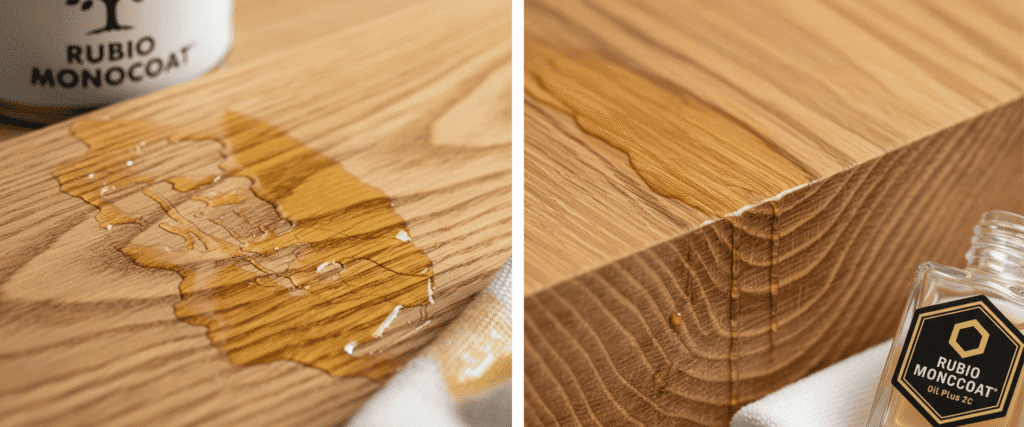
PU coating enhances the natural grain and color of the wood, giving it a rich and glossy finish. It adds depth and luster to the surface, making it visually appealing while highlighting the unique characteristics of the wood.
Easy Maintenance
Wood surfaces coated with polyurethane are easy to clean and maintain. The smooth finish provided by PU coating resists dirt and grime build-up, making it simple to wipe clean with a damp cloth or mild cleaning solution.
Versatility
Polyurethane coatings are available in different finishes such as gloss, semi-gloss, and matte, allowing you to choose the look that best suits your aesthetic preferences. Additionally, PU coatings can be applied to various types of wood surfaces including furniture, flooring, cabinets, doors, and trim.
Durability
One of the key advantages of using polyurethane coating on wood is its exceptional durability. PU coatings are resistant to wear and tear, chemicals, heat, and moisture damage, making them ideal for high-traffic areas or outdoor applications.
In conclusion, applying a polyurethane coating on wood surfaces offers numerous benefits including protection, enhanced appearance, easy maintenance, versatility in finishes, and long-lasting durability. Whether you are refinishing old furniture or protecting newly installed wooden floors, PU coating can help preserve the beauty and integrity of your wood surfaces for years to come.
Top 5 FAQs About Using Polyurethane Coating on Wood
- Can polyurethane paint be used on wood?
- Can you put polyurethane over wood?
- How do you apply PU coating to wood?
- Can we use PU paint on plywood?
- Which is better, PU or Duco?
Can polyurethane paint be used on wood?
Polyurethane paint can indeed be used on wood surfaces to provide a protective and decorative coating. Polyurethane is a versatile material that forms a durable finish when applied to wood, offering protection against scratches, stains, moisture, and UV rays. It enhances the natural beauty of the wood by adding depth and luster to the surface while highlighting its unique grain and color. Polyurethane paint is easy to clean and maintain, making it a popular choice for various wood applications such as furniture, flooring, cabinets, doors, and trim. Its versatility in finishes allows users to achieve different looks ranging from glossy to matte based on their preferences. Overall, using polyurethane paint on wood can help prolong the lifespan of the wood while enhancing its aesthetic appeal.
Can you put polyurethane over wood?
Yes, you can put polyurethane over wood. Polyurethane is commonly used as a protective coating for wood surfaces due to its durability and ability to enhance the natural beauty of the wood. Applying polyurethane over wood helps to create a tough and long-lasting protective layer that shields the wood from scratches, stains, moisture, and UV rays. It also adds a glossy finish that highlights the grain and color of the wood, making it visually appealing. Whether you are refinishing furniture, sealing wooden floors, or protecting other wood surfaces, applying polyurethane can help maintain the integrity and beauty of the wood for years to come.
How do you apply PU coating to wood?
Applying a polyurethane (PU) coating to wood involves several steps to ensure a smooth and durable finish. Firstly, prepare the wood surface by sanding it to remove any existing finish or imperfections. Clean the surface thoroughly to remove dust and debris. Next, apply a coat of wood sealer to enhance adhesion and prevent stain bleed-through. Once the sealer is dry, use a high-quality brush or foam applicator to apply the PU coating in thin, even layers, following the wood grain. Allow each coat to dry completely before lightly sanding with fine-grit sandpaper between coats to achieve a smooth finish. Repeat this process for multiple coats as needed, depending on the desired level of protection and sheen. Finally, allow the PU coating to cure according to the manufacturer’s instructions before using or handling the wood surface.
Can we use PU paint on plywood?
When it comes to using PU paint on plywood, the answer is yes, you can definitely use polyurethane paint on plywood surfaces. Polyurethane paint is a versatile and durable coating that can provide protection and enhance the appearance of plywood. By applying PU paint on plywood, you can create a smooth and glossy finish that not only adds a layer of protection against wear and tear but also highlights the natural beauty of the wood grain. Whether you are working on furniture, cabinets, or other plywood projects, using PU paint can help achieve a professional and long-lasting finish.
Which is better, PU or Duco?
When comparing polyurethane (PU) and Duco coatings for wood surfaces, it ultimately comes down to the specific requirements and preferences of the individual. PU coatings are known for their durability, protection against scratches and stains, and ease of maintenance. They provide a glossy finish that enhances the natural beauty of wood while offering excellent resistance to wear and tear. On the other hand, Duco coatings, which are typically nitrocellulose-based lacquers, offer a different aesthetic with a smooth finish and a wide range of color options. Duco coatings dry quickly and can be easily repaired or refinished. Ultimately, the choice between PU and Duco coatings depends on factors such as desired appearance, level of durability needed, maintenance considerations, and personal preference in terms of finish and color.