
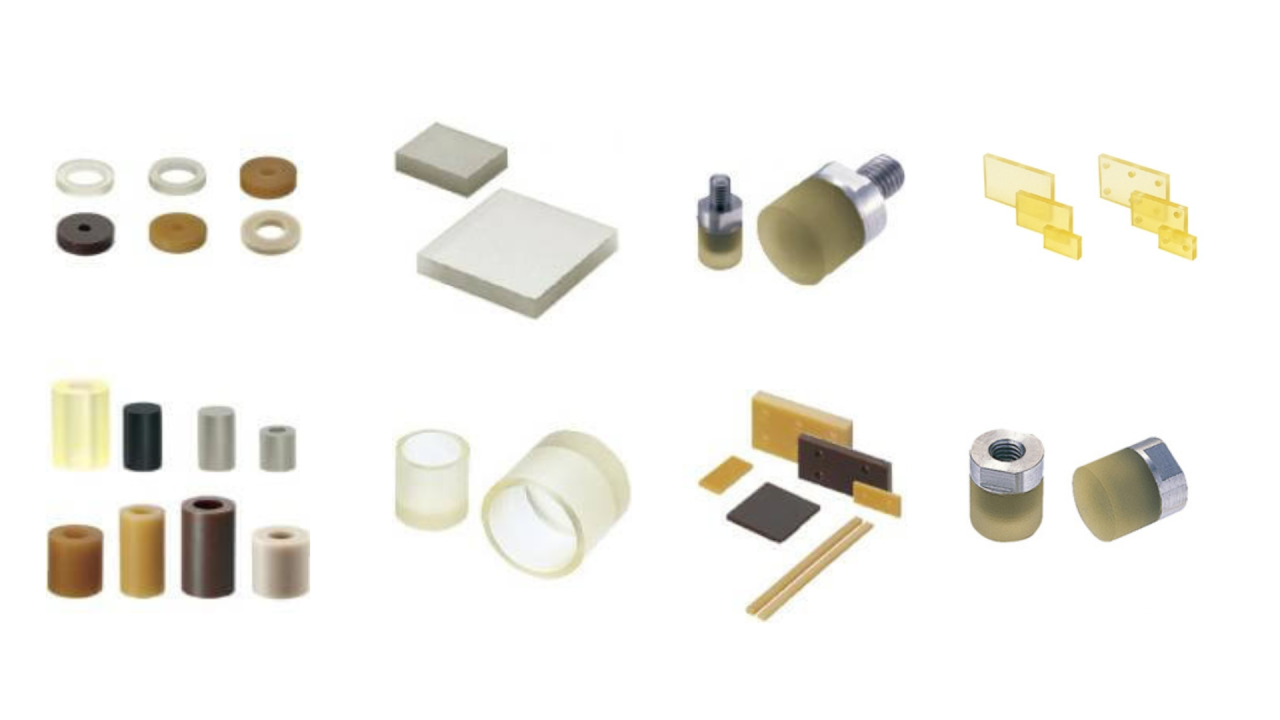
The Versatile World of Polyurethane Material
Polyurethane is a remarkable material that has found its way into countless applications across various industries. From foam insulation in buildings to durable coatings on furniture, polyurethane offers a unique combination of versatility, performance, and sustainability.
Properties of Polyurethane
Polyurethane is known for its exceptional strength, flexibility, and resistance to abrasion and chemicals. It can be formulated to be rigid or flexible, depending on the desired application. Additionally, polyurethane is lightweight and has excellent thermal insulation properties, making it an ideal choice for many different products.
Applications of Polyurethane
The uses of polyurethane are vast and diverse. In the automotive industry, polyurethane is used in car seats, bumpers, and interior components for its durability and comfort. In construction, polyurethane foam is employed for insulation purposes due to its high thermal resistance. Moreover, in the medical field, polyurethane is utilized in catheters, wound dressings, and prosthetic devices for its biocompatibility and flexibility.
Environmental Benefits
Polyurethane is a sustainable material that can contribute to environmental conservation efforts. Its energy-efficient properties help reduce heating and cooling costs in buildings. Furthermore, advancements in recycling technologies have made it possible to reuse polyurethane materials effectively, minimizing waste and promoting a circular economy.
Future Innovations
The future of polyurethane material holds exciting possibilities as researchers continue to explore new formulations and applications. With ongoing developments in bio-based polyols and renewable resources, the industry is moving towards more eco-friendly solutions without compromising on performance.
In conclusion, polyurethane material stands out as a versatile substance with a wide range of benefits that make it indispensable in modern manufacturing processes. Its adaptability, durability, and sustainability make it a key player in shaping the products we use every day.
9 Essential Tips for Safely and Effectively Using Polyurethane Material
- Polyurethane is a versatile material commonly used in various industries.
- It is known for its durability and resistance to abrasion, chemicals, and weathering.
- When working with polyurethane, ensure proper ventilation as some forms may release harmful vapors.
- Polyurethane can be molded into different shapes and sizes, making it suitable for a wide range of applications.
- To maintain polyurethane products, clean them regularly with mild soap and water to prolong their lifespan.
- Avoid exposing polyurethane to extreme temperatures as it may affect the material’s properties.
- If applying polyurethane coatings or finishes, follow the manufacturer’s instructions for best results.
- Consider the specific type of polyurethane needed for your project – rigid foam, flexible foam, elastomers, etc.
- Consult with professionals if you are unsure about working with polyurethane to ensure safety and quality.
Polyurethane is a versatile material commonly used in various industries.
Polyurethane is a versatile material that holds a prominent place in numerous industries due to its wide range of applications. Whether it’s in automotive, construction, furniture, or medical sectors, polyurethane’s adaptability and durability make it a go-to choice for manufacturers seeking high-performance solutions. Its flexibility to be formulated into different forms, such as foam, coatings, and adhesives, allows for endless possibilities in product development and innovation across diverse fields.
It is known for its durability and resistance to abrasion, chemicals, and weathering.
Polyurethane material is highly regarded for its exceptional durability and resistance to various environmental factors. Its ability to withstand abrasion, chemicals, and weathering makes it a preferred choice in many applications where longevity and performance are crucial. Whether used in coatings, sealants, or structural components, polyurethane’s robust nature ensures that products maintain their integrity even under harsh conditions. This resilience contributes to the material’s reputation for reliability and longevity across a wide range of industries.
When working with polyurethane, ensure proper ventilation as some forms may release harmful vapors.
When handling polyurethane material, it is crucial to prioritize adequate ventilation to mitigate the potential release of harmful vapors. Certain forms of polyurethane may emit noxious fumes during application or curing processes, posing health risks if inhaled in enclosed spaces. By ensuring proper ventilation in work areas, individuals can safeguard their well-being and create a safer environment for working with polyurethane materials effectively and responsibly.
Polyurethane can be molded into different shapes and sizes, making it suitable for a wide range of applications.
Polyurethane’s ability to be molded into various shapes and sizes makes it a highly versatile material that is well-suited for a diverse array of applications. This characteristic allows manufacturers to create custom products with precision and detail, catering to specific design requirements in industries such as automotive, construction, furniture, and more. Whether it’s intricate components in machinery or ergonomic seating solutions, the moldability of polyurethane enables the production of innovative and functional items that meet the needs of different sectors effectively.
To maintain polyurethane products, clean them regularly with mild soap and water to prolong their lifespan.
To ensure the longevity of polyurethane products, it is recommended to clean them regularly using a gentle solution of mild soap and water. This simple maintenance routine helps to remove dirt, dust, and grime that can accumulate over time, preserving the appearance and quality of the polyurethane material. By incorporating this practice into your cleaning regimen, you can extend the lifespan of your polyurethane products and keep them looking fresh and well-maintained for years to come.
Avoid exposing polyurethane to extreme temperatures as it may affect the material’s properties.
It is advisable to avoid subjecting polyurethane material to extreme temperatures, as doing so can have a detrimental impact on the material’s properties. Extreme heat or cold can cause changes in the polyurethane’s flexibility, strength, and overall performance. By maintaining a stable temperature environment for polyurethane products, you can ensure their longevity and effectiveness in various applications.
If applying polyurethane coatings or finishes, follow the manufacturer’s instructions for best results.
When applying polyurethane coatings or finishes, it is essential to adhere to the manufacturer’s instructions to achieve optimal results. Following the recommended guidelines ensures that the product is used correctly, leading to a durable and high-quality finish. Manufacturers provide specific instructions on application methods, drying times, and other crucial factors that can significantly impact the outcome of the coating or finish. By following these instructions diligently, users can maximize the performance and longevity of their polyurethane applications.
Consider the specific type of polyurethane needed for your project – rigid foam, flexible foam, elastomers, etc.
When working on a project involving polyurethane material, it is crucial to consider the specific type of polyurethane required based on the project’s needs. Whether it is rigid foam for insulation, flexible foam for cushioning, or elastomers for impact resistance, choosing the right formulation is essential to ensure optimal performance and durability. Each type of polyurethane offers distinct properties that cater to different applications, so selecting the appropriate variant will help achieve the desired results efficiently and effectively.
Consult with professionals if you are unsure about working with polyurethane to ensure safety and quality.
When working with polyurethane material, it is advisable to seek guidance from professionals if you have any uncertainties. Consulting with experts can help ensure that you handle the material safely and maintain high quality standards in your work. Professionals can provide valuable insights, best practices, and recommendations to help you navigate any challenges or concerns that may arise during your interaction with polyurethane, ultimately promoting a safe and successful outcome in your endeavors.