
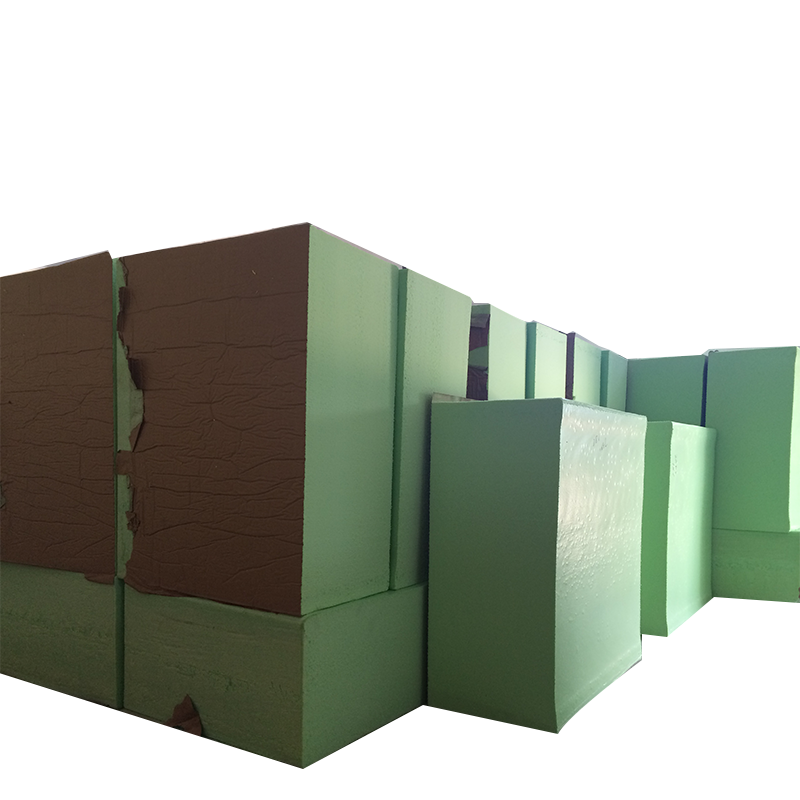
The Advantages of Polyurethane High Density
Polyurethane high density foam is a versatile material that offers a wide range of benefits across various industries. Known for its durability, resilience, and versatility, polyurethane high density foam is a popular choice for applications requiring strength and support.
Key Features of Polyurethane High Density Foam:
- Durability: Polyurethane high density foam is known for its long-lasting durability, making it ideal for use in high-traffic areas or heavy-duty applications.
- Support: The high density of polyurethane foam provides excellent support and cushioning, making it suitable for furniture, mattresses, and seating products.
- Resilience: Polyurethane high density foam retains its shape and firmness over time, ensuring consistent performance even with repeated use.
- Versatility: This material can be molded into various shapes and sizes to meet specific design requirements, making it a versatile choice for different applications.
Applications of Polyurethane High Density Foam:
Polyurethane high density foam finds widespread use in industries such as furniture manufacturing, automotive seating, medical equipment, packaging, insulation, and more. Its unique combination of strength, support, and durability makes it an ideal material for a diverse range of products.
Environmental Considerations:
While polyurethane foam offers many advantages in terms of performance and versatility, it is important to consider the environmental impact of its production and disposal. Efforts are being made to develop sustainable practices within the industry to minimize waste and promote recycling of polyurethane materials.
Conclusion:
Polyurethane high density foam stands out as a reliable and versatile material that meets the demands of modern industries. With its exceptional durability, support, resilience, and versatility, polyurethane high density foam continues to be a preferred choice for various applications where strength and performance are paramount.
Understanding Polyurethane High Density Foam: Key Features, Applications, Durability, Environmental Impact, and Recycling
- What are the key features of polyurethane high density foam?
- Where is polyurethane high density foam commonly used?
- How does the durability of polyurethane high density foam compare to other materials?
- What are the environmental considerations associated with polyurethane high density foam?
- How can polyurethane high density foam be recycled or disposed of responsibly?
What are the key features of polyurethane high density foam?
Polyurethane high density foam is characterized by several key features that make it a highly sought-after material in various industries. The standout qualities of polyurethane high density foam include its exceptional durability, providing long-lasting performance in high-traffic areas and heavy-duty applications. Additionally, its superior support and cushioning properties make it an ideal choice for furniture, mattresses, and seating products where comfort is essential. The resilience of polyurethane high density foam ensures that it maintains its shape and firmness over time, offering consistent performance even with frequent use. Its versatility allows for customization into different shapes and sizes to meet specific design requirements, making it a versatile solution for a wide range of applications.
Where is polyurethane high density foam commonly used?
Polyurethane high density foam is commonly used in a variety of applications across different industries due to its exceptional qualities. One of the most common uses of polyurethane high density foam is in furniture manufacturing, where it provides durable support and comfort for items such as sofas, chairs, and mattresses. Additionally, this type of foam is widely utilized in automotive seating to enhance driver and passenger comfort during long journeys. In the medical field, polyurethane high density foam is often found in equipment such as patient positioning pads and wheelchair cushions to ensure optimal support and pressure relief. Its versatility also extends to packaging materials, insulation products, and various other industrial applications where strength, resilience, and longevity are essential.
How does the durability of polyurethane high density foam compare to other materials?
When comparing the durability of polyurethane high density foam to other materials, polyurethane high density foam often stands out for its exceptional longevity and resilience. Unlike some traditional materials that may compress or deteriorate over time, polyurethane high density foam maintains its shape and firmness, making it a reliable choice for applications requiring long-term support and performance. Its ability to withstand repeated use without losing its structural integrity sets it apart from many other materials, making it a preferred option in industries where durability is a key consideration.
What are the environmental considerations associated with polyurethane high density foam?
When considering polyurethane high density foam, it is important to address the environmental considerations associated with its production and disposal. The manufacturing process of polyurethane foam can involve the use of chemicals and energy, leading to potential environmental impact. Additionally, the disposal of polyurethane foam products can contribute to waste management challenges due to its non-biodegradable nature. Efforts are being made within the industry to develop more sustainable practices, such as recycling initiatives and the use of eco-friendly materials in production. By promoting responsible manufacturing processes and exploring recycling options, the environmental footprint of polyurethane high density foam can be minimized for a more sustainable future.
How can polyurethane high density foam be recycled or disposed of responsibly?
Responsibly Recycling and Disposing of Polyurethane High Density Foam
One common question surrounding polyurethane high density foam is how it can be recycled or disposed of responsibly. Recycling polyurethane foam involves breaking down the material into smaller components that can be used to create new products or materials. Some methods include mechanical recycling, chemical recycling, and energy recovery through incineration. Additionally, efforts are being made to explore innovative technologies that can efficiently recycle polyurethane foam without compromising its quality or performance. Proper disposal of polyurethane foam involves following local regulations for waste management and ensuring that it is handled in an environmentally friendly manner to minimize its impact on the ecosystem.