
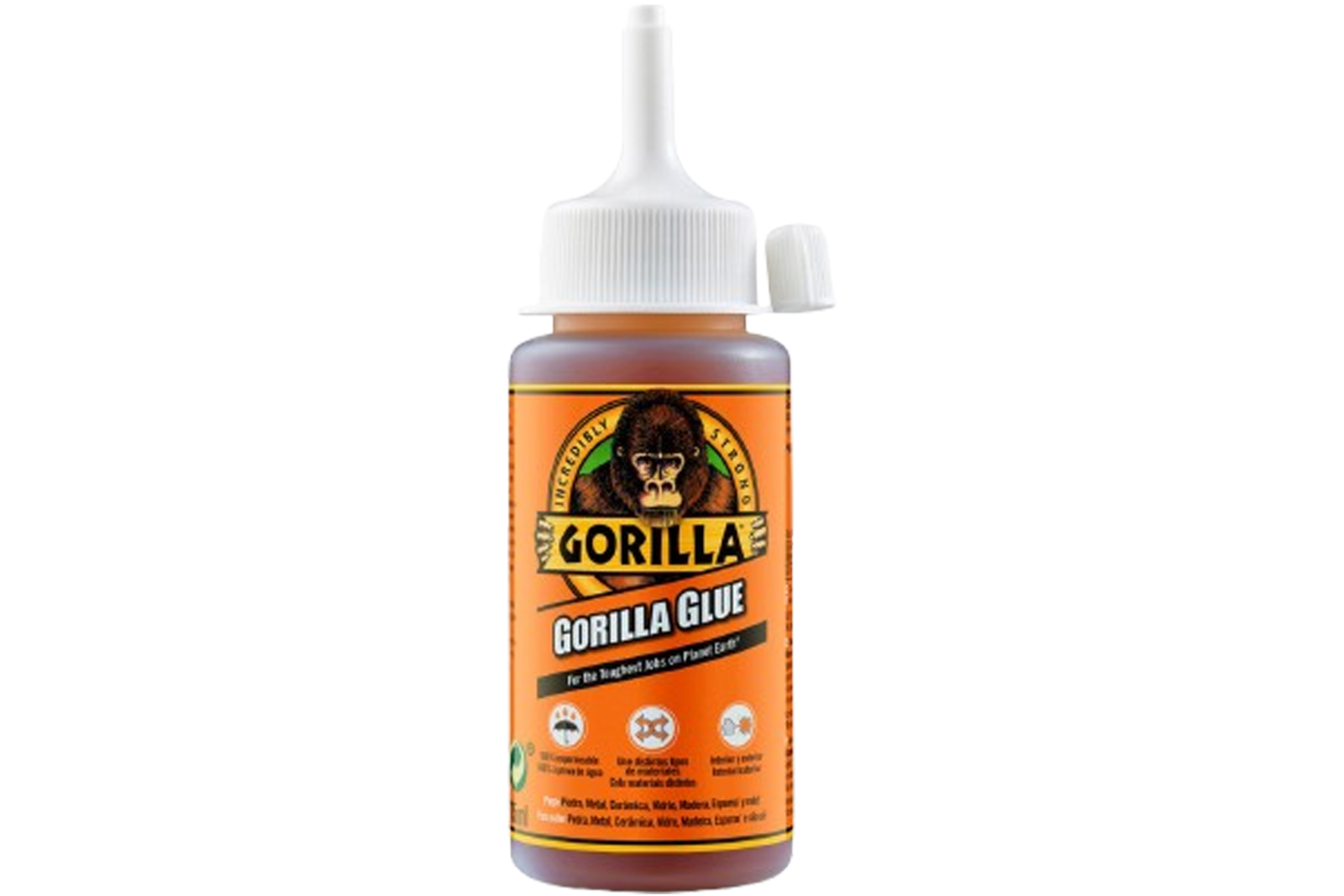
The Versatile Power of Polyurethane Glue
Polyurethane glue, also known as PU glue, is a powerful adhesive that has gained popularity for its versatility and strength in bonding various materials. This type of glue is widely used in woodworking, construction, automotive, and other industries due to its exceptional bonding properties.
Key Features of Polyurethane Glue:
- Waterproof: Polyurethane glue creates a waterproof bond, making it ideal for outdoor applications or projects exposed to moisture.
- Strong Bond: It forms a strong and durable bond that can withstand heavy loads and vibrations.
- Gap-Filling: Polyurethane glue has excellent gap-filling capabilities, allowing it to bond uneven or rough surfaces effectively.
- Temperature Resistance: This glue can withstand a wide range of temperatures, making it suitable for both hot and cold environments.
Applications of Polyurethane Glue:
Polyurethane glue is commonly used in various applications, including:
- Woodworking: It is ideal for bonding wood pieces together, creating strong and long-lasting joints.
- Construction: In construction projects, polyurethane glue is used for bonding materials such as metal, plastic, stone, and concrete.
- Automotive: The automotive industry utilizes polyurethane glue for assembling parts and components due to its strength and durability.
Tips for Using Polyurethane Glue Effectively:
To ensure optimal results when using polyurethane glue, consider the following tips:
- Clean Surfaces: Make sure the surfaces to be bonded are clean and free from dust or grease for better adhesion.
- Apply Pressure: Apply sufficient pressure on the glued parts to ensure a strong bond formation.
- Curing Time: Allow enough curing time as per the manufacturer’s instructions before subjecting the bond to stress or load.
In conclusion, polyurethane glue is a versatile adhesive with exceptional bonding properties that make it a preferred choice in various industries. Whether you are working on woodworking projects at home or assembling components in a manufacturing setting, polyurethane glue offers reliable adhesion and durability for your bonding needs.
6 Essential Tips for Effectively Using Polyurethane Glue
- Ensure surfaces are clean and free of dust before applying polyurethane glue.
- Use clamps or weights to hold the glued materials together firmly while the glue sets.
- Follow manufacturer’s instructions regarding application temperature and curing time.
- Wear gloves to protect your skin from coming into direct contact with the glue.
- Store polyurethane glue in a cool, dry place away from direct sunlight to prolong its shelf life.
- Avoid inhaling fumes by using polyurethane glue in a well-ventilated area.
Ensure surfaces are clean and free of dust before applying polyurethane glue.
It is essential to ensure that surfaces are clean and free of dust before applying polyurethane glue. Proper surface preparation plays a crucial role in achieving a strong and durable bond. Dust and debris can interfere with the adhesion process, leading to a weaker bond that may fail over time. By cleaning the surfaces thoroughly before applying the glue, you can ensure optimal contact between the adhesive and the materials being bonded, resulting in a reliable and long-lasting bond.
Use clamps or weights to hold the glued materials together firmly while the glue sets.
To ensure a strong and secure bond when using polyurethane glue, it is advisable to use clamps or weights to hold the glued materials together firmly while the glue sets. Applying pressure on the bonded surfaces helps in creating a tight connection and promotes better adhesion. By using clamps or weights during the curing process, you can prevent any movement or separation of the materials, resulting in a more reliable and durable bond. This simple tip can significantly enhance the effectiveness of polyurethane glue in various applications, ensuring successful bonding outcomes.
Follow manufacturer’s instructions regarding application temperature and curing time.
It is crucial to follow the manufacturer’s instructions regarding the application temperature and curing time when using polyurethane glue. Adhering to these guidelines ensures that the glue sets and cures properly, leading to a strong and durable bond between the materials being joined. Applying the glue at the recommended temperature range and allowing sufficient curing time as specified by the manufacturer will help achieve optimal bonding results, ensuring the longevity and reliability of the adhesive bond.
Wear gloves to protect your skin from coming into direct contact with the glue.
It is advisable to wear gloves while working with polyurethane glue to protect your skin from direct contact with the adhesive. Polyurethane glue can be harsh on the skin, and wearing gloves serves as a preventive measure to avoid any potential skin irritation or allergic reactions. By wearing gloves, you create a barrier between the glue and your skin, ensuring a safer and more comfortable working experience while handling this powerful adhesive.
Store polyurethane glue in a cool, dry place away from direct sunlight to prolong its shelf life.
To prolong the shelf life of polyurethane glue, it is important to store it in a cool, dry place away from direct sunlight. Exposure to heat and sunlight can accelerate the degradation of the adhesive properties of polyurethane glue. By storing it in a suitable environment, you can ensure that the glue remains effective and ready for use whenever needed.
Avoid inhaling fumes by using polyurethane glue in a well-ventilated area.
It is important to avoid inhaling fumes when using polyurethane glue by working in a well-ventilated area. Proper ventilation helps to disperse any potentially harmful vapors that may be released during the application and curing process of the glue. By ensuring good airflow in the workspace, you can minimize the risk of respiratory irritation and exposure to volatile compounds present in the glue, promoting a safer working environment for yourself and others around you.