
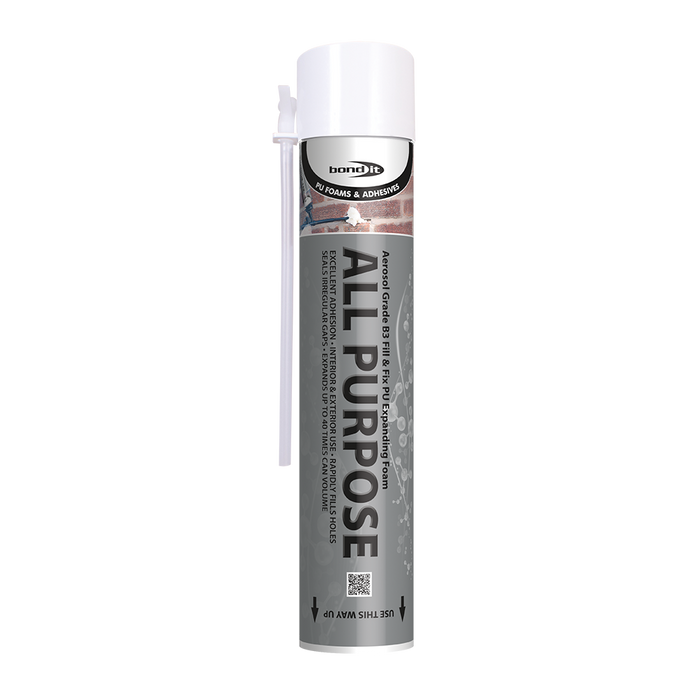
The Versatile Uses of Polyurethane Foam Spray
Polyurethane foam spray, a versatile material known for its excellent insulating properties and ease of application, has a wide range of uses across various industries. From construction to automotive, this innovative product offers numerous benefits and applications.
Construction Industry
In the construction industry, polyurethane foam spray is commonly used for insulation purposes. It provides an effective barrier against heat loss, moisture infiltration, and air leakage, making buildings more energy-efficient and comfortable. Additionally, it can be used for filling gaps, cracks, and voids in walls, roofs, and foundations.
Automotive Sector
Within the automotive sector, polyurethane foam spray plays a crucial role in vehicle manufacturing. It is used for soundproofing and vibration dampening in car interiors to enhance comfort for passengers. Moreover, it is utilized in the production of lightweight components that contribute to fuel efficiency.
Marine Applications
For marine applications, polyurethane foam spray is valued for its buoyancy properties. It is often used in boat building to provide flotation and insulation. The material’s ability to resist water absorption makes it ideal for marine environments where exposure to moisture is common.
Art and Sculpture
In the art world, polyurethane foam spray has found creative uses in sculpture-making. Artists appreciate its lightweight nature and ease of shaping into intricate forms. The material’s versatility allows for the creation of visually striking artworks that can withstand various environmental conditions.
Agricultural Sector
In agriculture, polyurethane foam spray is utilized for insulation in farm buildings such as barns and storage facilities. It helps maintain stable temperatures inside structures, protecting livestock and stored crops from extreme weather conditions. Additionally, it can be used for sealing gaps to prevent pests from entering buildings.
Overall, the diverse uses of polyurethane foam spray highlight its significance across different industries. Its ability to provide insulation, soundproofing, buoyancy, and creative possibilities makes it a valuable material with endless applications.
Top 8 Benefits of Polyurethane Foam Spray: Insulation, Versatility, and More
- Excellent insulating properties for energy efficiency
- Easy application in hard-to-reach areas for complete coverage
- Versatile material suitable for various industries and applications
- Effective barrier against moisture infiltration and air leakage
- Lightweight nature that does not add significant weight to structures or products
- Soundproofing capabilities for enhanced acoustic performance
- Buoyancy properties ideal for marine and flotation applications
- Durable and long-lasting, providing value over time
7 Drawbacks of Using Polyurethane Foam Spray: Costs, Environmental Concerns, and Health Risks
- High initial cost compared to traditional insulation materials
- Requires proper ventilation during application due to off-gassing of chemicals
- Difficult to remove once cured, making repairs or modifications challenging
- May expand more than anticipated, leading to wastage and potential mess
- Not biodegradable and can contribute to environmental pollution if not disposed of properly
- Sensitive to temperature and humidity conditions during application, affecting performance
- Potential skin and respiratory irritation risks for individuals exposed to uncured foam
Excellent insulating properties for energy efficiency
Polyurethane foam spray offers a significant advantage with its excellent insulating properties, making it a preferred choice for enhancing energy efficiency in various applications. By creating a strong thermal barrier, polyurethane foam spray helps to minimize heat loss and air leakage, thereby reducing the need for excessive heating or cooling. This not only leads to lower energy consumption but also contributes to cost savings and environmental sustainability. Whether used in buildings, vehicles, or other structures, the superior insulation provided by polyurethane foam spray plays a key role in promoting energy efficiency and creating more comfortable living and working environments.
Easy application in hard-to-reach areas for complete coverage
Polyurethane foam spray offers the distinct advantage of easy application in hard-to-reach areas, ensuring complete coverage and insulation. Its ability to expand and conform to irregular surfaces allows it to fill gaps, cracks, and voids that traditional insulation materials may struggle to reach. This feature makes polyurethane foam spray an ideal choice for achieving a seamless and airtight seal in spaces where other methods may fall short, ultimately enhancing energy efficiency and reducing heat loss.
Versatile material suitable for various industries and applications
Polyurethane foam spray stands out as a versatile material that is well-suited for a wide range of industries and applications. Its adaptability and diverse properties make it a popular choice for sectors such as construction, automotive, marine, art, agriculture, and more. Whether it is used for insulation, soundproofing, buoyancy, or creative endeavors, polyurethane foam spray proves to be an invaluable resource due to its ability to meet the specific needs of different industries effectively. Its versatility allows for innovative solutions and efficient performance across various applications, showcasing its importance in driving progress and advancement in multiple sectors.
Effective barrier against moisture infiltration and air leakage
Polyurethane foam spray stands out as a highly effective solution for creating a barrier against moisture infiltration and air leakage in various applications. Its ability to expand and fill gaps, cracks, and voids ensures a seamless seal that prevents unwanted moisture from seeping in and air from escaping. This property not only helps in maintaining optimal indoor humidity levels but also enhances energy efficiency by reducing heat loss or gain through leaks. Whether used in construction for insulation purposes or in other industries for sealing purposes, the exceptional barrier properties of polyurethane foam spray make it a reliable choice for addressing issues related to moisture and air infiltration.
Lightweight nature that does not add significant weight to structures or products
Polyurethane foam spray offers the advantage of being lightweight, making it an ideal choice for applications where adding significant weight to structures or products is not desirable. This characteristic allows for easy handling and installation, minimizing structural stress and ensuring efficient use in various industries. Whether used for insulation in buildings, soundproofing in vehicles, or creative projects in art, the lightweight nature of polyurethane foam spray enhances its versatility and usability without compromising on performance.
Soundproofing capabilities for enhanced acoustic performance
Polyurethane foam spray offers exceptional soundproofing capabilities, making it a preferred choice for enhancing acoustic performance in various settings. Whether used in construction projects, automotive applications, or recreational spaces, the material effectively absorbs and dampens sound vibrations, reducing noise levels and creating a more peaceful environment. Its ability to block out unwanted noise ensures improved comfort and privacy, making it an ideal solution for achieving superior acoustic performance in both residential and commercial buildings.
Buoyancy properties ideal for marine and flotation applications
Polyurethane foam spray’s buoyancy properties make it an ideal choice for marine and flotation applications. Its ability to resist water absorption and maintain buoyancy even in harsh marine environments ensures reliable performance in boat building and other water-related projects. Whether used for creating flotation devices or insulating marine structures, polyurethane foam spray provides a lightweight yet durable solution that enhances safety and efficiency in aquatic settings.
Durable and long-lasting, providing value over time
Polyurethane foam spray stands out for its exceptional durability and long-lasting performance, making it a cost-effective choice that delivers value over time. Whether used in construction, automotive applications, marine projects, or artistic endeavors, the longevity of polyurethane foam spray ensures that structures, components, or artworks maintain their integrity and functionality for extended periods. This durability factor not only reduces the need for frequent replacements but also contributes to overall cost savings, making it a reliable investment with lasting benefits.
High initial cost compared to traditional insulation materials
One significant drawback of using polyurethane foam spray for insulation is its high initial cost when compared to traditional insulation materials. While polyurethane foam spray offers superior thermal performance and energy efficiency, the upfront investment required for its installation can be a deterrent for some consumers. The initial cost of purchasing the material and hiring professionals for application may exceed the budget constraints of individuals or businesses seeking more affordable insulation solutions. Despite its long-term benefits, such as reduced energy consumption and lower utility bills, the high initial cost of polyurethane foam spray remains a limiting factor for widespread adoption in certain construction projects.
Requires proper ventilation during application due to off-gassing of chemicals
Proper ventilation is essential during the application of polyurethane foam spray due to the off-gassing of chemicals. The release of volatile organic compounds (VOCs) during the curing process can pose health risks if inhaled in enclosed spaces. Adequate ventilation helps to minimize exposure to these chemicals, ensuring a safer working environment for applicators and occupants. It is important to follow recommended safety guidelines and use protective equipment when working with polyurethane foam spray to mitigate the potential con of off-gassing.
Difficult to remove once cured, making repairs or modifications challenging
Once polyurethane foam spray has cured, one significant drawback is its challenging removal process, which can make repairs or modifications a daunting task. The strong adhesive properties of cured polyurethane foam make it difficult to remove without causing damage to the surrounding surfaces. This limitation can pose a challenge for individuals or professionals who need to access or alter areas where the foam has been applied. Careful planning and precision are required when working with cured polyurethane foam to avoid complications and ensure successful repairs or modifications.
May expand more than anticipated, leading to wastage and potential mess
Polyurethane foam spray, while versatile and effective for various applications, poses a con in that it may expand more than anticipated during application. This excessive expansion can result in wastage of the material and potentially create a mess in the work area. Improper estimation of the required amount of foam spray or inadequate control over its expansion can lead to inefficiencies and cleanup challenges. Careful planning and precise application techniques are essential to minimize the risk of over-expansion and ensure optimal utilization of polyurethane foam spray while avoiding unnecessary waste and mess.
Not biodegradable and can contribute to environmental pollution if not disposed of properly
Polyurethane foam spray, while offering numerous benefits in various industries, poses a significant environmental concern due to its non-biodegradable nature. If not disposed of properly, this material can contribute to environmental pollution. Improper disposal of polyurethane foam spray can lead to long-lasting waste accumulation in landfills and water bodies, posing a threat to ecosystems and wildlife. It is crucial for users and manufacturers of polyurethane foam spray to prioritize responsible disposal practices and explore sustainable alternatives to minimize its impact on the environment.
Sensitive to temperature and humidity conditions during application, affecting performance
Polyurethane foam spray, despite its many benefits, has a notable drawback in its sensitivity to temperature and humidity conditions during application, which can impact its performance. Fluctuations in these environmental factors can affect the curing process of the foam, leading to issues such as improper expansion, poor adhesion, or uneven distribution. This sensitivity requires careful monitoring and control of the application environment to ensure optimal results. Failure to address temperature and humidity concerns can result in subpar insulation properties and structural integrity, highlighting the importance of proper handling and application techniques when using polyurethane foam spray.
Potential skin and respiratory irritation risks for individuals exposed to uncured foam
One significant con associated with the use of polyurethane foam spray is the potential risk of skin and respiratory irritation for individuals exposed to uncured foam. The chemicals present in uncured foam can cause skin sensitization, leading to allergic reactions or dermatitis upon contact. In addition, inhaling the volatile organic compounds (VOCs) emitted during the curing process can irritate the respiratory system, causing symptoms such as coughing, wheezing, or shortness of breath. Proper safety measures, including personal protective equipment and adequate ventilation, are essential to minimize the health risks posed by uncured polyurethane foam spray.