
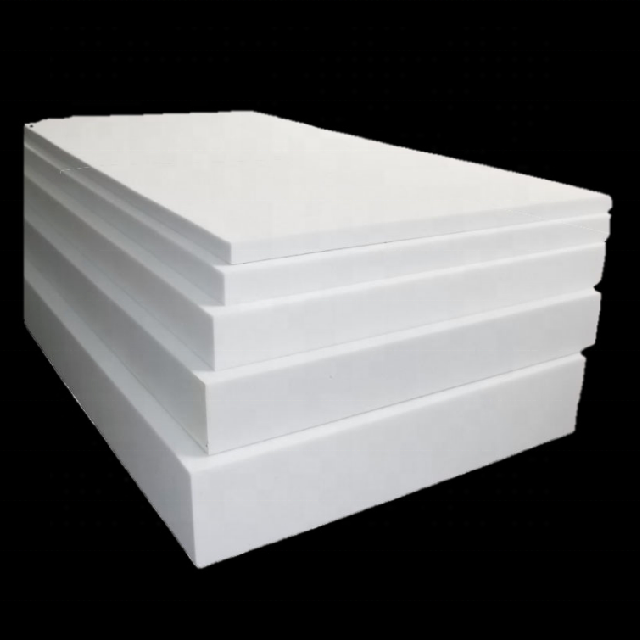
The Versatile Applications of Polyurethane Foam Sheets
Polyurethane foam sheets are a popular material known for their versatility and wide range of applications across various industries. These sheets are made from polyurethane, a polymer that can be tailored to meet specific requirements, making it an ideal choice for many different uses.
Insulation
One of the most common uses of polyurethane foam sheets is insulation. These sheets have excellent thermal insulation properties, making them perfect for insulating buildings, refrigeration units, and vehicles. The closed-cell structure of polyurethane foam sheets helps in minimizing heat transfer, thus reducing energy costs.
Cushioning and Padding
Due to their soft yet durable nature, polyurethane foam sheets are often used for cushioning and padding purposes. They are found in furniture upholstery, mattresses, pillows, and even protective gear such as helmets and knee pads. The ability of polyurethane foam to absorb impact makes it a preferred choice for safety applications.
Sound Absorption
Polyurethane foam sheets are also effective in absorbing sound waves, making them suitable for acoustic insulation in buildings, studios, theaters, and automotive interiors. The porous structure of the foam helps in reducing noise levels by absorbing and dampening sound vibrations.
Packaging
In the packaging industry, polyurethane foam sheets are used as protective packaging material to safeguard fragile items during shipping and handling. The cushioning properties of the foam help prevent damage from impact or vibration, ensuring that products reach their destination intact.
Floatation Devices
Another interesting application of polyurethane foam sheets is in floatation devices such as life jackets and buoys. The buoyant nature of the foam ensures that these devices provide adequate support and safety in water-related activities.
Overall, polyurethane foam sheets offer a combination of lightweight construction, durability, flexibility, and thermal properties that make them a versatile material with numerous practical uses across different industries.
7 Essential Tips for Handling and Maintaining Polyurethane Foam Sheets
- Store polyurethane foam sheets in a cool, dry place to prevent damage.
- Use a sharp knife or blade to cut the foam sheets for clean and precise cuts.
- Avoid exposing polyurethane foam sheets to direct sunlight as it can cause discoloration and degradation.
- Consider wearing gloves and a mask when handling polyurethane foam to protect your skin and lungs from irritation.
- Choose the right density of foam sheets for your project to ensure proper support and durability.
- Seal the edges of cut foam sheets with tape or adhesive to prevent fraying and maintain a neat appearance.
- Test any adhesives or paints on a small, inconspicuous area of the foam sheet first to check for compatibility.
Store polyurethane foam sheets in a cool, dry place to prevent damage.
Storing polyurethane foam sheets in a cool, dry place is essential to prevent damage and maintain their quality over time. Exposure to high temperatures or humidity can cause the foam sheets to deteriorate, lose their shape, or develop mold. By keeping them in a cool and dry environment, you can ensure that the foam sheets retain their structural integrity and performance characteristics for longer periods. Proper storage not only protects the material but also ensures that it remains suitable for its intended applications effectively.
Use a sharp knife or blade to cut the foam sheets for clean and precise cuts.
For clean and precise cuts when working with polyurethane foam sheets, it is recommended to use a sharp knife or blade. The sharpness of the tool ensures that the foam is cut smoothly without causing jagged edges or uneven surfaces. By using a sharp knife, you can achieve accurate cuts that fit your specific requirements, whether it is for insulation, cushioning, packaging, or any other application. This simple tip not only enhances the quality of your work but also makes the cutting process more efficient and effective.
Avoid exposing polyurethane foam sheets to direct sunlight as it can cause discoloration and degradation.
It is advisable to avoid exposing polyurethane foam sheets to direct sunlight as prolonged exposure can lead to discoloration and degradation of the material. Ultraviolet (UV) rays from the sun can break down the molecular structure of the foam, causing it to become brittle and lose its original appearance. To maintain the quality and longevity of polyurethane foam sheets, it is recommended to store them in a shaded area or use protective coverings when they are exposed to sunlight for extended periods.
Consider wearing gloves and a mask when handling polyurethane foam to protect your skin and lungs from irritation.
When working with polyurethane foam sheets, it is advisable to wear gloves and a mask as a safety precaution. This simple measure helps protect your skin from potential irritation caused by contact with the chemicals in the foam. Additionally, wearing a mask safeguards your lungs from inhaling any particles that may be released during handling, reducing the risk of respiratory discomfort. Prioritizing safety gear while working with polyurethane foam ensures a safer and more comfortable experience, promoting a healthier work environment overall.
Choose the right density of foam sheets for your project to ensure proper support and durability.
When working with polyurethane foam sheets, it is crucial to select the appropriate density to match the requirements of your project. Choosing the right density ensures that the foam sheets provide adequate support and durability. Higher density foam sheets offer greater firmness and strength, making them suitable for applications where durability and long-term support are essential. On the other hand, lower density foam sheets are softer and more flexible, ideal for cushioning and comfort purposes. By considering the specific needs of your project and selecting the correct density of foam sheets, you can ensure optimal performance and longevity in your application.
Seal the edges of cut foam sheets with tape or adhesive to prevent fraying and maintain a neat appearance.
To ensure the longevity and neat appearance of cut polyurethane foam sheets, it is advisable to seal their edges with tape or adhesive. This simple yet effective tip helps prevent fraying and maintains a clean finish. By sealing the edges, you not only enhance the durability of the foam sheets but also create a professional look for your projects. This extra step can make a significant difference in the overall quality and aesthetics of your foam sheet applications.
Test any adhesives or paints on a small, inconspicuous area of the foam sheet first to check for compatibility.
It is recommended to test any adhesives or paints on a small, inconspicuous area of the polyurethane foam sheet before applying them to the entire surface. This precaution allows you to check for compatibility and ensure that the adhesive or paint does not cause any adverse reactions such as discoloration, warping, or degradation of the foam. By testing on a small area first, you can determine the suitability of the product without risking damage to the entire foam sheet.