
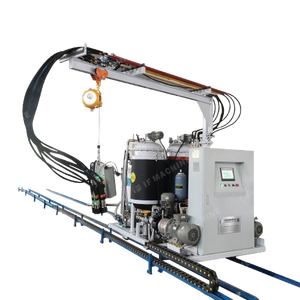
The Role of Polyurethane Foam Producers in the Industry
Polyurethane foam producers play a crucial role in the manufacturing sector, providing a versatile and widely-used material for various applications. Polyurethane foam is known for its exceptional properties such as durability, flexibility, and insulation capabilities, making it a popular choice in industries ranging from construction to automotive to furniture.
Key Responsibilities of Polyurethane Foam Producers
- Research and Development: Producers are constantly innovating to improve the performance and sustainability of polyurethane foam products. This involves investing in research and development to create new formulations and technologies.
- Manufacturing: Polyurethane foam producers are responsible for the efficient production of foam materials according to specific requirements and standards. This includes managing raw materials, processing equipment, and quality control measures.
- Customization: Producers often work closely with clients to customize polyurethane foam products based on their unique needs. This may involve adjusting density, firmness, or other properties to meet specific application requirements.
- Sustainability: With increasing focus on environmental impact, polyurethane foam producers are exploring sustainable practices such as using bio-based raw materials, improving energy efficiency in production processes, and recycling waste materials.
Impact on Various Industries
The products manufactured by polyurethane foam producers have a significant impact on diverse industries:
- Construction: Polyurethane foam is used for insulation in buildings, providing energy efficiency and comfort.
- Automotive: In vehicles, polyurethane foam contributes to lightweighting, noise reduction, and enhanced safety features.
- Furniture: The comfort and durability of furniture items are often enhanced by the use of polyurethane foam cushions and padding.
The Future of Polyurethane Foam Production
As technology advances and consumer demands evolve, polyurethane foam producers will continue to adapt to meet changing needs. Embracing sustainability practices, investing in research for new applications, and fostering collaborations across industries will be key factors shaping the future of this dynamic sector.
Key Insights into Polyurethane Foam Production: FAQs for Understanding Manufacturers and Their Practices
- What are the key properties of polyurethane foam produced by manufacturers?
- How do polyurethane foam producers ensure quality control in their manufacturing processes?
- What industries commonly use polyurethane foam products manufactured by producers?
- Are there different types of polyurethane foam available from producers, and how do they differ?
- What factors should businesses consider when choosing a polyurethane foam producer for their needs?
- How do polyurethane foam producers contribute to sustainability and environmental responsibility?
- Can polyurethane foam producers customize products to meet specific requirements or applications?
- What trends or innovations are currently shaping the practices of polyurethane foam producers in the industry?
What are the key properties of polyurethane foam produced by manufacturers?
Polyurethane foam produced by manufacturers possesses a range of key properties that make it a versatile and sought-after material in various industries. Some of the essential properties include excellent cushioning and comfort, high resilience, durability, and thermal insulation capabilities. Additionally, polyurethane foam is known for its lightweight nature, making it ideal for applications where weight is a concern. Manufacturers also have the flexibility to customize the density, firmness, and other characteristics of polyurethane foam to suit specific needs, further enhancing its utility across different sectors.
How do polyurethane foam producers ensure quality control in their manufacturing processes?
Ensuring Quality Control in Polyurethane Foam Production
Polyurethane foam producers employ rigorous quality control measures throughout their manufacturing processes to ensure the consistent high quality of their products. This includes strict monitoring of raw materials, precise mixing ratios, and thorough testing at various stages of production. Producers utilize advanced equipment and technologies to maintain optimal conditions for foam formation, curing, and finishing. Additionally, regular inspections and audits are conducted to identify any deviations from quality standards and implement corrective actions promptly. By adhering to stringent quality control protocols, polyurethane foam producers uphold product reliability, performance, and customer satisfaction.
What industries commonly use polyurethane foam products manufactured by producers?
Polyurethane foam products manufactured by producers find widespread use across various industries due to their versatile properties. Common industries that heavily rely on polyurethane foam include construction, automotive, furniture, packaging, and bedding. In the construction sector, polyurethane foam is utilized for insulation purposes in buildings, providing energy efficiency and thermal comfort. Automotive manufacturers incorporate polyurethane foam for lightweighting components, noise reduction, and improving vehicle safety features. The furniture industry benefits from the comfort and durability of polyurethane foam cushions and padding in various seating and bedding products. Additionally, polyurethane foam is extensively used in packaging applications for cushioning fragile goods during transportation. Overall, the adaptability and performance characteristics of polyurethane foam make it a sought-after material across a wide range of industries.
Are there different types of polyurethane foam available from producers, and how do they differ?
Yes, there are different types of polyurethane foam available from producers, each with unique characteristics and applications. The main types include flexible foam, rigid foam, and spray foam. Flexible foam is known for its softness and elasticity, making it ideal for cushioning in furniture and bedding. Rigid foam, on the other hand, is lightweight and provides excellent insulation properties, commonly used in construction for thermal efficiency. Spray foam offers versatility in application by expanding to fill gaps and crevices, serving as an effective sealant and insulator. The differences lie in their composition, density, flexibility, and thermal properties, allowing producers to cater to a wide range of industries with specific needs.
What factors should businesses consider when choosing a polyurethane foam producer for their needs?
When selecting a polyurethane foam producer for their requirements, businesses should consider several key factors to ensure they make the right choice. Firstly, assessing the producer’s experience and reputation in the industry is crucial to gauge their reliability and quality standards. Secondly, businesses should evaluate the range of products and customization options offered by the producer to ensure they can meet specific application needs. Additionally, considering factors such as production capacity, lead times, pricing competitiveness, and sustainability practices can help businesses make an informed decision that aligns with their goals and values.
How do polyurethane foam producers contribute to sustainability and environmental responsibility?
Polyurethane foam producers contribute to sustainability and environmental responsibility through various initiatives and practices. One key way is by exploring the use of bio-based raw materials in the production process, reducing reliance on fossil fuels and lowering carbon footprint. Additionally, producers are investing in energy-efficient manufacturing processes to minimize resource consumption and emissions. Recycling programs for waste materials generated during production are also being implemented to reduce landfill waste and promote circular economy practices. By adopting these sustainable approaches, polyurethane foam producers are actively working towards reducing environmental impact and ensuring a more eco-friendly future for the industry.
Can polyurethane foam producers customize products to meet specific requirements or applications?
Polyurethane foam producers have the capability to customize their products to meet specific requirements or applications. By working closely with clients, producers can adjust various properties of the foam such as density, firmness, and resilience to tailor the product for a particular use. This customization process allows for flexibility in meeting diverse industry needs, whether it involves creating specialized insulation materials for construction projects, developing cushioning solutions for automotive applications, or designing comfort-enhancing components for furniture manufacturing. The ability of polyurethane foam producers to offer tailored solutions underscores their commitment to delivering high-quality products that align with the unique demands of each customer.
What trends or innovations are currently shaping the practices of polyurethane foam producers in the industry?
In the polyurethane foam industry, several trends and innovations are currently shaping the practices of producers. One significant trend is the increasing focus on sustainability, with producers exploring eco-friendly raw materials, energy-efficient manufacturing processes, and recycling initiatives to reduce environmental impact. Another key innovation is the development of high-performance foam formulations that offer improved durability, comfort, and insulation properties. Additionally, digitalization and automation technologies are being adopted to enhance production efficiency and quality control measures. Collaboration with other industries to explore new applications for polyurethane foam is also becoming more common, driving innovation and expanding market opportunities for producers in this dynamic sector.