
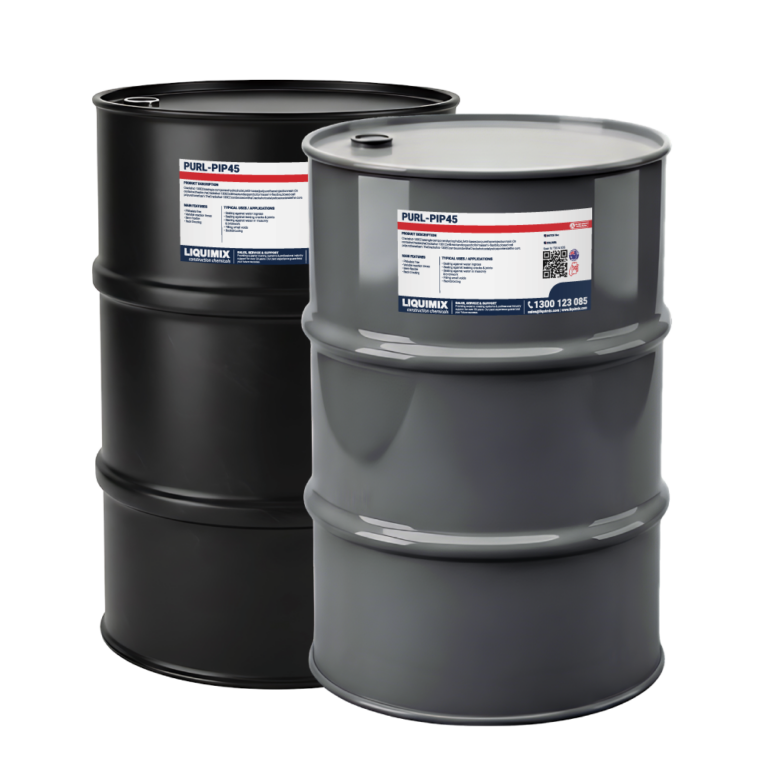
The Versatile World of Polyurethane Foam Liquid
Polyurethane foam liquid is a versatile material that has found its way into various industries and applications due to its unique properties and benefits. This liquid substance, when processed and cured, transforms into a lightweight, durable, and insulating foam that is used in a wide range of products.
Applications in Construction
In the construction industry, polyurethane foam liquid is commonly used as insulation material for buildings. Its high thermal resistance properties help in maintaining optimal indoor temperatures while reducing energy consumption. Additionally, it can be sprayed or injected into cavities, creating a seamless barrier against air infiltration and moisture.
Automotive Industry
Automobile manufacturers utilize polyurethane foam liquid for various components such as seats, headrests, armrests, and bumpers. The material’s ability to conform to different shapes and provide cushioning makes it ideal for enhancing comfort and safety in vehicles.
Furniture Manufacturing
In the furniture industry, polyurethane foam liquid is a popular choice for producing comfortable and supportive cushions for sofas, chairs, mattresses, and other seating products. Its durability and resilience ensure long-lasting comfort for consumers.
Benefits of Polyurethane Foam Liquid
- Lightweight yet strong
- Excellent thermal insulation properties
- Customizable density and firmness
- Durable and long-lasting
- Resistant to moisture and chemicals
Overall, polyurethane foam liquid continues to be a preferred material across industries due to its versatility, performance characteristics, and sustainability features. As technology advances further, we can expect even more innovative applications of this remarkable material in the future.
Frequently Asked Questions About Liquid Polyurethane Foam: Uses, Application, Composition, and Pricing
- What is polyurethane foam used for?
- How do you use liquid polyurethane?
- What chemicals are used in PU foam?
- What is the mix ratio for PU foam?
- What is the price of liquid polyurethane foam per kg?
- What is the price of liquid PU foam?
- What is polyurethane liquid used for?
What is polyurethane foam used for?
Polyurethane foam is widely used for a variety of applications across industries due to its versatile nature and beneficial properties. In construction, it serves as an excellent insulation material, helping to regulate indoor temperatures and reduce energy consumption. The automotive sector utilizes polyurethane foam for components like seats and bumpers, enhancing comfort and safety in vehicles. Additionally, in furniture manufacturing, polyurethane foam is a popular choice for producing comfortable cushions that offer durability and support. Its ability to conform to different shapes, lightweight yet strong structure, and resistance to moisture make polyurethane foam a preferred material for a range of applications.
How do you use liquid polyurethane?
Liquid polyurethane is commonly used in various industries for a wide range of applications. To use liquid polyurethane effectively, the process typically involves mixing the liquid components in precise ratios to initiate a chemical reaction that leads to the formation of foam. This foam can then be poured, sprayed, or injected into molds or onto surfaces to create insulation, cushioning, sealing, or structural components. Proper handling and application techniques are crucial to ensure the desired properties and performance of the final product. Whether it is for construction, automotive, furniture, or other applications, understanding the specific requirements and following recommended guidelines for using liquid polyurethane is essential for achieving optimal results.
What chemicals are used in PU foam?
Polyurethane foam is a versatile material that is commonly used in various industries for its insulating and cushioning properties. The chemicals used in the production of PU foam typically include polyols, isocyanates, catalysts, surfactants, and blowing agents. Polyols and isocyanates are the main components that react to form the polyurethane polymer, while catalysts help control the reaction rate. Surfactants are added to stabilize the foam structure, and blowing agents create bubbles within the material to give it a cellular structure. It is important to note that different formulations of PU foam may use varying combinations of these chemicals to achieve specific properties such as density, firmness, and fire resistance.
What is the mix ratio for PU foam?
Understanding the mix ratio for polyurethane foam is crucial for achieving optimal results in various applications. The mix ratio typically refers to the proportion of two components, commonly referred to as Part A and Part B, that need to be combined to initiate the foaming process. This ratio can vary depending on the specific type of polyurethane foam being used and the desired properties of the final product. It is essential to follow the manufacturer’s instructions carefully to ensure that the correct mix ratio is maintained, as deviations can impact the foam’s expansion, curing time, strength, and overall performance. By adhering to the recommended mix ratio, users can maximize the effectiveness and quality of their polyurethane foam applications.
What is the price of liquid polyurethane foam per kg?
The price of liquid polyurethane foam per kilogram can vary depending on several factors such as the quality of the material, quantity purchased, supplier pricing policies, and market demand. It is important to contact specific suppliers or manufacturers directly to inquire about current pricing and any potential discounts based on bulk orders or long-term partnerships. Additionally, factors like customization options, delivery charges, and additional services may also impact the final cost of liquid polyurethane foam per kilogram.
What is the price of liquid PU foam?
When inquiring about the price of liquid polyurethane foam (PU foam), it is important to consider that the cost can vary depending on several factors such as the quality of the material, quantity needed, supplier pricing, and market fluctuations. Additionally, customized formulations or specialty applications may impact the overall price. It is recommended to reach out to reputable suppliers or manufacturers for accurate pricing information tailored to specific requirements. Conducting a thorough evaluation of different options and considering long-term benefits can help in making an informed decision regarding the investment in liquid PU foam.
What is polyurethane liquid used for?
Polyurethane liquid is a versatile material with a wide range of applications across various industries. One common use of polyurethane liquid is as an insulation material in construction, where it helps in creating energy-efficient buildings by providing thermal resistance and sealing against air infiltration. In the automotive sector, polyurethane liquid is utilized for manufacturing components such as seats, armrests, and bumpers due to its ability to conform to different shapes and provide cushioning. Additionally, in furniture manufacturing, polyurethane liquid is a popular choice for producing comfortable cushions for sofas, chairs, and mattresses. Its customizable density, durability, and resistance to moisture make it a preferred material for enhancing comfort and longevity in consumer products.