
The Benefits of Polyurethane Floor Coating
Polyurethane floor coating is a popular choice for many residential, commercial, and industrial spaces due to its numerous benefits. This versatile coating provides a durable and protective layer that enhances the appearance and longevity of floors.
Durability
Polyurethane floor coatings are known for their exceptional durability, making them ideal for high-traffic areas. They can withstand heavy foot traffic, impact from equipment, and exposure to various chemicals without losing their protective properties.
Easy Maintenance
One of the key advantages of polyurethane floor coatings is their low maintenance requirements. These coatings are resistant to stains, scratches, and abrasions, making them easy to clean and maintain. Regular sweeping and mopping are usually all that’s needed to keep polyurethane-coated floors looking pristine.
Chemical Resistance
Polyurethane floor coatings offer excellent resistance to a wide range of chemicals, including oils, solvents, and acids. This makes them suitable for use in industrial settings where spills are common or in facilities where chemical exposure is a concern.
Aesthetic Appeal
In addition to their functional benefits, polyurethane floor coatings come in a variety of finishes that can enhance the aesthetic appeal of any space. Whether you prefer a glossy or matte finish, polyurethane coatings can add a touch of elegance to your floors.
Longevity
When properly applied and maintained, polyurethane floor coatings can last for many years without needing frequent reapplication. This longevity not only saves you money in the long run but also minimizes downtime for maintenance or repairs.
Overall, polyurethane floor coating is an excellent choice for anyone looking to protect and enhance the appearance of their floors. Its durability, easy maintenance, chemical resistance, aesthetic appeal, and longevity make it a top contender in the world of floor coatings.
Top 7 FAQs About Polyurethane Floor Coating: Benefits, Application, and Comparisons
- What is better, epoxy or polyurethane?
- What is the use of polyurethane floor coating?
- What are the disadvantages of PU flooring?
- Is polyurethane coating waterproof?
- How many coats of polyurethane on floor?
- How do you apply polyurethane to a floor?
- Is polyurethane good for flooring?
What is better, epoxy or polyurethane?
One of the frequently asked questions regarding floor coatings is whether epoxy or polyurethane is better. While both epoxy and polyurethane coatings offer unique benefits, the choice between them ultimately depends on the specific requirements of the project. Epoxy coatings are known for their exceptional adhesion and chemical resistance, making them suitable for industrial settings with high chemical exposure. On the other hand, polyurethane coatings are prized for their durability, easy maintenance, and aesthetic appeal, making them a popular choice for commercial and residential spaces. Ultimately, it is essential to consider factors such as the type of environment, level of foot traffic, desired finish, and maintenance needs when deciding between epoxy and polyurethane floor coatings.
What is the use of polyurethane floor coating?
Polyurethane floor coating serves a variety of purposes, making it a popular choice for many applications. The primary use of polyurethane floor coating is to provide a protective layer that enhances the durability and longevity of floors. It acts as a shield against wear and tear, stains, scratches, and chemical damage, making it ideal for high-traffic areas in residential, commercial, and industrial settings. Additionally, polyurethane floor coatings come in different finishes that can improve the aesthetic appeal of floors while offering easy maintenance and long-lasting protection.
What are the disadvantages of PU flooring?
Disadvantages of Polyurethane Floor Coating
While polyurethane floor coatings offer numerous benefits, it’s important to consider some potential disadvantages as well. One common concern with PU flooring is its initial installation cost, which can be higher compared to other types of floor coatings. Additionally, polyurethane coatings may require professional application, adding to the overall expense.
Another drawback of PU flooring is its susceptibility to UV exposure. Over time, prolonged exposure to sunlight can cause the coating to yellow or degrade, especially in outdoor or high-light areas. Regular maintenance and reapplication may be necessary to combat this issue.
Furthermore, polyurethane floor coatings can be sensitive to temperature fluctuations and moisture levels. Extreme heat or humidity can affect the performance and longevity of the coating, leading to potential issues such as bubbling or peeling.
Despite these disadvantages, proper care and maintenance can help mitigate these concerns and ensure the longevity and performance of polyurethane floor coatings in various settings.
Is polyurethane coating waterproof?
One of the frequently asked questions about polyurethane floor coating is whether it is waterproof. Polyurethane coatings are indeed water-resistant, providing a protective barrier against moisture and spills. While polyurethane itself is not completely impervious to water penetration, it does offer a level of waterproofing that helps prevent water damage to floors. Properly applied and maintained polyurethane coatings can effectively repel water, making them a suitable choice for areas prone to spills or high humidity. It is important to note that excessive exposure to standing water or prolonged submersion may still cause damage over time, so it’s essential to address any water-related issues promptly to maintain the integrity of the coating.
How many coats of polyurethane on floor?
When it comes to applying polyurethane on floors, the number of coats required can vary depending on several factors such as the type of polyurethane used, the condition of the floor, and the desired level of protection. In general, it is recommended to apply at least two coats of polyurethane for optimal durability and coverage. Multiple coats help ensure that the floor is adequately protected against wear and tear, scratches, and stains. However, some professionals may recommend applying three or more coats for added resilience and longevity. It is essential to follow the manufacturer’s instructions and consult with a flooring expert to determine the appropriate number of coats needed for your specific flooring project.
How do you apply polyurethane to a floor?
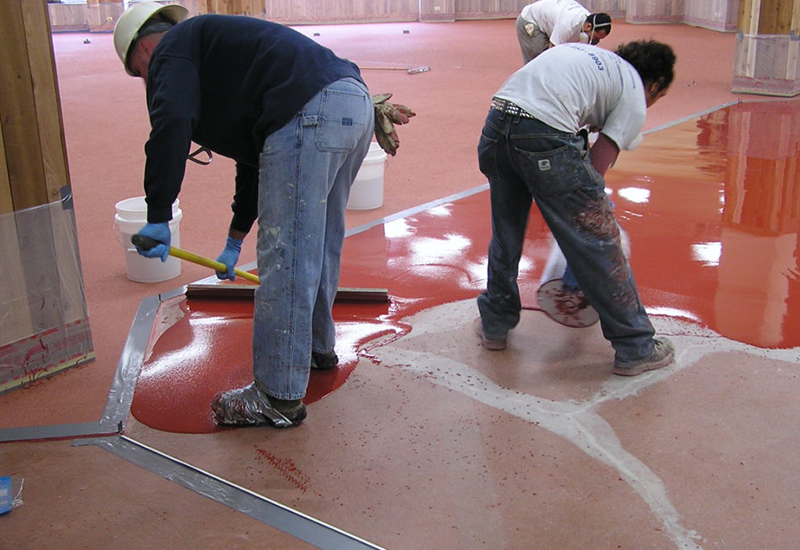
To apply polyurethane to a floor, it is essential to follow a systematic process to ensure a smooth and durable finish. First, prepare the floor by cleaning it thoroughly and ensuring it is free of dust, dirt, and debris. Next, sand the floor to create a smooth surface for better adhesion of the polyurethane. Apply a primer if needed to enhance adhesion and promote even coverage. Then, using a brush, roller, or sprayer, apply the polyurethane in thin, even coats, following the manufacturer’s instructions regarding drying times and application techniques. Allow each coat to dry completely before applying the next one. Finally, once the final coat has dried, inspect the floor for any imperfections and make any necessary touch-ups for a professional-looking finish.
Is polyurethane good for flooring?
Yes, polyurethane is an excellent choice for flooring due to its many beneficial properties. Polyurethane floor coatings offer exceptional durability, making them suitable for high-traffic areas where floors are subjected to heavy use. They are also easy to maintain, resistant to stains and chemicals, and come in a variety of finishes to enhance the aesthetic appeal of any space. With proper application and maintenance, polyurethane coatings can provide long-lasting protection for floors, making them a popular and reliable option for both residential and commercial settings.