
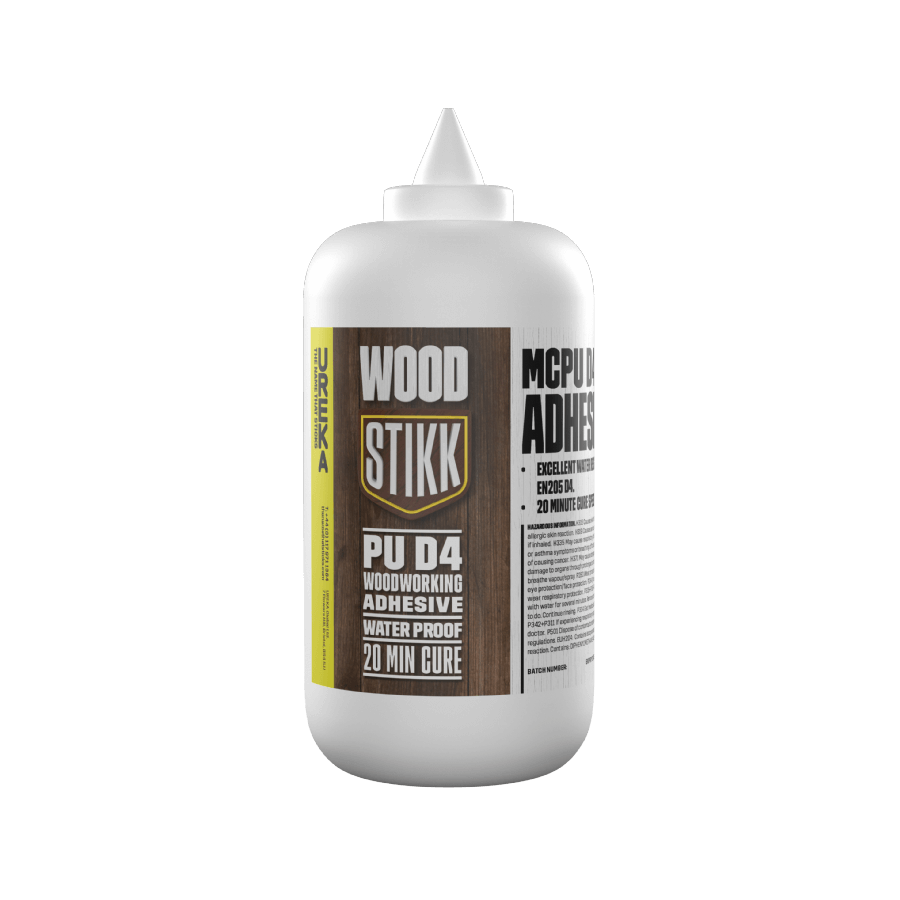
The Versatile World of Polyurethane Adhesive Glue
Polyurethane adhesive glue is a remarkable product that has revolutionized the way materials are bonded together in various industries. Known for its exceptional strength, flexibility, and durability, polyurethane adhesive glue offers a wide range of applications that make it a popular choice among manufacturers and DIY enthusiasts alike.
Strength and Durability
One of the key advantages of polyurethane adhesive glue is its superior bonding strength. Whether it’s bonding wood, metal, plastic, or composite materials, polyurethane adhesive glue creates a strong and long-lasting bond that can withstand heavy loads and extreme conditions. This makes it ideal for structural applications where reliability is paramount.
Flexibility
Unlike traditional adhesives that may become brittle over time, polyurethane adhesive glue remains flexible even after curing. This flexibility allows the bonded materials to move and expand without compromising the bond integrity. As a result, polyurethane adhesive glue is commonly used in applications where movement or vibration is expected.
Water and Chemical Resistance
Polyurethane adhesive glue exhibits excellent resistance to water, chemicals, and temperature fluctuations. This makes it suitable for outdoor applications or environments where exposure to moisture or harsh chemicals is a concern. Whether it’s in construction, automotive, marine, or aerospace industries, polyurethane adhesive glue provides reliable performance under challenging conditions.
Versatility
From bonding automotive components to assembling furniture to repairing shoes, the versatility of polyurethane adhesive glue knows no bounds. Its ability to bond different materials together with ease and efficiency has made it a go-to solution for various bonding needs across industries.
Conclusion
In conclusion, polyurethane adhesive glue stands out as a versatile and reliable bonding solution that offers exceptional strength, flexibility, durability, and resistance to environmental factors. With its wide range of applications and superior performance characteristics, polyurethane adhesive glue continues to be a preferred choice for professionals seeking high-quality bonding solutions.
Understanding Polyurethane Adhesive Glue: Top 9 Frequently Asked Questions
- What is polyurethane adhesive glue?
- How does polyurethane adhesive glue work?
- What are the advantages of using polyurethane adhesive glue?
- Is polyurethane adhesive glue suitable for outdoor applications?
- Can polyurethane adhesive glue bond different types of materials?
- Does polyurethane adhesive glue require special surface preparation before application?
- Is polyurethane adhesive glue resistant to water and chemicals?
- What are common applications of polyurethane adhesive glue?
- How long does it take for polyurethane adhesive glue to cure?
What is polyurethane adhesive glue?
Polyurethane adhesive glue is a versatile and high-performance bonding agent that is widely used across various industries for its exceptional strength, flexibility, and durability. Composed of polyurethane polymers, this adhesive forms a strong bond between different materials such as wood, metal, plastic, and composites. Its ability to withstand heavy loads, temperature variations, moisture exposure, and chemical contact makes it an ideal choice for structural applications as well as everyday bonding needs. With its reliable performance and wide range of applications, polyurethane adhesive glue continues to be a popular choice for professionals and DIY enthusiasts seeking a robust bonding solution.
How does polyurethane adhesive glue work?
Polyurethane adhesive glue works through a chemical reaction that occurs when the adhesive is applied between two surfaces to be bonded. Upon contact with moisture in the air or on the substrate, polyurethane adhesive glue undergoes a curing process known as polymerization. This process causes the adhesive to harden and form a strong bond between the materials. The flexibility and durability of polyurethane adhesive glue are attributed to its ability to maintain a certain level of elasticity even after curing, allowing it to withstand movement, vibrations, and environmental factors. This unique mechanism of action makes polyurethane adhesive glue an effective choice for a wide range of bonding applications across various industries.
What are the advantages of using polyurethane adhesive glue?
Polyurethane adhesive glue offers a multitude of advantages that make it a preferred choice for bonding applications across various industries. Its exceptional strength ensures durable and long-lasting bonds, providing reliability in structural applications. The flexibility of polyurethane adhesive glue allows bonded materials to move without compromising the bond integrity, making it suitable for dynamic environments. Additionally, its water and chemical resistance make it ideal for use in challenging conditions where exposure to moisture or harsh substances is a concern. The versatility of polyurethane adhesive glue enables it to bond different materials effectively, making it a versatile solution for a wide range of bonding needs.
Is polyurethane adhesive glue suitable for outdoor applications?
Polyurethane adhesive glue is highly suitable for outdoor applications due to its excellent resistance to water, chemicals, and temperature fluctuations. Whether it’s bonding outdoor furniture, marine equipment, or automotive components exposed to the elements, polyurethane adhesive glue provides reliable performance under challenging outdoor conditions. Its ability to maintain bond integrity in the face of moisture, UV exposure, and varying temperatures makes it a preferred choice for outdoor bonding needs where durability and longevity are essential.
Can polyurethane adhesive glue bond different types of materials?
Polyurethane adhesive glue is renowned for its ability to bond different types of materials effectively. Whether it’s wood, metal, plastic, glass, or composite materials, polyurethane adhesive glue forms strong and durable bonds that can withstand various stresses. Its versatility in bonding diverse materials makes it a popular choice for a wide range of applications across industries. The flexibility and reliability of polyurethane adhesive glue ensure that it can create secure bonds between materials with different properties, making it a go-to solution for professionals and DIY enthusiasts seeking a reliable bonding agent.
Does polyurethane adhesive glue require special surface preparation before application?
When using polyurethane adhesive glue, proper surface preparation is essential to ensure a strong and lasting bond. Unlike some other adhesives, polyurethane adhesive glue typically requires special surface preparation before application. This may include cleaning the surfaces to be bonded to remove any dirt, grease, or contaminants that could interfere with adhesion. Additionally, roughening or priming the surfaces may be necessary to improve the bonding strength of the polyurethane adhesive glue. By following the recommended surface preparation guidelines, users can maximize the effectiveness of polyurethane adhesive glue and achieve reliable bonding results for their projects.
Is polyurethane adhesive glue resistant to water and chemicals?
Polyurethane adhesive glue is known for its excellent resistance to water and chemicals. This feature makes it a popular choice for applications where exposure to moisture or harsh chemical substances is a concern. Whether used in outdoor settings, marine environments, or industrial facilities, polyurethane adhesive glue provides reliable bonding performance even in challenging conditions. Its ability to maintain bond integrity in the presence of water and various chemicals makes it a trusted option for projects that require durability and long-lasting adhesion.
What are common applications of polyurethane adhesive glue?
Polyurethane adhesive glue finds widespread use across various industries due to its versatility and reliability. Common applications of polyurethane adhesive glue include bonding wood in carpentry and furniture making, assembling automotive components in the automotive industry, securing insulation materials in construction, repairing shoes and leather goods in the fashion industry, and even in DIY projects for household repairs. Its exceptional bonding strength, flexibility, and resistance to water and chemicals make polyurethane adhesive glue a go-to choice for professionals and enthusiasts seeking durable and long-lasting bonds across a wide range of materials and applications.
How long does it take for polyurethane adhesive glue to cure?
Polyurethane adhesive glue typically takes anywhere from 24 to 48 hours to fully cure, depending on factors such as temperature, humidity, and the specific formulation of the glue. While the glue may set within a few hours and achieve sufficient strength for handling, it is recommended to allow ample time for complete curing to ensure optimal bonding performance. Patience is key when working with polyurethane adhesive glue, as allowing it adequate time to cure will result in a strong and durable bond that meets your expectations for reliability and longevity.