
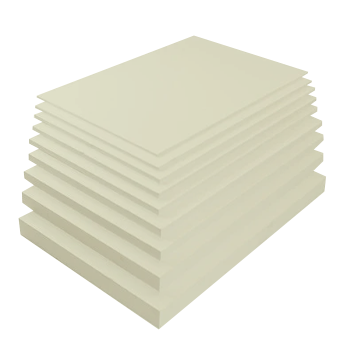
The Versatile Material: Polyisocyanurate
Polyisocyanurate, often referred to as PIR, is a versatile and widely used material in the construction industry. It belongs to the family of rigid foam insulation materials and is known for its excellent thermal performance and fire resistance properties.
One of the key advantages of polyisocyanurate is its high thermal resistance, making it an ideal choice for insulating buildings and structures. Its closed-cell structure helps in minimizing heat transfer, thus reducing energy consumption and improving overall energy efficiency.
In addition to its thermal properties, polyisocyanurate also exhibits impressive fire resistance characteristics. It has a high ignition temperature and low flame spread rating, making it a preferred material for applications where fire safety is a priority.
Another notable feature of polyisocyanurate is its strength and durability. It can withstand harsh weather conditions, moisture exposure, and physical impacts, making it suitable for both interior and exterior insulation purposes.
Due to its versatility and performance benefits, polyisocyanurate is commonly used in roofing systems, wall insulation, refrigeration units, and other construction applications. Its lightweight nature and ease of installation further contribute to its popularity among builders and contractors.
As the demand for energy-efficient and sustainable building solutions continues to rise, polyisocyanurate remains a go-to choice for meeting these requirements. Its combination of thermal efficiency, fire safety, durability, and ease of use makes it a valuable asset in the construction industry.
Understanding Polyisocyanurate: Uses, Structure, Safety, and Environmental Impact
- What is the difference between polyurethane foam and polyisocyanurate foam?
- What is polyisocyanurate used for?
- What are the disadvantages of polyisocyanurate?
- What is the structure of polyisocyanurate?
- Is polyisocyanurate insulation safe?
- What is polyisocyanurate insulation used for?
- Is polyisocyanurate environmentally friendly?
What is the difference between polyurethane foam and polyisocyanurate foam?
One frequently asked question in the realm of insulation materials is the difference between polyurethane foam and polyisocyanurate foam. While both belong to the same family of rigid foam insulation, they have distinct characteristics that set them apart. Polyurethane foam is a general term that encompasses various types of foam insulation, including polyisocyanurate. Polyisocyanurate foam, on the other hand, is a specific type of polyurethane foam that contains isocyanurate in its chemical structure. The key difference lies in their thermal performance and fire resistance properties, with polyisocyanurate typically offering higher thermal resistance and better fire safety ratings compared to traditional polyurethane foams. Builders and contractors often choose between the two based on specific project requirements related to energy efficiency, fire protection, and building code compliance.
What is polyisocyanurate used for?
Polyisocyanurate is commonly used as a versatile insulation material in the construction industry. Its primary purpose is to provide thermal insulation for buildings and structures, helping to reduce heat transfer and improve energy efficiency. Polyisocyanurate is often used in roofing systems, wall insulation, refrigeration units, and other applications where thermal performance is crucial. Additionally, its excellent fire resistance properties make it a preferred choice for projects where safety standards are paramount. The durability, lightweight nature, and ease of installation of polyisocyanurate further contribute to its widespread use in various construction projects.
What are the disadvantages of polyisocyanurate?
While polyisocyanurate offers numerous benefits, it is important to consider its potential disadvantages as well. One common drawback of polyisocyanurate insulation is its higher cost compared to other insulation materials. The initial investment may be higher, but the long-term energy savings and performance benefits often outweigh this downside. Another concern is the environmental impact of polyisocyanurate production, as it involves the use of chemicals that can be harmful if not handled properly. Additionally, polyisocyanurate may not be suitable for applications where high temperatures or direct exposure to sunlight are present, as it can degrade under such conditions. Despite these limitations, proper installation and maintenance practices can help mitigate these disadvantages and maximize the effectiveness of polyisocyanurate insulation.
What is the structure of polyisocyanurate?
Polyisocyanurate is a polymer material that is formed through the reaction of isocyanate compounds with polyols or other chemicals containing hydroxyl groups. The structure of polyisocyanurate consists of a network of interconnected polyurethane chains with additional crosslinking provided by isocyanurate rings. This unique molecular arrangement imparts the material with its characteristic properties, such as high thermal resistance, fire retardancy, and structural integrity. The presence of isocyanurate rings in the structure enhances the material’s thermal stability and contributes to its excellent insulating capabilities, making it a preferred choice for various insulation applications in the construction industry.
Is polyisocyanurate insulation safe?
Yes, polyisocyanurate insulation is considered safe when installed and used according to manufacturer’s guidelines. Polyisocyanurate is known for its fire resistance properties, making it a safe choice for insulation in buildings. However, as with any construction material, proper handling and installation practices are essential to ensure its safety and effectiveness. It is important to follow recommended safety precautions during installation to minimize exposure to dust or fibers that may be released during the process. When installed correctly, polyisocyanurate insulation provides excellent thermal performance and contributes to creating a comfortable and energy-efficient indoor environment.
What is polyisocyanurate insulation used for?
Polyisocyanurate insulation is commonly used for a variety of applications in the construction industry. It is primarily utilized for thermal insulation purposes in buildings and structures to improve energy efficiency and reduce heat loss. Polyisocyanurate insulation is often installed in roofs, walls, floors, and ceilings to create a thermal barrier that helps maintain comfortable indoor temperatures and reduces heating and cooling costs. Additionally, its fire resistance properties make it a preferred choice for enhancing the safety of buildings. Overall, polyisocyanurate insulation is valued for its versatility, durability, and effectiveness in providing both thermal comfort and energy savings in various construction projects.
Is polyisocyanurate environmentally friendly?
When considering the environmental impact of polyisocyanurate, it is important to weigh its benefits and potential drawbacks. Polyisocyanurate insulation is known for its high thermal efficiency, which can help reduce energy consumption and greenhouse gas emissions over the long term. However, the production process of polyisocyanurate involves the use of chemicals that may have environmental implications if not managed properly. It is essential for manufacturers to adhere to strict quality control measures and sustainable practices to minimize any negative effects on the environment. Additionally, proper disposal and recycling of polyisocyanurate materials at the end of their life cycle are crucial in ensuring its overall environmental friendliness.