
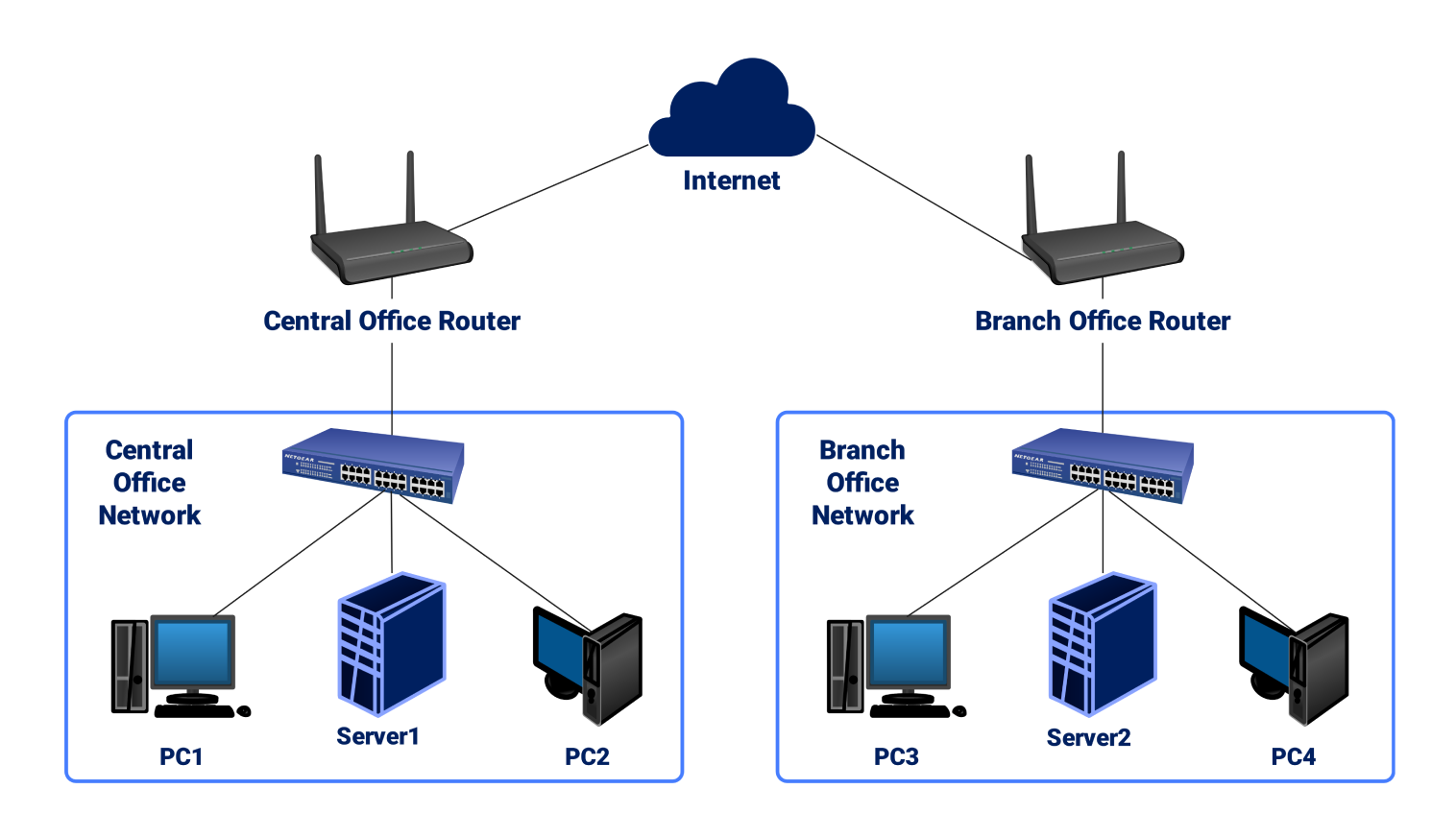
The Power of Networking: Building Connections for Success
Networking plays a crucial role in today’s interconnected world, where relationships and connections can open doors to new opportunities and propel individuals and businesses towards success. Whether you are a seasoned professional, an aspiring entrepreneur, or a student looking to kickstart your career, the value of networking cannot be overstated.
Why Network?
Networking allows you to meet like-minded individuals who share your interests or goals. By engaging with others in your industry or field of study, you can exchange ideas, knowledge, and experiences that can broaden your perspective and help you stay updated on the latest trends and developments.
Building Relationships
Effective networking is not just about handing out business cards or making small talk at events. It is about building genuine relationships based on trust, mutual respect, and shared interests. By investing time in getting to know others on a personal level, you can create a network of contacts who are not only valuable for professional purposes but also for personal growth.
Opportunities Abound
Networking opens up a world of opportunities that may not have been possible otherwise. From job leads and career advancements to collaborations on projects and access to resources, the connections you make through networking can lead to exciting prospects that can propel your success forward.
Tips for Effective Networking
- Attend industry events, conferences, and seminars to meet new people.
- Be proactive in reaching out to potential contacts through social media platforms like LinkedIn.
- Show genuine interest in others by listening actively and offering help or support where needed.
- Follow up with your contacts regularly to maintain relationships and stay top-of-mind.
Remember, networking is not just about what others can do for you but also about how you can contribute value to the network. By fostering meaningful connections with others and nurturing those relationships over time, you can harness the power of networking to achieve your goals and reach new heights of success.
Top 5 Essential Tips for Securing Your Network
- Ensure strong password protection for all network devices.
- Regularly update software and firmware to protect against vulnerabilities.
- Implement network segmentation to improve security and control access.
- Use encryption protocols like WPA2 or WPA3 to secure wireless networks.
- Monitor network traffic for any unusual or suspicious activity.
Ensure strong password protection for all network devices.
Ensuring strong password protection for all network devices is a critical aspect of maintaining cybersecurity and safeguarding sensitive information. By setting complex passwords that combine letters, numbers, and special characters, you can significantly reduce the risk of unauthorized access to your network. Regularly updating passwords and avoiding common or easily guessable combinations adds an extra layer of security to prevent potential breaches. Remember, a strong password is your first line of defense in protecting your network from cyber threats and ensuring the integrity of your data.
Regularly update software and firmware to protect against vulnerabilities.
Regularly updating software and firmware is essential in safeguarding your devices and systems against potential vulnerabilities. By staying current with the latest security patches and updates, you can mitigate the risk of cyber threats and unauthorized access to your network. Outdated software and firmware may contain known vulnerabilities that hackers can exploit, putting your sensitive data and information at risk. Therefore, maintaining a proactive approach to updating your technology ensures a stronger defense against potential security breaches and helps keep your network secure.
Implement network segmentation to improve security and control access.
Implementing network segmentation is a crucial strategy to enhance security and control access within an organization’s network infrastructure. By dividing the network into separate segments or zones based on factors such as user roles, departments, or security requirements, organizations can limit the impact of potential security breaches and unauthorized access attempts. Network segmentation helps in containing threats, reducing the attack surface, and enforcing stricter controls on data flow between different parts of the network. This proactive approach to network security not only strengthens defenses against cyber threats but also improves overall network performance and resilience.
Use encryption protocols like WPA2 or WPA3 to secure wireless networks.
Utilizing encryption protocols such as WPA2 or the more advanced WPA3 is essential for safeguarding wireless networks against unauthorized access and potential security breaches. By implementing robust encryption measures, network administrators can ensure that data transmitted over the network remains confidential and protected from malicious actors. These protocols help create a secure communication channel, making it significantly harder for cybercriminals to intercept sensitive information or infiltrate the network. Prioritizing the use of encryption protocols like WPA2 or WPA3 is a proactive step in enhancing the overall security posture of wireless networks and maintaining data integrity.
Monitor network traffic for any unusual or suspicious activity.
Monitoring network traffic for any unusual or suspicious activity is a critical aspect of maintaining a secure and reliable network infrastructure. By keeping a close eye on the flow of data within your network, you can quickly identify potential threats such as unauthorized access attempts, malware infections, or unusual spikes in traffic that could indicate a security breach. Regularly monitoring network activity allows you to take proactive measures to address any issues before they escalate, helping to safeguard your data, systems, and overall network integrity.