
The Importance of Insulation in Buildings
Insulation plays a crucial role in maintaining the comfort and energy efficiency of buildings. It helps regulate indoor temperatures by reducing heat transfer through walls, roofs, and floors. In India, where extreme weather conditions are common, proper insulation is essential to ensure a comfortable living or working environment.
Benefits of Insulation:
- Energy Efficiency: Insulation helps reduce the need for heating and cooling systems, leading to lower energy consumption and utility bills.
- Comfort: Proper insulation keeps indoor spaces at a consistent temperature, creating a comfortable environment year-round.
- Noise Reduction: Insulation can also help dampen noise from outside sources, improving the overall quality of living or working spaces.
- Environmental Impact: By reducing energy consumption, insulation contributes to lower carbon emissions and a more sustainable built environment.
Types of Insulation Materials:
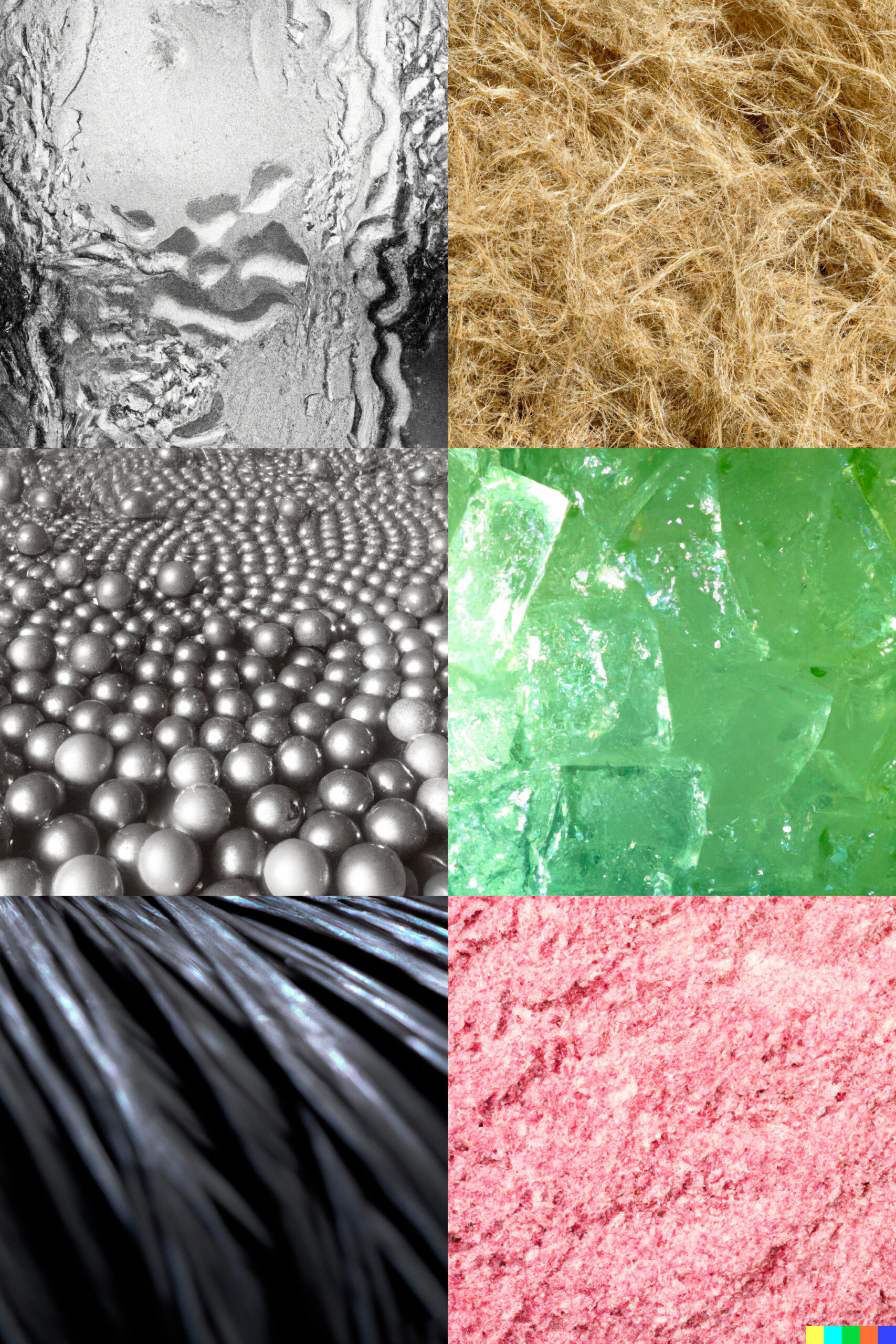
There are various types of insulation materials available in the market, each with its own set of properties and benefits. Common options include fiberglass, foam board, cellulose, and spray foam insulation. The choice of material depends on factors such as cost, thermal performance, and installation requirements.
Importance of Proper Installation:
While selecting the right insulation material is important, proper installation is equally crucial for optimal performance. Poorly installed insulation can lead to gaps or compression that compromise its effectiveness. It is recommended to hire professional installers or follow manufacturer guidelines for DIY installations.
Conclusion:
Insulation is not just about keeping buildings warm in winter and cool in summer; it is about creating a sustainable and comfortable living environment while reducing energy consumption. Investing in quality insulation can result in long-term savings on energy bills and contribute to a greener future for India’s building sector.
6 Essential Tips for Effective Home Insulation
- Ensure proper sealing of gaps and cracks to prevent air leaks.
- Choose insulation materials with high R-values for better thermal resistance.
- Consider using reflective insulation to reduce heat transfer through radiation.
- Install insulation in attics, walls, floors, and basements for maximum energy efficiency.
- Consult a professional to determine the most suitable type and amount of insulation for your home.
- Regularly inspect and maintain your insulation to ensure its effectiveness over time.
Ensure proper sealing of gaps and cracks to prevent air leaks.
Proper sealing of gaps and cracks is essential to prevent air leaks in buildings. By ensuring a tight seal, you can enhance the effectiveness of insulation and minimize heat loss or gain through unwanted openings. Sealing gaps and cracks not only improves energy efficiency but also helps maintain a comfortable indoor environment by keeping out drafts and external noise. Regular inspection and maintenance of seals can go a long way in maximizing the benefits of insulation in your building, ultimately leading to cost savings and enhanced thermal comfort.
Choose insulation materials with high R-values for better thermal resistance.
When selecting insulation materials for your building, opt for those with high R-values to enhance thermal resistance. The R-value indicates the material’s ability to resist heat flow, with higher values signifying better insulation performance. By choosing insulation with high R-values, you can improve the energy efficiency of your space, maintain consistent indoor temperatures, and reduce heating and cooling costs. Investing in materials with superior thermal resistance will help create a more comfortable and sustainable environment for your building in India’s varied climate conditions.
Consider using reflective insulation to reduce heat transfer through radiation.
Reflective insulation is a smart choice to consider when aiming to reduce heat transfer through radiation in buildings. This type of insulation works by reflecting radiant heat, helping to maintain comfortable indoor temperatures and improve energy efficiency. By incorporating reflective insulation into your building design, you can effectively minimize heat gain during hot weather and heat loss during cold weather. This simple yet effective solution can contribute significantly to creating a more thermally efficient and sustainable living or working environment in India.
Install insulation in attics, walls, floors, and basements for maximum energy efficiency.
To maximize energy efficiency in buildings, it is essential to install insulation in key areas such as attics, walls, floors, and basements. Proper insulation in these spaces helps regulate indoor temperatures, reduce heat loss or gain, and ultimately lower energy consumption. By insulating attics, walls, floors, and basements effectively, occupants can enjoy a more comfortable living or working environment while also cutting down on heating and cooling costs. This simple yet effective tip not only improves the overall energy performance of a building but also contributes to a more sustainable and eco-friendly living space.
Consult a professional to determine the most suitable type and amount of insulation for your home.
It is highly recommended to consult a professional to assess and recommend the most suitable type and amount of insulation for your home. A professional assessment takes into account factors such as the climate, building structure, and energy efficiency goals, ensuring that the insulation solution is tailored to meet your specific needs. By seeking expert advice, you can make informed decisions that optimize the performance of your insulation system, leading to improved comfort, energy savings, and overall sustainability of your home.
Regularly inspect and maintain your insulation to ensure its effectiveness over time.
Regularly inspecting and maintaining your insulation is crucial to ensure its long-term effectiveness in regulating indoor temperatures and energy efficiency. Over time, insulation can degrade due to factors like settling, moisture intrusion, or pest damage. By conducting routine inspections and addressing any issues promptly, you can prolong the lifespan of your insulation and maximize its performance. Regular maintenance not only helps in preserving the comfort of your living or working spaces but also contributes to cost savings by avoiding energy wastage associated with inefficient insulation.