
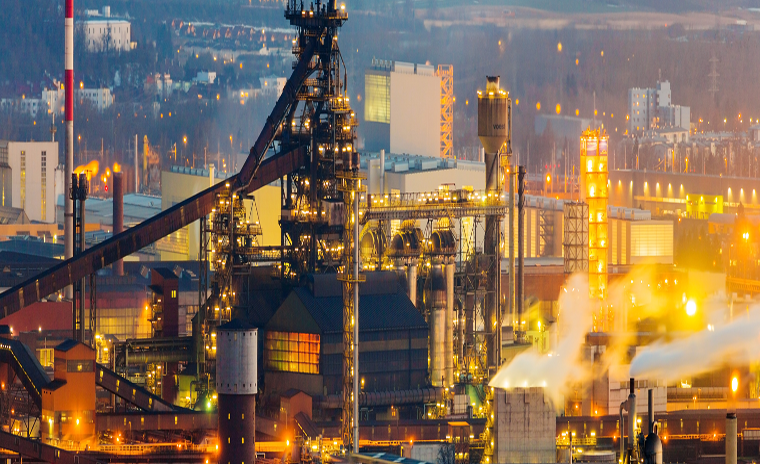
The Role of Industry in Driving Economic Growth
Industry plays a crucial role in the economic development of a country. It serves as the backbone of a nation’s economy, creating jobs, generating revenue, and fostering innovation. The industrial sector encompasses a wide range of activities, from manufacturing and construction to mining and energy production.
One of the key benefits of a thriving industrial sector is the creation of employment opportunities. Industries provide jobs for millions of people across various skill levels, helping to reduce unemployment rates and improve living standards. Moreover, the income generated by these jobs fuels consumer spending, further stimulating economic growth.
In addition to job creation, industries contribute significantly to government revenue through taxes and tariffs. This revenue is essential for funding public services such as healthcare, education, and infrastructure development. Furthermore, a strong industrial base enhances a country’s competitiveness in the global market, attracting foreign investment and boosting exports.
Industrial activities also drive innovation by encouraging research and development in new technologies and processes. This innovation not only improves productivity and efficiency within industries but also leads to the creation of new products and services that benefit society as a whole.
However, it is important to balance industrial growth with environmental sustainability. Industries have a significant impact on the environment through pollution, resource depletion, and waste generation. Therefore, it is crucial for industries to adopt eco-friendly practices and technologies to minimize their ecological footprint and contribute to sustainable development.
In conclusion, industry plays a vital role in driving economic growth by creating jobs, generating revenue, fostering innovation, and enhancing global competitiveness. By promoting responsible industrial practices, countries can harness the full potential of their industrial sector while safeguarding the environment for future generations.
Key Benefits of Industry: Employment, Revenue, Innovation, Global Competitiveness, Economic Growth, and Infrastructure Development
- Generates employment opportunities for a diverse workforce.
- Contributes significantly to government revenue through taxes and tariffs.
- Drives innovation by encouraging research and development in new technologies.
- Enhances a country’s competitiveness in the global market, attracting foreign investment.
- Stimulates economic growth through increased consumer spending and industrial output.
- Supports infrastructure development and improves living standards within communities.
Key Challenges of Industrialization: Environmental Pollution, Resource Depletion, Labor Exploitation, and Safety Hazards
- Environmental pollution from industrial activities can harm ecosystems and human health.
- Industrialization may lead to overexploitation of natural resources, causing depletion and scarcity.
- Labor exploitation and poor working conditions are common issues in some industries.
- Industrial accidents and safety hazards pose risks to workers and nearby communities.
Generates employment opportunities for a diverse workforce.
The industrial sector serves as a significant driver of economic growth by generating employment opportunities for a diverse workforce. Industries provide jobs for individuals across various skill levels and backgrounds, creating a pathway to economic empowerment and social mobility. By offering employment to a wide range of people, including skilled workers, technicians, engineers, and support staff, industries contribute to reducing unemployment rates and fostering inclusive growth. This diverse workforce not only strengthens the industrial sector but also enriches the overall fabric of society by promoting diversity and inclusion in the workplace.
Contributes significantly to government revenue through taxes and tariffs.
The industrial sector plays a crucial role in contributing significantly to government revenue through taxes and tariffs. By generating substantial income from industrial activities, the government is able to fund essential public services such as healthcare, education, infrastructure development, and social welfare programs. This revenue stream not only supports the functioning of the government but also helps in driving economic growth and overall prosperity within the country.
Drives innovation by encouraging research and development in new technologies.
The industrial sector drives innovation by fostering research and development in new technologies. Through continuous exploration and experimentation, industries push the boundaries of what is possible, leading to the creation of cutting-edge solutions and advancements. By investing in R&D, industries not only improve their own processes and products but also contribute to the overall progress of society. This culture of innovation not only enhances competitiveness but also paves the way for transformative changes that benefit various sectors and improve quality of life.
Enhances a country’s competitiveness in the global market, attracting foreign investment.
The presence of a robust industrial sector enhances a country’s competitiveness in the global market, making it an attractive destination for foreign investment. Industries that demonstrate efficiency, innovation, and high-quality products or services can capture the attention of international investors seeking growth opportunities. Foreign investment not only brings in capital but also facilitates technology transfer, knowledge exchange, and job creation, further strengthening the country’s economy. By fostering a business-friendly environment and promoting industrial excellence, nations can position themselves as key players in the global market, driving economic growth and prosperity.
Stimulates economic growth through increased consumer spending and industrial output.
The industrial sector serves as a catalyst for economic growth by stimulating increased consumer spending and industrial output. As industries create jobs and generate income, individuals have more purchasing power, leading to higher levels of consumer spending on goods and services. This rise in demand not only benefits businesses but also drives production levels within the industrial sector, resulting in increased output and revenue. The cycle of consumer spending and industrial production creates a positive feedback loop that fuels economic growth, boosts GDP, and contributes to overall prosperity in the economy.
Supports infrastructure development and improves living standards within communities.
The industrial sector plays a crucial role in supporting infrastructure development and enhancing living standards within communities. Through investments in infrastructure projects such as roads, bridges, utilities, and transportation systems, industries contribute to the overall growth and modernization of urban and rural areas. Improved infrastructure not only facilitates the movement of goods and services but also enhances access to essential amenities like healthcare, education, and clean water. As a result, communities benefit from increased connectivity, better quality of life, and enhanced economic opportunities, ultimately leading to higher living standards for residents.
Environmental pollution from industrial activities can harm ecosystems and human health.
Industrial activities have been associated with environmental pollution that can have detrimental effects on ecosystems and human health. The discharge of harmful chemicals, emissions of pollutants, and improper waste disposal from industries can contaminate air, water, and soil, leading to ecosystem degradation and biodiversity loss. Additionally, exposure to these pollutants poses serious risks to human health, causing respiratory problems, skin diseases, and other illnesses. It is essential for industries to adopt stringent environmental regulations and sustainable practices to minimize pollution levels and protect both the environment and public health from the adverse impacts of industrial activities.
Industrialization may lead to overexploitation of natural resources, causing depletion and scarcity.
Industrialization may lead to overexploitation of natural resources, causing depletion and scarcity. As industries ramp up production to meet growing demands, they often extract raw materials from the environment at unsustainable rates. This relentless pursuit of resources can result in the degradation of ecosystems, loss of biodiversity, and scarcity of essential resources such as water, minerals, and forests. The unchecked exploitation of natural resources not only threatens the balance of ecosystems but also jeopardizes the long-term availability of these resources for future generations. It is crucial for industries to adopt sustainable practices that prioritize resource conservation and environmental stewardship to mitigate the negative impacts of overexploitation on our planet.
Labor exploitation and poor working conditions are common issues in some industries.
Labor exploitation and poor working conditions are prevalent issues in certain industries, where workers often face harsh realities such as long hours, low wages, lack of job security, and inadequate safety measures. This exploitation not only undermines the well-being of the workers but also hampers their ability to lead a dignified life. Addressing these challenges requires a concerted effort from all stakeholders, including governments, industry leaders, and labor organizations, to ensure that workers are treated fairly and provided with safe and conducive working environments. By prioritizing the welfare of workers and enforcing stringent labor laws, we can strive towards creating a more equitable and sustainable industrial landscape.
Industrial accidents and safety hazards pose risks to workers and nearby communities.
Industrial accidents and safety hazards in the industry pose significant risks to both workers and nearby communities. The occurrence of accidents such as fires, explosions, chemical spills, and machinery malfunctions can result in injuries, fatalities, and long-term health issues for workers. Moreover, these incidents can have far-reaching consequences beyond the workplace, impacting the health and well-being of residents living in the vicinity of industrial facilities. It is crucial for industries to prioritize safety measures, provide proper training to employees, implement strict protocols for handling hazardous materials, and regularly conduct safety inspections to prevent accidents and protect both workers and the surrounding community from potential harm.