
The Rich Heritage and Evolution of Indian Footwear
Footwear holds a significant place in Indian culture, reflecting the country’s diverse traditions, craftsmanship, and evolving fashion trends. From ancient times to the modern era, Indian footwear has undergone a fascinating journey of innovation and adaptation.
Traditional Footwear
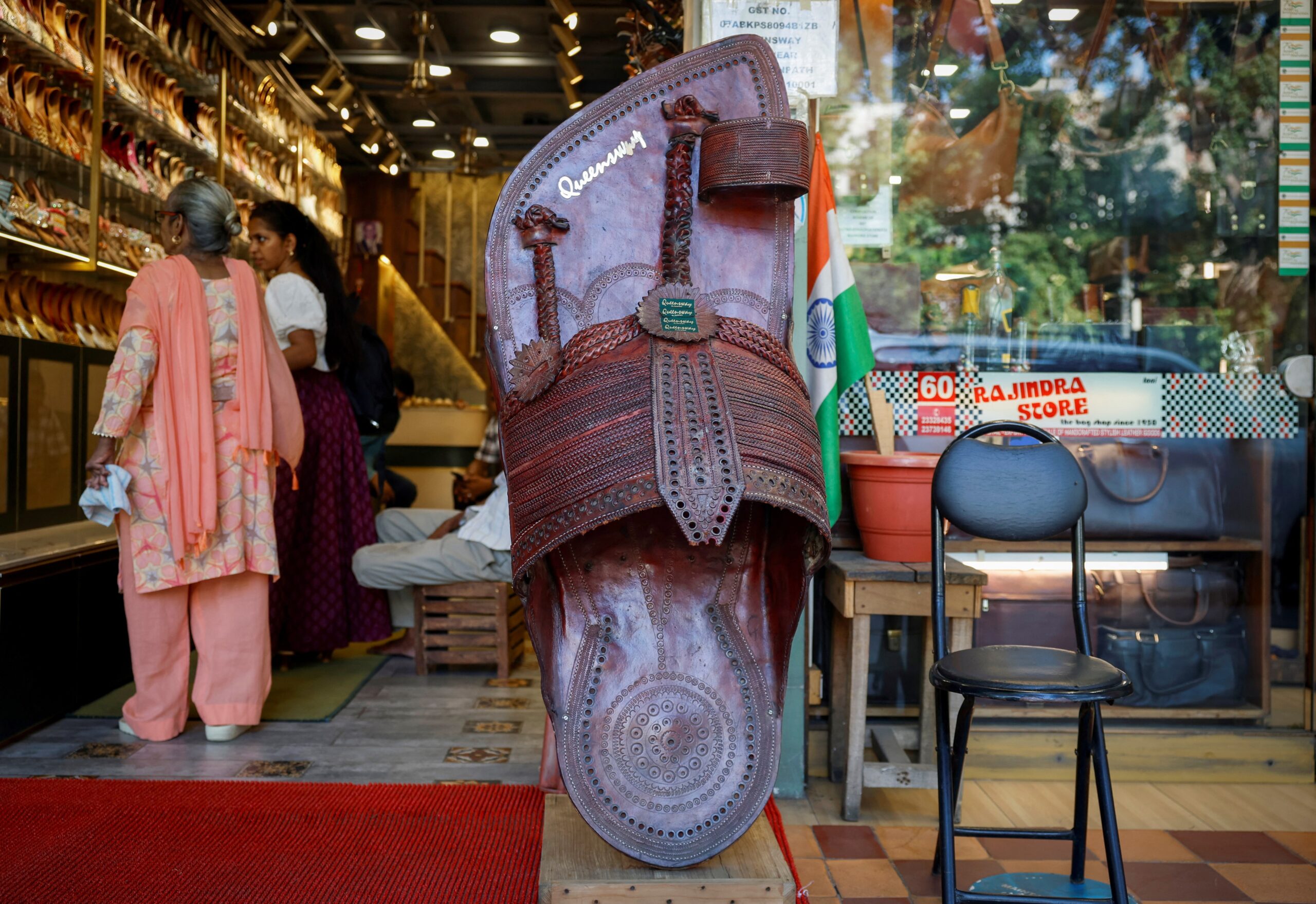
India boasts a wide array of traditional footwear styles that vary from region to region. For example, the intricately embroidered mojaris of Rajasthan, the sturdy Kolhapuri chappals from Maharashtra, and the colorful juttis of Punjab are just a few examples of the rich diversity in Indian footwear craftsmanship.
Historical Significance
Ancient texts and archaeological findings indicate that Indians have been making and wearing footwear for centuries. The use of materials like leather, wood, and textiles in crafting shoes dates back to early civilizations in the subcontinent.
Modern Trends
In recent years, Indian footwear has seen a fusion of traditional designs with contemporary styles. Designers are experimenting with new materials, colors, and patterns to cater to changing consumer preferences while still honoring age-old techniques.
Economic Impact
The Indian footwear industry is a significant contributor to the country’s economy. With a mix of small-scale artisans and large manufacturers, India produces a wide range of footwear products for both domestic consumption and export markets.
Sustainability Focus
As global awareness about sustainability grows, Indian footwear brands are increasingly focusing on eco-friendly practices. Many companies are incorporating recycled materials, organic fabrics, and ethical production methods into their manufacturing processes.
The Future Ahead
With a blend of tradition and innovation at its core, the future of Indian footwear looks promising. As consumer preferences continue to evolve, the industry is poised to adapt and thrive while preserving its rich heritage.
Exploring Indian Footwear: Tradition, Evolution, and Modern Trends
- What are some traditional Indian footwear styles?
- How has Indian footwear evolved over the years?
- What materials are commonly used in making Indian footwear?
- Which regions of India are known for specific types of footwear?
- What is the significance of footwear in Indian culture?
- How important is the Indian footwear industry to the country’s economy?
- Are there any sustainable practices being adopted by Indian footwear manufacturers?
- What trends can be observed in modern Indian footwear design?
What are some traditional Indian footwear styles?
Traditional Indian footwear styles showcase the country’s rich cultural diversity and craftsmanship. Some iconic examples include the intricately embroidered mojaris of Rajasthan, known for their vibrant colors and detailed patterns. The Kolhapuri chappals from Maharashtra are renowned for their sturdy leather construction and distinctive toe loops. In Punjab, colorful juttis adorned with beads and sequins are a popular choice for festive occasions. Each region in India has its unique traditional footwear styles that reflect the local heritage and artistry passed down through generations.
How has Indian footwear evolved over the years?
Indian footwear has undergone a remarkable evolution over the years, blending traditional craftsmanship with modern design trends. From the ancient use of leather and textiles in crafting shoes to the intricate embroidery and embellishments seen in regional styles, Indian footwear has a rich heritage that continues to inspire contemporary designs. The industry has embraced technological advancements, sustainable practices, and global fashion influences, leading to a diverse range of products that cater to both domestic and international markets. This evolution reflects not only changing consumer preferences but also the innovative spirit and adaptability of Indian footwear manufacturers and artisans.
What materials are commonly used in making Indian footwear?
Indian footwear showcases a diverse range of materials that are skillfully crafted to create unique and culturally significant designs. Some of the commonly used materials in making Indian footwear include leather, silk, jute, wood, rubber, and various textiles. Each material brings its own distinct characteristics to the footwear, whether it be the durability of leather, the vibrancy of silk embroidery, or the natural feel of jute. These materials not only contribute to the aesthetics of Indian footwear but also reflect the rich heritage and craftsmanship that have been passed down through generations.
Which regions of India are known for specific types of footwear?
India is a land of diverse cultures and traditions, each region known for its unique styles of footwear that reflect local customs and craftsmanship. For example, Rajasthan is renowned for its intricately embroidered mojaris, while Maharashtra is famous for the sturdy Kolhapuri chappals. Punjab is known for its colorful juttis, and Kerala showcases elegant thong sandals called nagrais. From the northern hills to the southern coast, India’s various regions have distinct footwear styles that have stood the test of time and continue to be celebrated for their artistry and cultural significance.
What is the significance of footwear in Indian culture?
Footwear holds immense significance in Indian culture, serving as more than just a practical accessory for protecting one’s feet. In India, footwear is deeply intertwined with tradition, rituals, and social customs. It plays a symbolic role in various ceremonies and festivals, where specific types of footwear are worn to signify auspicious occasions or cultural beliefs. Additionally, the design and craftsmanship of Indian footwear reflect regional diversity and artistic heritage, showcasing intricate patterns, vibrant colors, and skilled workmanship that have been passed down through generations. The importance of footwear in Indian culture extends beyond mere functionality to embody a sense of identity, pride, and connection to the country’s rich cultural heritage.
How important is the Indian footwear industry to the country’s economy?
The Indian footwear industry plays a crucial role in the country’s economy, contributing significantly to both employment and revenue generation. With a diverse range of traditional and modern footwear styles catering to domestic and international markets, the industry supports a vast network of manufacturers, suppliers, retailers, and artisans. The sector not only provides livelihoods to a large number of people across various skill levels but also contributes to India’s export earnings. Additionally, the growth of the Indian footwear industry reflects consumer demand trends, technological advancements, and global trade dynamics, making it an integral part of the nation’s economic landscape.
Are there any sustainable practices being adopted by Indian footwear manufacturers?
Indian footwear manufacturers in India are increasingly embracing sustainable practices to reduce their environmental impact. Many companies are now focusing on using eco-friendly materials, such as recycled rubber, organic cotton, and plant-based alternatives, in their shoe production. Additionally, efforts are being made to implement energy-efficient manufacturing processes and reduce waste generation. Some manufacturers are also emphasizing ethical labor practices and ensuring fair wages for workers throughout the supply chain. These sustainable initiatives not only benefit the environment but also resonate with consumers who are becoming more conscious about the products they purchase.
What trends can be observed in modern Indian footwear design?
In modern Indian footwear design, several trends can be observed that reflect a blend of traditional craftsmanship with contemporary styles. One prominent trend is the fusion of ethnic motifs and modern silhouettes, creating unique and eye-catching designs. Additionally, there is a growing emphasis on comfort and functionality, with designers incorporating cushioned soles and ergonomic shapes to cater to the demands of today’s consumers. Sustainable practices are also gaining traction in Indian footwear design, with an increasing number of brands using eco-friendly materials and production methods to reduce their environmental impact. Overall, modern Indian footwear design showcases a harmonious mix of heritage-inspired elements and forward-thinking aesthetics to appeal to a diverse range of tastes and preferences.