
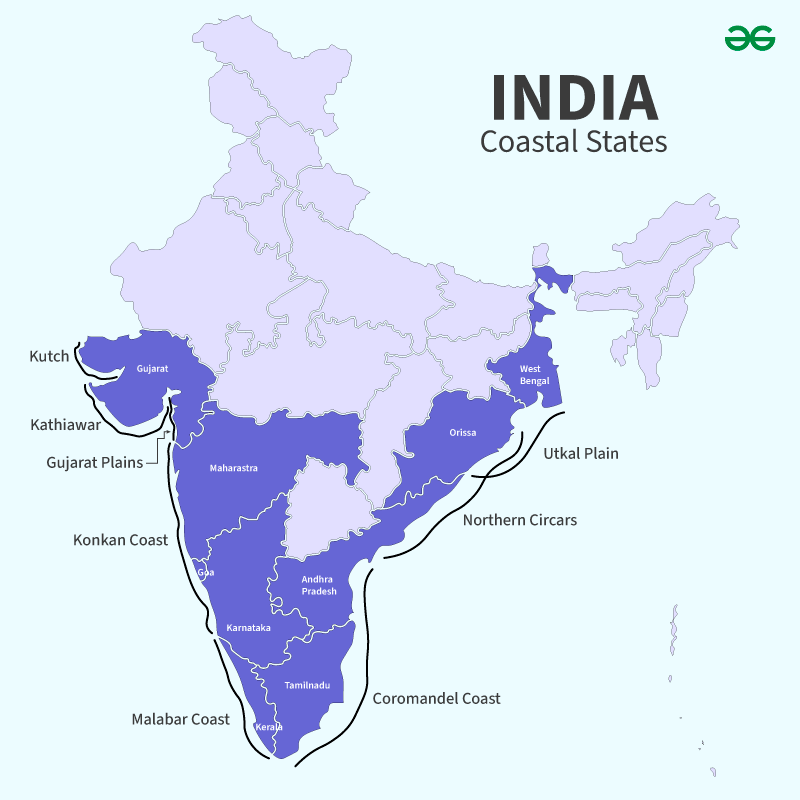
The Vibrant Diversity of India
India, a land of rich cultural heritage and diverse traditions, is a country that captivates the imagination with its myriad colors and flavors. From the snow-capped peaks of the Himalayas to the sun-kissed beaches of Goa, India offers a tapestry of experiences that are as varied as they are enchanting.
One of the striking aspects of India is its cultural diversity. With 29 states and 7 union territories, each region in India boasts its own unique language, cuisine, art forms, and festivals. Whether you’re exploring the bustling streets of Delhi, admiring the intricate carvings of temples in Tamil Nadu, or savoring spicy street food in Mumbai, every corner of India has something special to offer.
India’s history is as vast and varied as its geographical landscape. From ancient civilizations like the Indus Valley to the Mughal Empire and British colonial rule, India’s past has left an indelible mark on its present-day society. The architectural wonders of the Taj Mahal, Red Fort, and Hampi stand as testaments to India’s rich historical legacy.
Modern-day India is a vibrant mix of tradition and innovation. With a booming economy and a young population driving technological advancements, India has emerged as a global hub for IT services, pharmaceuticals, and renewable energy. The bustling cities of Bangalore, Hyderabad, and Pune are at the forefront of this tech revolution.
India’s natural beauty is also awe-inspiring. From the lush forests of Kerala to the deserts of Rajasthan and the serene backwaters of Alleppey, India’s diverse landscapes offer a paradise for nature lovers. The majestic wildlife sanctuaries such as Ranthambore National Park and Jim Corbett National Park are home to rare species like tigers and elephants.
As you traverse through this kaleidoscope of experiences in India, you’ll be greeted with warmth and hospitality that is characteristic of Indian culture. The spirit of “Atithi Devo Bhava” (guests are like gods) runs deep in Indian society, making visitors feel welcomed and cherished wherever they go.
In conclusion, India’s charm lies in its ability to embrace contradictions harmoniously – ancient traditions coexist with modern aspirations, bustling cities stand alongside serene landscapes, and diverse cultures unite under one flag. It is this vibrant diversity that makes India truly incredible.
Exploring India: Answers to 9 Common Questions About Population, Culture, and More
- What is the population of India?
- What are the major languages spoken in India?
- What is the capital city of India?
- What are popular tourist destinations in India?
- What is the currency used in India?
- What is the climate like in India?
- What are some famous festivals celebrated in India?
- How diverse is the cuisine in different regions of India?
- What are some traditional art forms and crafts unique to India?
What is the population of India?
India, the second most populous country in the world, boasts a population that is as diverse as it is vast. With over 1.3 billion people calling India home, the country is a melting pot of cultures, languages, and traditions. The sheer size and diversity of India’s population contribute to its dynamic social fabric and make it a fascinating study in contrasts. From bustling metropolises teeming with millions to remote villages nestled in the mountains, India’s population reflects a tapestry of identities that collectively shape the nation’s rich tapestry of heritage and history.
What are the major languages spoken in India?
In India, a country known for its linguistic diversity, several major languages are spoken across different regions. Hindi, the official language of the Indian government, is widely spoken in the northern and central parts of the country. In the southern states, languages like Tamil, Telugu, Kannada, and Malayalam hold prominence. Bengali is predominant in the eastern region, while Marathi is commonly spoken in Maharashtra and Gujarati in Gujarat. Additionally, languages such as Punjabi, Odia, Urdu, and Assamese are significant in their respective states. With over 1,600 dialects spoken across India, the linguistic landscape of the country reflects its rich cultural heritage and vibrant tapestry of traditions.
What is the capital city of India?
New Delhi is the capital city of India. It serves as the seat of the Indian government and houses important political institutions such as the Parliament of India and the Rashtrapati Bhavan (Presidential Residence). New Delhi is known for its iconic landmarks like India Gate, Lotus Temple, and Qutub Minar, along with its vibrant markets, diverse cuisine, and rich cultural heritage. As a bustling metropolis, New Delhi showcases a blend of modernity and tradition that reflects the dynamic spirit of India.
What are popular tourist destinations in India?
India, a country known for its diverse landscapes and rich cultural heritage, boasts a plethora of popular tourist destinations that cater to every traveler’s taste. From the iconic Taj Mahal in Agra, a symbol of eternal love, to the bustling streets of Delhi where history meets modernity, India offers a kaleidoscope of experiences. The serene backwaters of Kerala, the majestic forts and palaces of Rajasthan, the spiritual aura of Varanasi, and the pristine beaches of Goa are just a few among the many must-visit destinations in India that showcase the country’s beauty and charm. Whether you seek adventure in the Himalayas, relaxation on the beaches, or spiritual enlightenment in ancient temples, India has something for everyone.
What is the currency used in India?
In India, the official currency used is the Indian Rupee, denoted by the symbol “₹” and the ISO code INR. The Indian Rupee is issued and regulated by the Reserve Bank of India, and it is available in various denominations such as coins and banknotes. The currency symbol reflects the rich cultural heritage of India, with its design inspired by the Devanagari script. While traveling or conducting transactions in India, it is essential to familiarize oneself with the current exchange rates and denominations of the Indian Rupee to ensure smooth financial dealings.
What is the climate like in India?
India’s climate is as diverse as its culture and geography, varying greatly from region to region. Generally, India experiences three main seasons – summer, monsoon, and winter. The summer months, from March to June, are characterized by scorching heat in most parts of the country, with temperatures soaring above 40 degrees Celsius in some regions. The monsoon season, from June to September, brings much-needed rainfall to replenish the land and cool down the temperature. The winter months, from October to February, see cooler temperatures across the country, with some northern regions experiencing snowfall. Due to its vast size and varied topography ranging from mountains to deserts and coastal areas, India’s climate offers something for everyone, whether you prefer tropical beaches or snowy peaks.
What are some famous festivals celebrated in India?
India is known for its vibrant and diverse festivals that showcase the rich cultural tapestry of the country. Some of the famous festivals celebrated in India include Diwali, also known as the Festival of Lights, which symbolizes the victory of light over darkness and is celebrated with fireworks, sweets, and decorations. Holi, the festival of colors, marks the arrival of spring and is celebrated by throwing colored powders and water on each other. Navratri is a nine-night festival dedicated to worshiping different forms of the goddess Durga through dance and music performances. Eid-ul-Fitr and Eid-ul-Adha are important Islamic festivals celebrated with prayers, feasting, and charity. Ganesh Chaturthi honors the elephant-headed god Ganesha with elaborate processions and idol immersions in water bodies. These are just a few examples of the diverse and colorful festivals that bring people together in joyous celebrations across India.
How diverse is the cuisine in different regions of India?
India is renowned for its incredibly diverse cuisine, which varies significantly from region to region. Each state in India boasts a unique culinary tradition influenced by its history, geography, and culture. From the spicy curries of the south to the rich Mughlai dishes of the north, the flavors and ingredients used in Indian cuisine are as varied as the landscapes of the country. Whether you’re savoring dosas in Tamil Nadu, indulging in biryanis in Hyderabad, or enjoying street food delights in Delhi, exploring the diverse culinary offerings of India is a gastronomic adventure that promises to tantalize your taste buds.
What are some traditional art forms and crafts unique to India?
India is renowned for its rich tapestry of traditional art forms and crafts that showcase the country’s cultural heritage and artistic prowess. From intricate handloom textiles like Banarasi silk sarees and Kanchipuram silk sarees to vibrant folk paintings such as Madhubani and Warli art, India boasts a diverse array of artistic expressions. The intricate craftsmanship of Jaipur’s blue pottery, the delicate beauty of Kashmiri Pashmina shawls, and the ornate designs of Rajasthani meenakari jewelry are just a few examples of the exquisite artistry that is unique to India. Each region in India has its own distinctive art forms and crafts, reflecting the country’s rich history, traditions, and creativity.