
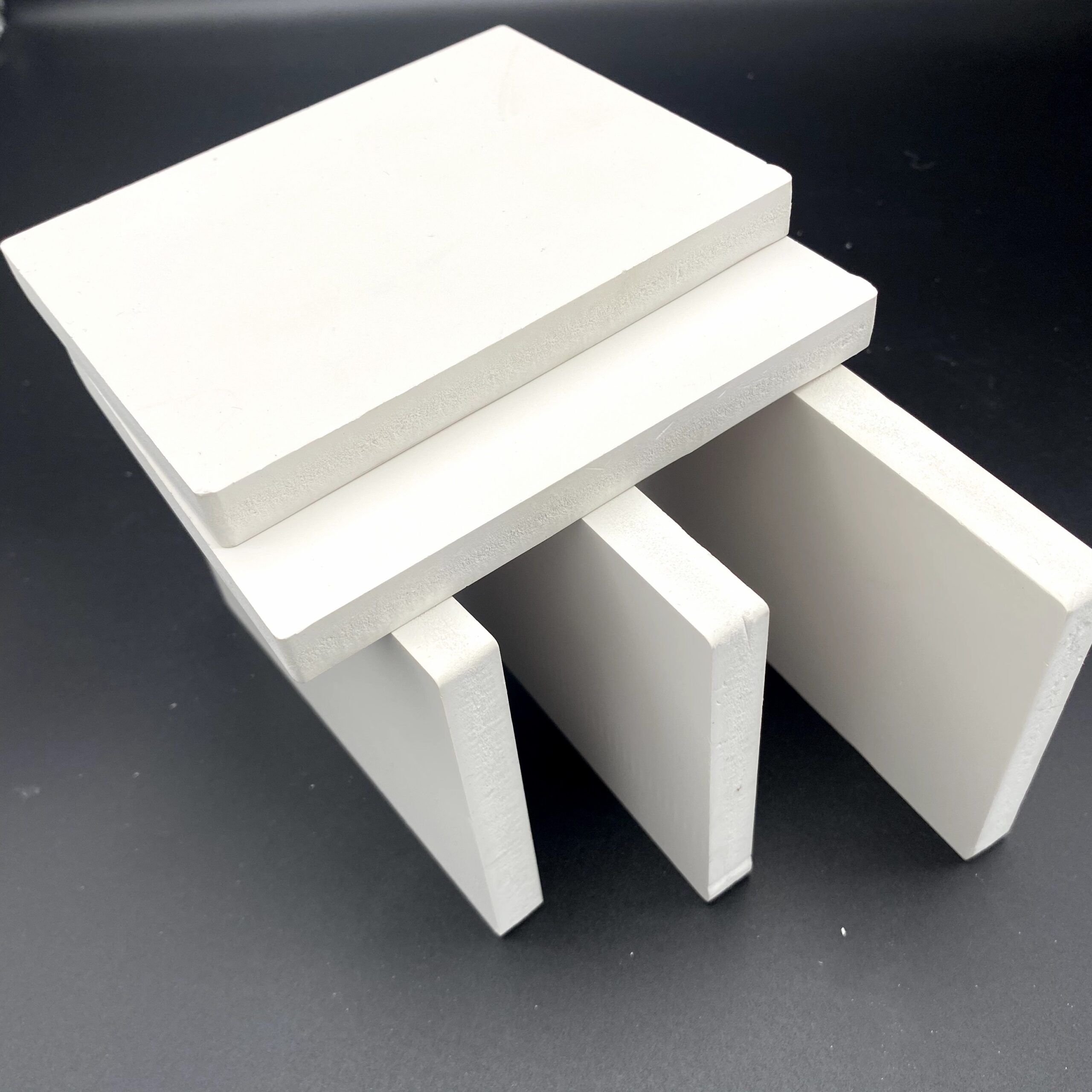
The Versatility of High Density Urethane Foam
High density urethane foam, also known as HDU foam, is a versatile material that finds applications across various industries due to its unique properties and characteristics. This type of foam is manufactured by combining polyol and diisocyanate under controlled conditions to create a rigid and durable material.
One of the key advantages of high density urethane foam is its exceptional strength-to-weight ratio. Despite being lightweight, HDU foam exhibits high compressive strength, making it an ideal choice for structural applications where weight reduction is crucial without compromising on durability.
Another noteworthy feature of HDU foam is its resistance to moisture, chemicals, and temperature fluctuations. This makes it suitable for outdoor signage, architectural elements, marine applications, and other environments where exposure to harsh conditions is expected.
High density urethane foam can be easily machined, carved, or sculpted to achieve intricate designs and shapes. This versatility in fabrication makes it a preferred material for creating decorative elements, prototypes, molds, patterns, and artistic installations.
In the construction industry, HDU foam is used for architectural trim work, column wraps, cornices, and custom millwork due to its ease of customization and ability to replicate intricate details typically found in traditional materials such as wood or stone.
Moreover, the thermal insulation properties of high density urethane foam make it an excellent choice for applications requiring temperature control or energy efficiency. Its closed-cell structure provides effective thermal resistance while maintaining dimensional stability over time.
In conclusion, high density urethane foam stands out as a versatile material that offers a unique combination of strength, durability, versatility in fabrication, weather resistance, and thermal insulation properties. Its wide range of applications across industries underscores its importance as a valuable resource for innovative solutions in design and engineering.
9 Advantages of High-Density Urethane Foam: Strength, Versatility, and Durability
- Exceptional strength-to-weight ratio
- High compressive strength
- Resistance to moisture, chemicals, and temperature fluctuations
- Suitable for outdoor applications
- Versatile in fabrication – easy to machine, carve, and sculpt
- Ideal for creating intricate designs and shapes
- Customizable for architectural elements and decorative work
- Excellent thermal insulation properties
- Durable and long-lasting material
Challenges of High Density Urethane Foam: Limited Colors, Higher Costs, and Environmental Concerns
- Limited color options compared to other materials for aesthetic applications
- Higher cost compared to traditional foam materials
- Not biodegradable and may pose challenges in terms of environmental impact and disposal
Exceptional strength-to-weight ratio
High density urethane foam offers an exceptional strength-to-weight ratio, making it a highly desirable material for various applications. Despite being lightweight, this foam exhibits remarkable strength and durability, allowing for the creation of sturdy structures without adding unnecessary weight. This unique property enables designers and engineers to achieve structural integrity while optimizing weight reduction, making high density urethane foam an ideal choice for projects where both strength and efficiency are paramount.
High compressive strength
High density urethane foam’s notable pro of high compressive strength sets it apart as a preferred material for structural applications where durability and load-bearing capacity are paramount. This characteristic allows the foam to withstand significant pressure without deforming or losing its shape, making it an excellent choice for creating support structures, molds, prototypes, and components that require resilience against heavy loads or impact forces. The ability of high density urethane foam to maintain its structural integrity under pressure ensures long-lasting performance and reliability in various industrial and construction settings.
Resistance to moisture, chemicals, and temperature fluctuations
High density urethane foam offers exceptional resistance to moisture, chemicals, and temperature fluctuations, making it a highly durable and reliable material for various applications. Its ability to withstand exposure to harsh environmental conditions ensures longevity and performance in outdoor settings, marine environments, and industrial applications where contact with chemicals is common. Additionally, the thermal stability of high density urethane foam makes it a preferred choice for projects requiring consistent performance across a wide range of temperatures, further highlighting its versatility and suitability for demanding conditions.
Suitable for outdoor applications
High density urethane foam’s suitability for outdoor applications is a significant advantage that stems from its exceptional resistance to moisture, chemicals, and temperature variations. This makes it an ideal choice for signage, architectural elements, marine structures, and other outdoor projects where exposure to harsh environmental conditions is a concern. The ability of high density urethane foam to withstand the rigors of outdoor settings while maintaining its structural integrity and aesthetic appeal underscores its reliability and versatility in diverse applications requiring durability and longevity in challenging outdoor environments.
Versatile in fabrication – easy to machine, carve, and sculpt
High density urethane foam offers a significant advantage in fabrication as it is highly versatile and easy to work with. This material can be machined, carved, and sculpted with precision to create intricate designs and shapes according to specific requirements. Its malleability allows for detailed customization, making it a preferred choice for industries that require complex or artistic elements in their products or projects. The ease of manipulation and shaping of high density urethane foam enhances the creative possibilities for designers, engineers, artists, and craftsmen seeking a versatile material that can bring their ideas to life with precision and finesse.
Ideal for creating intricate designs and shapes
High density urethane foam is an ideal choice for creating intricate designs and shapes due to its exceptional versatility in fabrication. This material can be easily machined, carved, or sculpted with precision, allowing designers and craftsmen to achieve intricate details and complex geometries that may be challenging with other materials. Whether used for architectural elements, artistic installations, prototypes, molds, or decorative pieces, high density urethane foam enables the realization of intricate designs with finesse and accuracy, making it a preferred option for projects that demand meticulous craftsmanship and attention to detail.
Customizable for architectural elements and decorative work
High density urethane foam offers a significant advantage in its ability to be fully customized for architectural elements and decorative work. This feature allows designers and architects to create intricate and detailed designs that may be challenging or costly to achieve with traditional materials. From ornate trim work to elaborate sculptures, high density urethane foam can be easily shaped, carved, and molded to bring unique artistic visions to life. Its versatility in customization opens up a world of possibilities for creating stunning and personalized architectural features that enhance the aesthetic appeal of any space.
Excellent thermal insulation properties
High density urethane foam boasts excellent thermal insulation properties, making it a preferred choice for applications requiring temperature control and energy efficiency. Its closed-cell structure effectively minimizes heat transfer, providing reliable thermal resistance while maintaining dimensional stability over time. Whether used in construction, packaging, or industrial settings, the superior insulation capability of high density urethane foam helps to reduce energy consumption, enhance indoor comfort levels, and contribute to sustainable practices by promoting efficient thermal management.
Durable and long-lasting material
High density urethane foam is renowned for its durability and longevity, making it a preferred material for various applications. Its ability to withstand wear and tear over time without losing structural integrity ensures that products or structures made from high density urethane foam maintain their quality and performance for an extended period. This durability feature not only adds value to the end product but also reduces the need for frequent replacements, ultimately leading to cost savings and sustainable use of resources.
Limited color options compared to other materials for aesthetic applications
While high density urethane foam offers a multitude of benefits, one notable drawback is its limited color options compared to other materials when used for aesthetic applications. Unlike materials such as wood, metal, or plastics that can be easily painted or finished in a wide range of colors, HDU foam typically comes in a more restricted color palette. This limitation may pose challenges for projects where specific color matching or customization is required to achieve desired aesthetic outcomes. Despite this constraint, creative solutions such as painting, coating, or applying surface finishes can be employed to enhance the visual appeal of high density urethane foam products for various design purposes.
Higher cost compared to traditional foam materials
High density urethane foam poses a significant drawback in the form of higher costs when compared to traditional foam materials. The manufacturing process and specialized properties of high density urethane foam contribute to its elevated price point, making it less cost-effective for budget-conscious projects or applications where lower-cost alternatives are preferred. This increased cost factor may limit the widespread adoption of high density urethane foam in certain industries or projects that prioritize affordability over the specific benefits offered by this advanced material.
Not biodegradable and may pose challenges in terms of environmental impact and disposal
High density urethane foam, despite its many benefits, presents a significant drawback in that it is not biodegradable. This characteristic raises concerns regarding its environmental impact and proper disposal. As a non-biodegradable material, high density urethane foam may contribute to long-term waste management challenges and potential harm to the ecosystem if not handled responsibly. Efforts to address the environmental implications of this aspect of HDU foam usage are essential to ensure sustainable practices and minimize adverse effects on the environment.