
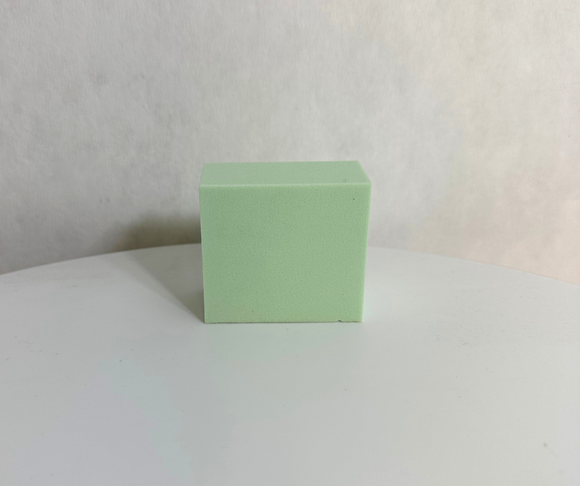
The Versatility of High Density Polyurethane
High density polyurethane (HDPU) is a versatile material that finds applications in various industries due to its exceptional properties and characteristics. HDPU is a type of polyurethane foam that is known for its high strength, durability, and resistance to wear and tear.
One of the key advantages of HDPU is its high load-bearing capacity, making it ideal for use in structural applications where strength and stability are paramount. Industries such as construction, automotive, and aerospace rely on HDPU for components that require superior mechanical properties.
Another notable feature of HDPU is its excellent insulation properties. This makes it a popular choice for thermal insulation in buildings, refrigeration units, and other applications where temperature control is essential. HDPU’s ability to maintain consistent thermal performance over a wide range of temperatures makes it a reliable solution for energy-efficient designs.
Moreover, HDPU is lightweight compared to many traditional materials with similar strength characteristics. This lightweight nature not only simplifies handling and installation but also contributes to reducing overall weight in applications such as transportation vehicles and furniture manufacturing.
In addition to its physical properties, HDPU can be easily molded into various shapes and sizes, allowing for customization to meet specific design requirements. Its versatility in processing techniques such as molding, cutting, and shaping makes it a preferred choice for designers seeking creative solutions.
Overall, high density polyurethane stands out as a valuable material with a wide range of applications across different industries. Its combination of strength, durability, insulation properties, lightweight nature, and versatility in processing make it an indispensable resource for modern engineering and manufacturing endeavors.
Understanding High Density Polyurethane: Safety, Composition, and Comparisons with PU and HR Foams
- Is high density polyurethane foam safe?
- What is high density polyurethane?
- Which is better PU foam or HD foam?
- Which is better HR or HD foam?
- What is the density of PU polyurethane?
Is high density polyurethane foam safe?
Is High Density Polyurethane Foam Safe?
High density polyurethane foam is considered safe for use in various applications when manufactured and handled properly. The safety of HDPU foam largely depends on the absence of harmful chemicals in its composition and adherence to industry regulations and standards during production. It is essential to ensure that the manufacturing process does not involve toxic substances that could pose health risks to users. Additionally, proper ventilation and handling practices should be followed to minimize exposure to any potential hazards associated with HDPU foam. When used as intended and in compliance with safety guidelines, high density polyurethane foam can provide reliable performance without compromising the well-being of individuals.
What is high density polyurethane?
High density polyurethane, often abbreviated as HDPU, is a specialized type of polyurethane foam known for its exceptional strength and durability. It is a versatile material that finds applications in various industries due to its high load-bearing capacity, excellent insulation properties, lightweight nature, and ease of customization. HDPU is commonly used in structural components, thermal insulation systems, transportation vehicles, and furniture manufacturing. Its ability to maintain consistent performance over a wide range of temperatures makes it a preferred choice for applications where strength and reliability are crucial.
Which is better PU foam or HD foam?
When comparing PU foam and HD foam, it is important to consider the specific requirements of the application. PU foam, or polyurethane foam, is known for its versatility and comfort, making it a popular choice for cushioning in furniture and bedding. On the other hand, HD foam, or high density foam, offers superior durability and support due to its higher density. For applications where longevity and structural integrity are crucial, such as in automotive seating or heavy-duty furniture, HD foam may be the preferred choice. Ultimately, the decision between PU foam and HD foam depends on factors like desired comfort level, durability needs, and budget constraints.
Which is better HR or HD foam?
When comparing HR (High Resilience) foam to HD (High Density) foam, the choice between the two depends on specific requirements and preferences. HR foam is known for its exceptional bounce-back ability and comfort, making it a popular choice for mattresses and upholstery where resilience and support are key factors. On the other hand, HD foam is valued for its durability, strength, and load-bearing capacity, making it suitable for applications that require structural integrity and longevity. Ultimately, the decision between HR and HD foam should be based on the intended use and desired characteristics of the foam product to ensure optimal performance and satisfaction.
What is the density of PU polyurethane?
The density of PU polyurethane can vary depending on the specific formulation and intended application. Generally, polyurethane materials have a wide range of densities, with low-density foams being lightweight and flexible, while high-density foams are more rigid and durable. The density of PU polyurethane is typically expressed in kilograms per cubic meter (kg/m³) or pounds per cubic foot (lb/ft³). It is important to consider the desired characteristics and performance requirements when selecting a specific density of PU polyurethane for a particular use case.