
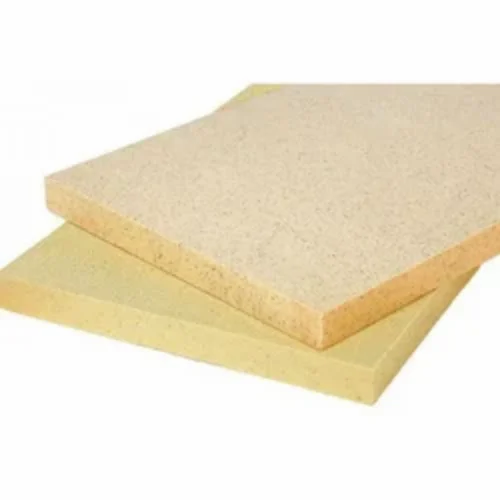
The Versatile World of Hard Foam: Applications and Benefits
Hard foam, also known as rigid foam, is a versatile material that finds applications in various industries due to its unique properties and benefits. Composed of closed-cell structure, hard foam offers excellent strength, durability, and insulation capabilities.
Applications of Hard Foam:
- Construction: Hard foam is commonly used in construction for insulation purposes. It helps in maintaining optimal temperature levels within buildings, reducing energy consumption.
- Packaging: Due to its lightweight nature and shock-absorbing properties, hard foam is ideal for packaging delicate items such as electronics and glassware.
- Automotive: The automotive industry utilizes hard foam for interior components, such as headliners and door panels, providing both structural support and noise reduction.
- Furniture: Hard foam is a popular choice for furniture manufacturing as it offers comfort, support, and longevity to products like mattresses and cushions.
Benefits of Hard Foam:
- Strength: Hard foam exhibits high compressive strength, making it suitable for applications where structural integrity is crucial.
- Insulation: Its low thermal conductivity properties make hard foam an excellent insulating material, helping to regulate temperature effectively.
- Durability: With its resistance to moisture and chemicals, hard foam proves to be a durable option for long-term use in various environments.
- Versatility: The versatility of hard foam allows it to be molded into different shapes and sizes to meet specific requirements across industries.
In conclusion, hard foam stands out as a reliable material with wide-ranging applications and benefits. Its ability to offer strength, insulation, durability, and versatility makes it an indispensable resource in modern manufacturing processes.
Exploring Hard Foam: Types, Terminology, Mattress Benefits, and DIY Hardening Techniques
- What are the two types of foam?
- What is hard foam called?
- Is a hard foam mattress good?
- How can I make foam hard?
What are the two types of foam?
When it comes to foam materials, there are primarily two main types: open-cell foam and closed-cell foam. Open-cell foam is characterized by interconnected air pockets within the material, allowing for flexibility and breathability. On the other hand, closed-cell foam features sealed cells that do not allow air or liquid to pass through, providing higher density and durability. Each type of foam has its unique properties and applications, catering to a wide range of needs in various industries such as construction, automotive, packaging, and more.
What is hard foam called?
Hard foam is commonly referred to as rigid foam. Rigid foam is a type of foam material that has a closed-cell structure, providing it with a rigid and firm texture. This material is known for its strength, durability, and insulation properties, making it a popular choice for various applications across industries such as construction, packaging, automotive, and furniture. Rigid foam is versatile and can be molded into different shapes and sizes to suit specific needs, making it an essential material in modern manufacturing processes.
Is a hard foam mattress good?
When considering the quality of a mattress, a hard foam mattress can be a suitable choice for individuals who prefer firmer support while sleeping. Hard foam mattresses offer excellent durability and can provide adequate spinal alignment, which is beneficial for those with back pain or seeking extra support. However, the comfort level of a mattress is subjective and varies from person to person based on individual preferences. It is essential to test the mattress personally to determine if it meets your comfort and support needs before making a decision on whether a hard foam mattress is good for you.
How can I make foam hard?
To make foam hard, a common method is to use chemical additives or processes that promote the formation of a closed-cell structure within the foam. By introducing substances like cross-linking agents or blowing agents during the foam production process, it is possible to enhance the rigidity and strength of the foam material. Additionally, applying heat or pressure treatments can also help in increasing the hardness of the foam by altering its molecular structure. It is essential to follow proper techniques and guidelines to achieve the desired level of hardness while ensuring that the foam retains its intended properties and characteristics.