
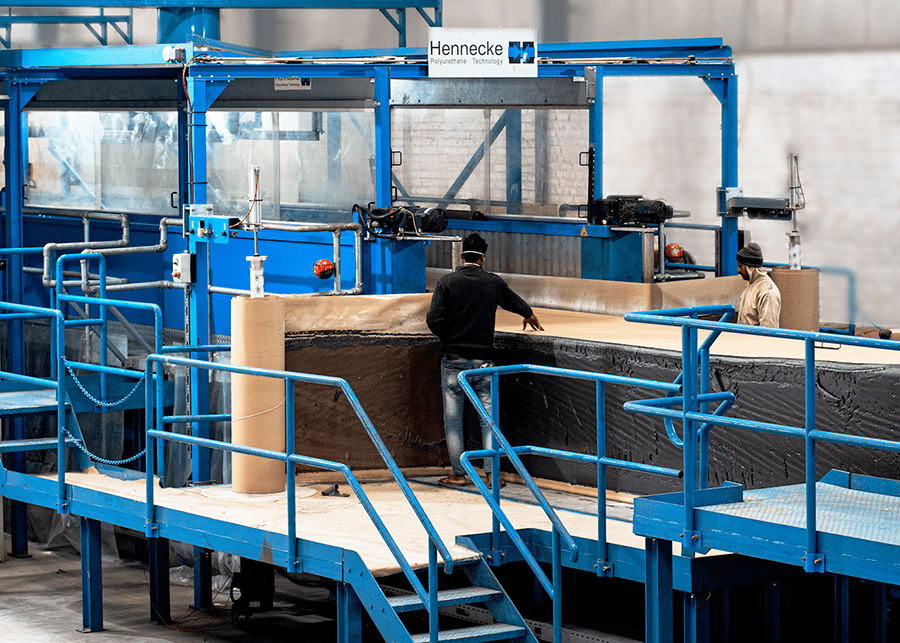
The Growing Industry of Foam Manufacturers in India
India has witnessed a significant rise in the demand for foam products across various sectors, leading to the growth of foam manufacturers in the country. Foam, a versatile material known for its cushioning and insulating properties, is used in diverse industries such as furniture, automotive, packaging, and construction.
Key Players in the Indian Foam Manufacturing Sector
Several established and emerging companies are actively involved in foam manufacturing in India. These manufacturers produce a wide range of foam products including polyurethane foam, polystyrene foam, PVC foam, and rubber foam to cater to different market needs.
Technological Advancements Driving Innovation
The foam manufacturing industry in India is witnessing rapid technological advancements that are driving innovation in product design and development. Manufacturers are investing in research and development to create foams with enhanced properties such as improved durability, fire resistance, and eco-friendliness.
Market Trends and Opportunities
The demand for high-quality foams is on the rise due to increasing applications in sectors like furniture manufacturing, automotive seating, insulation materials, and packaging solutions. This trend presents lucrative opportunities for foam manufacturers to expand their product offerings and reach new markets both domestically and internationally.
Sustainability Initiatives
With growing environmental concerns, many foam manufacturers in India are focusing on sustainability initiatives. They are adopting eco-friendly production processes, using recycled materials, and developing biodegradable foams to reduce their carbon footprint and contribute to a greener future.
Challenges Faced by Foam Manufacturers
Despite the promising growth prospects, foam manufacturers in India face challenges such as fluctuating raw material prices, regulatory compliance issues, and competition from imported products. Overcoming these challenges requires strategic planning, innovation, and collaboration within the industry.
The Future Outlook
The future of foam manufacturing in India looks promising with continued investments in technology, sustainability practices, and market expansion. As consumer preferences evolve towards more sustainable and high-performance products, Indian foam manufacturers have the opportunity to lead the way with innovative solutions that meet the demands of a dynamic market.
Advantages of Indian Foam Manufacturers: Innovation, Sustainability, and Market Growth
- Diverse range of foam products available for different industries and applications.
- Growing market demand for foam products in sectors like furniture, automotive, and packaging.
- Technological advancements driving innovation in foam manufacturing processes.
- Opportunities for expansion into domestic and international markets.
- Focus on sustainability initiatives to reduce environmental impact.
- Access to skilled workforce and expertise in foam production techniques.
- Competitive pricing compared to imported foam products.
- Potential for collaboration with other industries to develop new applications for foams.
Challenges Faced by Foam Manufacturers in India: Navigating Market Pressures and Operational Complexities
- Fluctuating raw material prices impact production costs and profit margins.
- Competition from imported foam products puts pressure on local manufacturers.
- Challenges in maintaining consistent quality standards across different batches of foam.
- Limited availability of skilled labor with expertise in foam manufacturing processes.
- Environmental regulations and compliance requirements add to operational complexities.
- Volatile market conditions can lead to uncertainty in demand for foam products.
- Infrastructure limitations may hinder the expansion and modernization of manufacturing facilities.
Diverse range of foam products available for different industries and applications.
Foam manufacturers in India offer a diverse range of foam products tailored to meet the specific needs of various industries and applications. From polyurethane foam for comfortable furniture and automotive seating to polystyrene foam for packaging solutions and rubber foam for insulation materials, the versatility and adaptability of Indian foam manufacturers enable them to cater to a wide spectrum of market requirements. This pro highlights the industry’s capability to provide customized foam solutions that address the unique demands of different sectors, showcasing the innovation and flexibility of foam manufacturers in India.
Growing market demand for foam products in sectors like furniture, automotive, and packaging.
The growing market demand for foam products in sectors such as furniture, automotive, and packaging presents a significant opportunity for foam manufacturers in India. With an increasing need for comfortable and durable furniture, lightweight and energy-efficient automotive components, and protective packaging solutions, the demand for high-quality foams is on the rise. Indian foam manufacturers are well-positioned to cater to these diverse sectors by offering innovative products that meet the evolving needs of consumers and industries alike. This trend not only drives the growth of the foam manufacturing industry but also opens up avenues for expansion and diversification in both domestic and international markets.
Technological advancements driving innovation in foam manufacturing processes.
Technological advancements in foam manufacturing processes are playing a crucial role in driving innovation within the industry in India. With continuous research and development efforts, manufacturers are able to enhance the quality, performance, and sustainability of foam products. Advanced technologies enable the creation of foams with improved characteristics such as strength, durability, thermal insulation, and fire resistance. By leveraging cutting-edge manufacturing processes, foam manufacturers in India can meet the evolving demands of various sectors while staying ahead in a competitive market landscape.
Opportunities for expansion into domestic and international markets.
Foam manufacturers in India have a significant pro in the form of opportunities for expansion into both domestic and international markets. With the increasing demand for high-quality foam products across various industries, Indian manufacturers have the potential to tap into new market segments and reach a wider customer base. Domestically, the growing sectors such as furniture, automotive, construction, and packaging offer ample scope for expansion. Additionally, with globalization and trade liberalization, Indian foam manufacturers can explore international markets to showcase their products and expertise, thereby enhancing their global presence and competitiveness on a larger scale.
Focus on sustainability initiatives to reduce environmental impact.
Foam manufacturers in India are increasingly focusing on sustainability initiatives to reduce their environmental impact. By adopting eco-friendly production processes, utilizing recycled materials, and developing biodegradable foams, these manufacturers are demonstrating their commitment to environmental stewardship. Through such initiatives, foam manufacturers not only contribute to reducing carbon emissions and waste generation but also cater to the growing consumer demand for sustainable products. Embracing sustainability practices not only benefits the environment but also enhances the reputation of foam manufacturers as responsible corporate citizens in the industry.
Access to skilled workforce and expertise in foam production techniques.
Foam manufacturers in India benefit from easy access to a skilled workforce and expertise in foam production techniques. The presence of trained professionals with specialized knowledge in manufacturing processes allows companies to maintain high standards of quality and efficiency in their operations. With a workforce well-versed in the latest foam production techniques, manufacturers in India can leverage this expertise to innovate, optimize production processes, and meet the evolving demands of the market effectively. This advantage not only enhances the competitiveness of Indian foam manufacturers but also positions them as leaders in delivering superior foam products tailored to diverse industry requirements.
Competitive pricing compared to imported foam products.
Foam manufacturers in India offer a significant advantage in terms of competitive pricing when compared to imported foam products. This cost-effectiveness stems from factors such as lower production costs, efficient manufacturing processes, and access to locally sourced raw materials. By providing high-quality foam products at competitive prices, Indian manufacturers not only cater to the domestic market but also attract international buyers looking for cost-effective solutions. This pro positions Indian foam manufacturers as strong contenders in the global marketplace, offering value for money without compromising on quality or performance.
Potential for collaboration with other industries to develop new applications for foams.
Foam manufacturers in India have a significant advantage in their potential for collaboration with other industries to explore and develop new applications for foams. By partnering with sectors such as automotive, furniture, packaging, and construction, foam manufacturers can leverage their expertise in material science and production capabilities to create innovative solutions tailored to specific market needs. This collaborative approach not only fosters creativity and cross-industry knowledge sharing but also opens up opportunities for the development of advanced foam products that meet evolving consumer demands for efficiency, sustainability, and performance.
Fluctuating raw material prices impact production costs and profit margins.
The fluctuating prices of raw materials pose a significant challenge for foam manufacturers in India, impacting their production costs and profit margins. Sudden fluctuations in the prices of key raw materials such as chemicals and polymers can disrupt production planning and budgeting, leading to increased operational expenses. This volatility in raw material prices not only affects the overall cost of manufacturing foam products but also puts pressure on profit margins, making it challenging for manufacturers to maintain competitiveness in the market. To mitigate this con, foam manufacturers need to adopt strategic procurement practices, establish long-term supplier relationships, and explore alternative sourcing options to better manage cost fluctuations and ensure sustainable profitability.
Competition from imported foam products puts pressure on local manufacturers.
The competition from imported foam products poses a significant challenge for local foam manufacturers in India. The availability of cheaper imported foams often puts pressure on domestic manufacturers to lower their prices to remain competitive in the market. This not only affects the profitability of local companies but also hampers their ability to invest in research and development, innovation, and sustainability initiatives. To address this con effectively, Indian foam manufacturers need to focus on enhancing product quality, differentiating their offerings, and leveraging their strengths in customization and customer service to stand out in a crowded marketplace.
Challenges in maintaining consistent quality standards across different batches of foam.
Ensuring consistent quality standards across different batches of foam poses a significant challenge for foam manufacturers in India. Variations in raw materials, production processes, and environmental conditions can lead to differences in foam characteristics from one batch to another. Maintaining uniformity in quality is crucial to meet customer expectations and regulatory requirements. Manufacturers must implement robust quality control measures, regular testing protocols, and continuous monitoring of production parameters to address this challenge effectively. Failure to achieve consistent quality standards can result in product defects, customer dissatisfaction, and loss of credibility in the market.
Limited availability of skilled labor with expertise in foam manufacturing processes.
The foam manufacturing industry in India faces a significant challenge due to the limited availability of skilled labor with expertise in foam manufacturing processes. The specialized nature of foam production requires workers who possess knowledge of intricate manufacturing techniques, quality control standards, and equipment operation. The shortage of trained professionals hampers the industry’s ability to meet growing demand efficiently and hinders innovation in product development. Addressing this con will require investment in training programs, collaboration with educational institutions, and initiatives to attract and retain skilled talent within the foam manufacturing sector.
Environmental regulations and compliance requirements add to operational complexities.
Environmental regulations and compliance requirements pose a significant challenge for foam manufacturers in India, adding to operational complexities. Meeting stringent environmental standards and ensuring compliance with regulations not only increases production costs but also demands continuous monitoring and investment in eco-friendly practices. From waste management to emissions control, foam manufacturers must navigate a complex regulatory landscape while striving to balance sustainability with operational efficiency. Adhering to these environmental obligations requires dedicated resources and expertise, highlighting the need for proactive strategies to mitigate the impact of regulatory constraints on the industry.
Volatile market conditions can lead to uncertainty in demand for foam products.
Volatile market conditions in India can pose a significant challenge for foam manufacturers as they may experience uncertainty in the demand for their products. Fluctuations in economic factors, changing consumer preferences, and unpredictable supply chain disruptions can impact the stability of the foam industry. Manufacturers must adapt to these uncertain market conditions by implementing agile production strategies, closely monitoring market trends, and diversifying their product offerings to mitigate risks associated with fluctuating demand levels. By staying responsive and flexible in their operations, foam manufacturers can navigate through periods of market volatility and maintain a competitive edge in the industry.
Infrastructure limitations may hinder the expansion and modernization of manufacturing facilities.
Infrastructure limitations pose a significant challenge for foam manufacturers in India, potentially hindering their efforts to expand and modernize manufacturing facilities. Inadequate infrastructure, such as unreliable power supply, poor transportation networks, and limited access to water resources, can impact the efficiency and productivity of manufacturing operations. These limitations may lead to delays in production schedules, increased operating costs, and difficulties in implementing advanced technologies for process optimization. Overcoming these infrastructure constraints requires strategic planning, investment in alternative solutions such as renewable energy sources and efficient logistics systems, and collaboration with government authorities to address key infrastructure gaps that impede the growth of the foam manufacturing sector in India.