
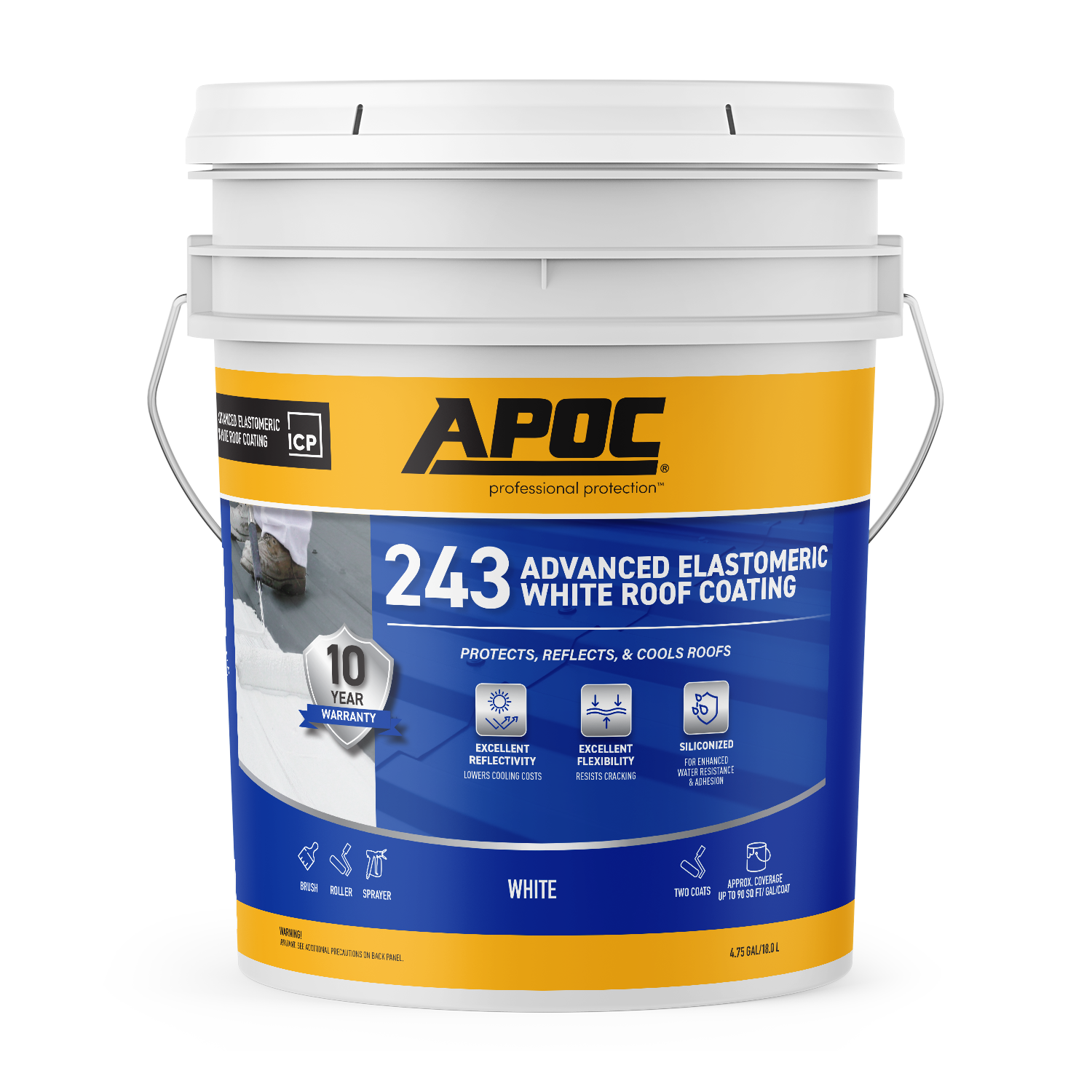
The Versatile World of Elastomeric Materials
Elastomeric materials are a diverse group of polymers known for their unique elastic properties. These materials have the ability to stretch and return to their original shape when subjected to stress, making them ideal for a wide range of applications across various industries.
Properties of Elastomeric Materials
One of the key characteristics of elastomers is their high elasticity, which allows them to deform under stress and then recover their initial shape once the stress is removed. This property makes elastomers suitable for applications that require flexibility, resilience, and durability.
Applications of Elastomeric Materials
Elastomers find extensive use in industries such as automotive, construction, healthcare, and consumer goods. In the automotive sector, elastomeric materials are used in tires, seals, gaskets, and suspension components due to their ability to withstand mechanical stress and temperature variations.
In the construction industry, elastomers are utilized in roofing materials, sealants, adhesives, and vibration isolators to provide weather resistance and structural support. In healthcare, elastomeric materials are employed in medical devices such as gloves, tubing, and seals due to their biocompatibility and flexibility.
Types of Elastomeric Materials
Common types of elastomers include natural rubber, synthetic rubber (such as neoprene and silicone), thermoplastic elastomers (TPEs), and polyurethane elastomers. Each type offers distinct properties that cater to specific application requirements.
Future Trends in Elastomeric Materials
Advancements in material science continue to drive innovation in the development of new elastomeric compounds with enhanced properties such as improved strength, chemical resistance, and environmental sustainability. The future holds exciting possibilities for the application of elastomers in emerging technologies like 3D printing and smart materials.
In conclusion, elastomeric materials play a crucial role in shaping modern industries by offering versatile solutions for a wide range of applications. Their unique combination of elasticity and resilience makes them indispensable in various sectors where flexibility and durability are paramount.
Understanding Elastomeric Materials: Key Properties, Applications, and Industry Trends
- What are elastomeric materials?
- What are the properties of elastomeric materials?
- How are elastomeric materials different from other types of polymers?
- What are the common applications of elastomeric materials?
- Which industries commonly use elastomers?
- What are the different types of elastomers available in the market?
- How do elastomers compare to natural rubber in terms of properties and applications?
- Are there any environmental considerations associated with using elastomeric materials?
- What are the latest trends and innovations in the field of elastomer technology?
What are elastomeric materials?
Elastomeric materials refer to a class of polymers known for their exceptional elasticity and ability to return to their original shape after being stretched or deformed. These materials exhibit a unique combination of flexibility, resilience, and durability, making them suitable for a wide range of applications across diverse industries. Elastomers can deform under stress and regain their initial form once the stress is removed, making them ideal for use in products requiring shock absorption, vibration isolation, sealing, and cushioning properties. Common examples of elastomeric materials include natural rubber, synthetic rubbers like neoprene and silicone, thermoplastic elastomers (TPEs), and polyurethane elastomers. Their versatility and performance characteristics make elastomers indispensable in various sectors where reliable elasticity is essential.
What are the properties of elastomeric materials?
Elastomeric materials exhibit a set of distinctive properties that make them highly sought after in numerous industries. One of the key characteristics of elastomers is their exceptional elasticity, allowing them to deform under stress and return to their original shape once the stress is removed. This property enables elastomers to provide flexibility, resilience, and durability in applications where repeated deformation is common. Additionally, elastomeric materials offer good resistance to abrasion, tearing, and weathering, making them suitable for use in challenging environments. Their ability to maintain mechanical strength over a wide range of temperatures further enhances their utility across various sectors. Overall, the properties of elastomeric materials make them indispensable for applications that demand reliable performance under dynamic conditions.
How are elastomeric materials different from other types of polymers?
Elastomeric materials stand out from other types of polymers due to their exceptional elastic properties, which enable them to deform under stress and return to their original shape once the stress is removed. Unlike rigid plastics or brittle materials, elastomers exhibit high flexibility and resilience, making them ideal for applications requiring repeated deformation without permanent deformation. This unique characteristic sets elastomeric materials apart, allowing them to provide superior impact absorption, vibration dampening, and sealing capabilities in various industries such as automotive, construction, and healthcare.
What are the common applications of elastomeric materials?
Elastomeric materials find widespread applications across various industries due to their unique elastic properties. Common applications of elastomers include their use in automotive components like tires, seals, gaskets, and suspension elements, where their flexibility and durability are essential for withstanding mechanical stress and temperature fluctuations. In the construction sector, elastomers are utilized in roofing materials, sealants, adhesives, and vibration isolators to provide weather resistance and structural support. Additionally, elastomeric materials are extensively employed in healthcare for manufacturing medical devices such as gloves, tubing, and seals due to their biocompatibility and flexibility. The versatility of elastomers makes them indispensable in diverse sectors where resilience and performance under demanding conditions are paramount.
Which industries commonly use elastomers?
Elastomers are widely utilized across a diverse range of industries due to their exceptional elastic properties and durability. Some of the industries that commonly rely on elastomers include automotive, construction, healthcare, aerospace, and consumer goods. In the automotive sector, elastomers are essential for manufacturing tires, seals, gaskets, and suspension components that require flexibility and resilience to withstand varying road conditions. In construction, elastomers are used in roofing materials, sealants, adhesives, and vibration isolators for their weather resistance and structural support capabilities. The healthcare industry benefits from elastomers in medical devices like gloves, tubing, and seals due to their biocompatibility and flexibility. Additionally, elastomers find applications in aerospace for creating seals, gaskets, and vibration dampeners that can endure extreme conditions. Overall, the versatility of elastomers makes them indispensable in various key industries where reliable performance under stress is crucial.
What are the different types of elastomers available in the market?
When exploring the world of elastomers, it is essential to understand the variety of types available in the market. Commonly used elastomers include natural rubber, synthetic rubber (such as neoprene, silicone, and nitrile rubber), thermoplastic elastomers (TPEs), and polyurethane elastomers. Each type of elastomer offers unique properties and characteristics that cater to specific application requirements. Natural rubber is known for its high elasticity and resilience, while synthetic rubbers like neoprene excel in resisting oil and chemicals. Thermoplastic elastomers combine the flexibility of rubber with the processability of thermoplastics, making them versatile for various manufacturing processes. Polyurethane elastomers are valued for their abrasion resistance and load-bearing capabilities. Understanding the differences among these types of elastomers is crucial for selecting the most suitable material for a particular application.
How do elastomers compare to natural rubber in terms of properties and applications?
Elastomers and natural rubber share similarities in their elastic properties, but they also have distinct differences that set them apart. While natural rubber is a type of elastomer, elastomers encompass a broader category of synthetic polymers with similar elasticity. Natural rubber is derived from the latex sap of certain plants, whereas elastomers can be chemically synthesized to achieve specific properties. In terms of properties, natural rubber tends to have higher resilience and tear strength compared to some synthetic elastomers. However, synthetic elastomers offer advantages such as better chemical resistance, weather durability, and temperature stability. In applications, natural rubber is commonly used in tires, conveyor belts, and seals due to its excellent abrasion resistance and grip. Synthetic elastomers find extensive use in industries where specific performance requirements need to be met, such as oil seals in automotive applications or O-rings in aerospace engineering. Overall, both natural rubber and synthetic elastomers have their unique strengths and are chosen based on the desired properties for a particular application.
Are there any environmental considerations associated with using elastomeric materials?
When considering the use of elastomeric materials, it is important to take into account the environmental implications associated with their production, use, and disposal. While elastomers offer valuable properties such as durability and flexibility, some environmental considerations exist. For instance, the manufacturing process of certain elastomeric materials may involve the use of chemicals or require significant energy consumption, leading to carbon emissions and potential environmental impact. Additionally, disposal of elastomeric products at the end of their lifecycle can pose challenges due to their non-biodegradable nature. Therefore, it is essential for industries utilizing elastomeric materials to adopt sustainable practices, such as recycling and proper waste management, to mitigate their environmental footprint and promote a greener future.
What are the latest trends and innovations in the field of elastomer technology?
In the field of elastomer technology, the latest trends and innovations are focused on enhancing the performance, sustainability, and versatility of elastomeric materials. Researchers and industry experts are exploring new formulations and processing techniques to develop elastomers with improved mechanical properties, such as higher strength, elongation, and resistance to wear and tear. Additionally, there is a growing emphasis on eco-friendly elastomers that reduce environmental impact through the use of renewable raw materials and recycling processes. Innovations in additive manufacturing have also opened up possibilities for customizing elastomeric products with complex geometries and tailored properties to meet specific application requirements. Overall, the evolving landscape of elastomer technology is characterized by a drive towards innovation that addresses current challenges while paving the way for future advancements in material science and engineering.