
The Art of Casting: Unveiling the Beauty of Sculptural Creation
Casting, an ancient technique dating back to antiquity, has played a significant role in the world of art and sculpture. This intricate process involves pouring a liquid material into a mold to create a replica of an original sculpture or object.
One of the key aspects of casting is the creation of molds. Molds can be made from various materials such as plaster, silicone, or rubber, depending on the intricacy and texture of the original piece. The mold captures every detail and contour of the sculpture, ensuring that the final cast is a faithful reproduction.
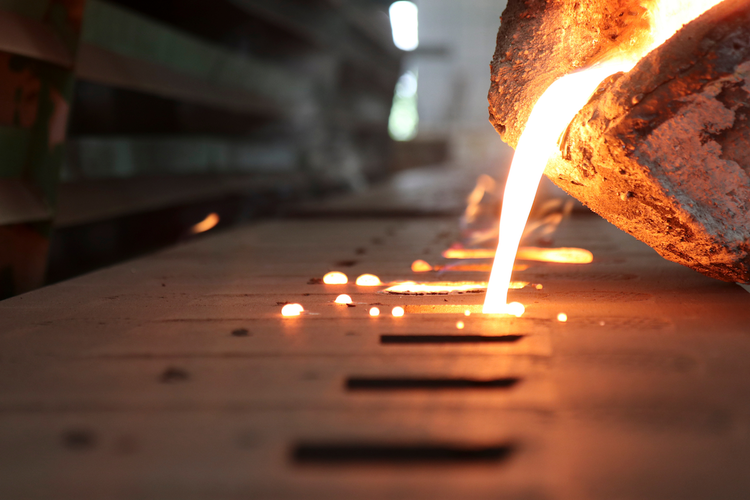
Once the mold is prepared, the casting material is carefully poured into it. Common casting materials include bronze, aluminum, plaster, and resin. Each material offers unique properties that influence the final appearance and durability of the cast sculpture.
After the casting material has solidified and taken the shape of the mold, it is carefully removed to reveal the finished piece. Skilled artisans then refine and finish the cast sculpture through processes such as polishing, patination, or painting to enhance its aesthetic appeal.
Throughout history, casting has been used to create iconic sculptures that adorn museums, public spaces, and private collections around the world. From classical Greek statues to modern abstract artworks, casting continues to be a versatile and enduring method for artists to bring their creative visions to life.
Whether preserving a historical artifact or expressing contemporary ideas through sculpture, casting remains a timeless art form that bridges tradition with innovation in the realm of artistic creation.
The Advantages of Casting: Enhancing Artistic Expression and Preservation
- Allows for the creation of detailed and intricate sculptures.
- Enables artists to produce multiple replicas of their original work.
- Offers a wide range of materials to choose from, including bronze, aluminum, and resin.
- Provides durability and longevity to cast sculptures.
- Allows for the preservation and replication of historical artifacts.
- Facilitates the production of large-scale sculptures that may be challenging to create by hand.
- Offers flexibility in terms of finishing options such as polishing, painting, or patination.
- Can be used to create complex shapes and forms that are difficult to achieve through other methods.
- Provides a versatile method for artists to experiment with different casting techniques and materials.
Challenges of Casting: Technical Complexity, Imperfections, and Time-Intensive Processes
- Complex process requiring technical skill and expertise
- Potential for air bubbles or imperfections in the cast
- Time-consuming and labor-intensive, especially for large-scale projects
Allows for the creation of detailed and intricate sculptures.
The process of casting offers a remarkable advantage by enabling the creation of highly detailed and intricate sculptures. Through the meticulous molding and casting techniques, artists can capture even the most delicate features and textures of their original designs with precision. This level of detail allows for the production of sculptures that showcase intricate patterns, fine textures, and subtle nuances that enhance the overall aesthetic appeal of the artwork. Casting empowers artists to bring their vision to life in a tangible form, preserving every intricate detail and intricacy for viewers to admire and appreciate.
Enables artists to produce multiple replicas of their original work.
Casting offers artists the valuable advantage of being able to produce multiple replicas of their original work with precision and consistency. By creating molds from the original sculpture, artists can replicate their design in various materials such as bronze, resin, or plaster. This ability to mass-produce copies allows artists to reach a wider audience, preserve their artistic legacy, and generate revenue through the sale of limited editions or commissioned pieces. Additionally, casting enables artists to experiment with different finishes and materials while maintaining the integrity of their original vision across multiple iterations.
Offers a wide range of materials to choose from, including bronze, aluminum, and resin.
Casting offers a wide range of materials to choose from, providing artists and craftsmen with the flexibility to select the most suitable medium for their creative vision. Whether opting for the timeless elegance of bronze, the lightweight versatility of aluminum, or the modern durability of resin, each material brings its unique characteristics and aesthetic qualities to the casting process. This variety not only allows for artistic experimentation and innovation but also ensures that the final cast sculpture embodies the desired look, feel, and functionality desired by the creator.
Provides durability and longevity to cast sculptures.
Casting offers a significant advantage by providing durability and longevity to cast sculptures. The materials used in the casting process, such as bronze or resin, are known for their strength and ability to withstand the test of time. This ensures that cast sculptures maintain their integrity and aesthetic appeal for years to come, making them ideal for both indoor and outdoor display. The solid construction of cast sculptures not only enhances their longevity but also preserves the artist’s vision for future generations to appreciate and admire.
Allows for the preservation and replication of historical artifacts.
Casting offers a valuable advantage in the preservation and replication of historical artifacts by enabling accurate reproductions that maintain the integrity and details of the original pieces. Through meticulous molding and casting processes, artisans can create replicas that capture the essence of historical artifacts, allowing for their preservation and wider accessibility for educational or exhibition purposes. This pro of casting ensures that precious relics from the past can be safeguarded for future generations to study, appreciate, and cherish, contributing to the conservation of cultural heritage and the dissemination of historical knowledge.
Facilitates the production of large-scale sculptures that may be challenging to create by hand.
Casting offers a significant advantage in facilitating the production of large-scale sculptures that may be challenging to create by hand. By using molds and casting materials, artists can replicate intricate details and monumental proportions with precision and consistency. This enables sculptors to tackle ambitious projects that require meticulous craftsmanship and structural integrity, ensuring that their artistic vision can be realized on a grand scale. The ability of casting to capture the essence of monumental sculptures while maintaining quality and durability makes it an invaluable technique for artists seeking to push the boundaries of size and complexity in their creations.
Offers flexibility in terms of finishing options such as polishing, painting, or patination.
Casting offers a unique advantage in providing flexibility when it comes to finishing options for sculptures and artworks. Whether it is polishing to achieve a smooth and reflective surface, painting to add vibrant colors and textures, or patination to create aged or oxidized effects, casting allows artists to explore a wide range of finishing techniques to enhance the visual appeal of their creations. This versatility in finishing options not only adds depth and character to the final piece but also allows artists to experiment and express their creativity in diverse ways, making casting a preferred choice for sculptors seeking to achieve specific aesthetic outcomes.
Can be used to create complex shapes and forms that are difficult to achieve through other methods.
The versatility of casting lies in its ability to produce intricate and complex shapes that may be challenging to achieve using other manufacturing methods. By utilizing molds that capture every detail and contour of the original design, casting allows for the replication of intricate forms with precision and accuracy. This capability makes casting an ideal choice for artists, designers, and engineers seeking to bring their innovative and intricate creations to life, ensuring that even the most elaborate shapes can be faithfully reproduced with finesse and sophistication.
Provides a versatile method for artists to experiment with different casting techniques and materials.
Casting offers artists a versatile platform to explore and experiment with various casting techniques and materials, allowing them to push the boundaries of their creativity. From traditional methods using bronze or plaster to modern innovations with resin or silicone, artists have the freedom to choose the most suitable materials for their artistic vision. This flexibility enables artists to achieve different textures, finishes, and effects in their sculptures, opening up a world of possibilities for artistic expression and innovation in the realm of casting.
Complex process requiring technical skill and expertise
Casting, while a versatile and effective method for creating sculptures and objects, presents a significant challenge in its complexity, demanding technical skill and expertise from those involved in the process. The intricate steps involved in casting, from creating precise molds to selecting the appropriate casting materials and techniques, require a deep understanding of the craft. Skilled artisans must possess knowledge of material properties, mold-making techniques, and casting procedures to ensure successful outcomes. Without the necessary technical proficiency, achieving high-quality casts with intricate details can be daunting and may result in subpar results. Thus, the con of casting lies in its demand for specialized skills and expertise to navigate the complexities of this art form effectively.
Potential for air bubbles or imperfections in the cast
Air bubbles or imperfections in the cast are a significant con of the casting process. These flaws can occur during the pouring of the casting material into the mold, leading to trapped air pockets that disrupt the smooth surface of the final piece. Air bubbles can result in weakened areas within the cast, affecting its structural integrity and overall quality. Additionally, imperfections such as surface blemishes or rough textures may require extensive post-casting repairs or refinishing, adding time and cost to the production process. Careful attention to detail and proper techniques are essential to minimize the risk of air bubbles and imperfections in cast sculptures or objects, ensuring a high-quality end result.
Time-consuming and labor-intensive, especially for large-scale projects
One significant drawback of casting is its time-consuming and labor-intensive nature, especially when undertaking large-scale projects. The process of creating molds, pouring the casting material, allowing it to solidify, and then finishing the cast sculpture requires meticulous attention to detail and precision. For larger sculptures or projects, this can result in extended production timelines and increased manpower requirements. The intricate nature of casting also demands skilled artisans who possess expertise in handling the materials and techniques involved, further adding to the labor intensity of the process. Despite its artistic merits, the time and effort required for casting can pose challenges for artists and sculptors aiming to complete ambitious or expansive works.