
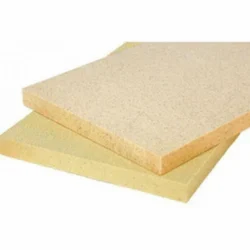
The Role of Polyurethane Foam Manufacturers in Modern Industry
Polyurethane foam is a versatile material used in a wide range of applications, from cushioning in furniture and mattresses to insulation in buildings and appliances. Behind the scenes, polyurethane foam manufacturers play a crucial role in producing this essential material that contributes to comfort, safety, and energy efficiency.
Production Process
Polyurethane foam is typically manufactured through a chemical reaction between polyols and diisocyanates. This process requires precision and expertise to control factors such as temperature, pressure, and mixing ratios to achieve the desired foam properties. Manufacturers invest in advanced equipment and quality control measures to ensure consistency and reliability in their products.
Customization and Innovation
Polyurethane foam manufacturers work closely with their clients to develop customized solutions that meet specific requirements. Whether it’s adjusting the foam density for optimal comfort or enhancing thermal insulation properties for energy efficiency, manufacturers strive to innovate and adapt to evolving market demands.
Sustainability Initiatives
Many polyurethane foam manufacturers are embracing sustainability practices by incorporating recycled materials, reducing waste generation, and optimizing production processes for minimal environmental impact. By prioritizing eco-friendly solutions, these manufacturers contribute to a greener future while meeting the needs of environmentally-conscious consumers.
Quality Assurance
Quality assurance is paramount for polyurethane foam manufacturers to deliver products that meet industry standards and customer expectations. Through rigorous testing procedures and adherence to regulatory requirements, manufacturers ensure that their foams are safe, durable, and compliant with relevant specifications.
Industry Collaboration
Polyurethane foam manufacturers actively engage with other stakeholders in the industry, including raw material suppliers, equipment providers, research institutions, and end-users. This collaborative approach fosters knowledge sharing, technological advancements, and continuous improvement across the entire value chain of polyurethane foam production.
Conclusion
In conclusion, polyurethane foam manufacturers play a vital role in driving innovation, sustainability, and quality within the industry. Their dedication to excellence ensures that polyurethane foams continue to be indispensable materials that enhance everyday products and contribute to a more efficient and comfortable world.
7 Essential Safety Tips for Working with Polyurethane Foam
- Ensure proper ventilation when working with polyurethane foam to avoid inhaling harmful fumes.
- Follow manufacturer’s instructions carefully for mixing and applying polyurethane foam.
- Use appropriate protective gear such as gloves and goggles when handling polyurethane foam.
- Store polyurethane foam containers in a cool, dry place away from direct sunlight and heat sources.
- Dispose of used polyurethane foam properly according to local regulations to prevent environmental damage.
- Regularly inspect equipment used for applying polyurethane foam to ensure proper functioning and safety.
- Train employees on the safe handling and application of polyurethane foam to prevent accidents or injuries.
Ensure proper ventilation when working with polyurethane foam to avoid inhaling harmful fumes.
It is crucial to prioritize proper ventilation when handling polyurethane foam to prevent the inhalation of potentially harmful fumes. Adequate ventilation helps disperse any volatile compounds released during the foam application process, reducing the risk of respiratory issues or discomfort. By ensuring a well-ventilated work environment, individuals working with polyurethane foam can safeguard their health and well-being while maintaining a safe and productive workspace.
Follow manufacturer’s instructions carefully for mixing and applying polyurethane foam.
It is crucial to follow the manufacturer’s instructions meticulously when it comes to mixing and applying polyurethane foam. The correct mixing ratios, application techniques, and safety precautions outlined by the manufacturer are essential for achieving optimal results and ensuring the integrity of the foam product. By adhering to these instructions carefully, users can avoid potential issues such as improper curing, inadequate insulation properties, or safety hazards, ultimately maximizing the performance and longevity of the polyurethane foam.
Use appropriate protective gear such as gloves and goggles when handling polyurethane foam.
It is essential for individuals working with polyurethane foam to prioritize safety by using appropriate protective gear such as gloves and goggles. Handling polyurethane foam can expose workers to chemicals and potential skin or eye irritation. Wearing gloves helps protect the skin from direct contact with the foam, while goggles shield the eyes from any splashes or fumes. By following these safety precautions, workers can minimize risks and ensure a safe working environment when dealing with polyurethane foam.
Store polyurethane foam containers in a cool, dry place away from direct sunlight and heat sources.
It is essential to store polyurethane foam containers in a cool, dry place away from direct sunlight and heat sources to maintain the quality and integrity of the foam. Exposure to high temperatures and sunlight can lead to premature degradation of the material, affecting its performance and durability. By storing polyurethane foam properly, you can ensure that it retains its properties effectively and remains in optimal condition for use in various applications.
Dispose of used polyurethane foam properly according to local regulations to prevent environmental damage.
Proper disposal of used polyurethane foam is crucial to prevent environmental damage. It is important to follow local regulations and guidelines for disposing of polyurethane foam waste responsibly. By adhering to proper disposal practices, such as recycling or disposing of foam materials in designated facilities, we can minimize the impact on the environment and contribute to sustainable waste management practices. Taking these steps ensures that used polyurethane foam does not end up in landfills or water bodies, helping to protect our ecosystems and promote a cleaner, healthier environment for future generations.
Regularly inspect equipment used for applying polyurethane foam to ensure proper functioning and safety.
Regularly inspecting the equipment used for applying polyurethane foam is essential for maintaining optimal performance and ensuring safety in the manufacturing process. By conducting routine checks, manufacturers can identify any potential issues or malfunctions that may compromise the quality of the foam or pose safety risks to workers. Proper functioning equipment not only enhances efficiency and product consistency but also minimizes the likelihood of accidents or breakdowns, ultimately contributing to a productive and secure working environment for all involved in the production of polyurethane foam.
Train employees on the safe handling and application of polyurethane foam to prevent accidents or injuries.
It is essential for polyurethane foam manufacturers to prioritize employee safety by providing thorough training on the proper handling and application of polyurethane foam. By equipping employees with the necessary knowledge and skills, manufacturers can significantly reduce the risk of accidents or injuries in the workplace. Training programs focused on safety protocols, handling procedures, and emergency response measures not only protect employees but also contribute to a more secure and efficient production environment. Investing in employee training demonstrates a commitment to workplace safety and ensures that operations run smoothly while upholding high standards of occupational health and safety.