
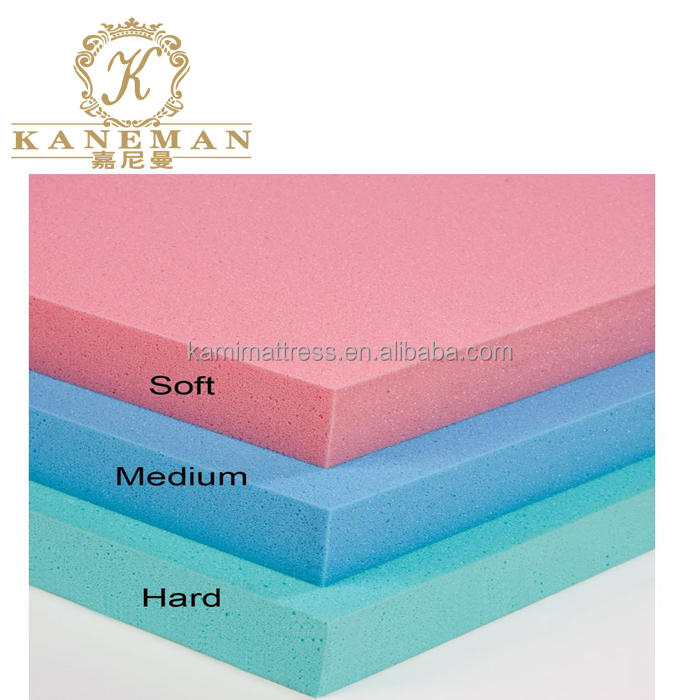
The Importance of Understanding the Density of PU Foam
Polyurethane (PU) foam is a versatile material known for its wide range of applications, from cushioning in furniture to insulation in buildings. One crucial characteristic that greatly influences the performance of PU foam is its density.
What is Density?
Density refers to the mass of a substance per unit volume. In the case of PU foam, density is typically measured in kilograms per cubic meter (kg/m³). It indicates how much material is present within a specific volume of foam.
Impact on Performance
The density of PU foam plays a significant role in determining its properties and performance. Higher-density foams are generally more durable, offer better support, and have improved thermal and acoustic insulation properties. On the other hand, lower-density foams are softer, lighter, and more flexible.
Applications
The choice of PU foam density depends on the intended application. For example, high-density foams are commonly used in mattresses and automotive seating for enhanced comfort and longevity. Medium-density foams find applications in packaging materials and soundproofing solutions. Low-density foams are ideal for applications where flexibility and lightweight characteristics are essential, such as in sports equipment padding.
Manufacturing Considerations
Manufacturers carefully control the density of PU foam during production by adjusting the formulation and processing parameters. This ensures that the final product meets the specific requirements of its intended use.
Conclusion
Understanding the importance of density in PU foam is crucial for selecting the right type of foam for various applications. Whether you need firm support, soft cushioning, or excellent insulation, choosing the appropriate density can make a significant difference in achieving optimal performance.
Understanding PU Foam Density: Answers to 8 Common Questions
- Is 40 density foam good for bed?
- Is PU foam high density?
- What is the density of foam in kg m3?
- What is the density of PU foam sheet?
- What is the density of seat foam in kg m3?
- How to calculate PU foam density?
- What is PU foam density?
- What is the density of PU foam in kg m3?
Is 40 density foam good for bed?
When considering the density of PU foam for a bed, the question of whether 40 density foam is suitable depends on individual preferences and requirements. A density of 40 kg/m³ is considered medium to high density, offering a balance between support and comfort. This type of foam may provide adequate firmness for proper spinal alignment while still offering a degree of softness for a comfortable sleeping surface. Factors such as body weight, sleeping position, and personal comfort preferences should also be taken into account when determining if 40 density foam is ideal for a bed.
Is PU foam high density?
When asking whether PU foam is high density, it’s important to consider that polyurethane foam comes in a range of densities to suit different applications. While PU foam can indeed be manufactured as high density foam, it is also available in medium and low densities. The density of PU foam directly impacts its characteristics and performance, with high-density foams offering greater durability, support, and insulation properties. Therefore, the answer to whether PU foam is high density depends on the specific type of foam being referred to and its intended use.
What is the density of foam in kg m3?
When it comes to the density of foam, it is commonly expressed in kilograms per cubic meter (kg/m³). The density of foam refers to the amount of mass present within a specific volume of the material. This measurement is crucial as it directly impacts the performance and characteristics of the foam. Higher-density foams are known for their durability, support, and insulation properties, making them suitable for applications that require sturdiness. On the other hand, lower-density foams offer softer and more flexible qualities, ideal for applications where lightweight and pliable materials are preferred. Understanding the density of foam in kg/m³ helps in selecting the right type of foam for diverse uses based on specific requirements and performance expectations.
What is the density of PU foam sheet?
When inquiring about the density of a PU foam sheet, it is essential to understand that the density can vary depending on the specific type of PU foam being used. PU foam sheets come in a range of densities, typically measured in kilograms per cubic meter (kg/m³). The density of a PU foam sheet is a key factor that influences its characteristics and performance, such as its firmness, durability, and insulation properties. By knowing the density of the PU foam sheet you are considering, you can make an informed decision based on your requirements for the intended application, whether it be for cushioning, insulation, packaging, or any other purpose.
What is the density of seat foam in kg m3?
When it comes to seat foam, the density is a key factor that influences comfort and durability. The density of seat foam is typically measured in kilograms per cubic meter (kg/m³). Higher-density seat foams are often preferred for their firmness and longevity, providing better support for extended periods of sitting. On the other hand, lower-density seat foams may offer a softer feel but may not be as durable over time. Manufacturers carefully select the appropriate density of seat foam to ensure that it meets the specific requirements of comfort, support, and longevity for different types of seating applications.
How to calculate PU foam density?
To calculate the density of PU foam, you need to measure the mass and volume of the foam sample. First, weigh the foam sample using a scale to determine its mass in grams or kilograms. Next, measure the dimensions of the sample to calculate its volume in cubic centimeters or cubic meters. Once you have both the mass and volume values, divide the mass by the volume to obtain the density of the PU foam in units such as kilograms per cubic meter (kg/m³). This simple calculation allows you to determine the density of PU foam accurately, providing valuable information for selecting the right type of foam for specific applications.
What is PU foam density?
PU foam density refers to the mass of polyurethane foam present within a specific volume, typically measured in kilograms per cubic meter (kg/m³). Understanding PU foam density is essential as it directly impacts the characteristics and performance of the foam. Higher-density PU foams are known for their durability, support, and insulation properties, making them suitable for applications requiring strength and longevity. On the other hand, lower-density PU foams offer softer cushioning and greater flexibility, making them ideal for applications where lightweight and pliable materials are preferred. By knowing the PU foam density, users can make informed decisions when selecting the appropriate type of foam for their specific needs.
What is the density of PU foam in kg m3?
When inquiring about the density of PU foam in kilograms per cubic meter (kg/m³), it is essential to understand that the density of PU foam can vary depending on its intended application and specific formulation. Generally, PU foam densities range from as low as 10 kg/m³ for lightweight and flexible foams to over 100 kg/m³ for denser and more supportive varieties. The choice of foam density is crucial as it directly impacts the performance characteristics of the material, such as durability, comfort, insulation properties, and flexibility. Manufacturers carefully tailor the density of PU foam to meet the requirements of diverse industries ranging from furniture and bedding to automotive and construction, ensuring that each application benefits from the optimal balance of weight, strength, and functionality.