
Expanding Urethane Foam: A Versatile Solution for Various Applications
Urethane foam, also known as polyurethane foam, is a versatile material that has found its way into a wide range of applications due to its unique properties and characteristics. One of the key features of urethane foam is its ability to expand and fill up spaces, making it an ideal choice for various industries.
Construction Industry
In the construction industry, expanding urethane foam is commonly used for insulation purposes. Its ability to expand and conform to irregular shapes makes it an excellent choice for sealing gaps and cracks in buildings, providing thermal insulation and improving energy efficiency.
Automotive Sector
Automobile manufacturers utilize expanding urethane foam in the production of car seats, headrests, bumpers, and other components. The foam’s lightweight nature, durability, and impact resistance make it a preferred material for enhancing comfort and safety in vehicles.
Furniture Manufacturing
Furniture makers often rely on expanding urethane foam for cushioning and padding in sofas, chairs, mattresses, and other upholstery products. The foam’s ability to expand uniformly ensures consistent comfort levels and long-lasting support for users.
Packaging Industry
In the packaging industry, expanding urethane foam is used for protective packaging solutions. By customizing the expansion process, manufacturers can create cushioning materials that securely hold fragile items during shipping and handling, reducing the risk of damage.
Conclusion
The versatility of expanding urethane foam makes it a valuable material across various industries. Its unique properties enable manufacturers to create innovative products that meet specific requirements for insulation, comfort, safety, and protection. As technology advances and new applications emerge, expanding urethane foam continues to play a crucial role in shaping modern manufacturing processes.
Frequently Asked Questions About Expanding Urethane Foam: Applications, Benefits, and Usage
- What is expanding urethane foam?
- How does expanding urethane foam work?
- What are the common applications of expanding urethane foam?
- Is expanding urethane foam environmentally friendly?
- What are the advantages of using expanding urethane foam in construction?
- Can expanding urethane foam be used for insulation purposes?
- How durable is expanding urethane foam?
- Are there different types of expanding urethane foams available in the market?
- Is expanding urethane foam easy to use for DIY projects?
What is expanding urethane foam?
Expanding urethane foam is a versatile material known for its ability to expand and fill up spaces, making it a popular choice across various industries. This foam, also referred to as polyurethane foam, is commonly used for insulation, cushioning, and packaging purposes due to its unique properties. When activated, expanding urethane foam expands rapidly to conform to irregular shapes and seal gaps effectively. Its lightweight nature, durability, and thermal insulation capabilities make it an ideal solution for applications in construction, automotive manufacturing, furniture production, and packaging industries.
How does expanding urethane foam work?
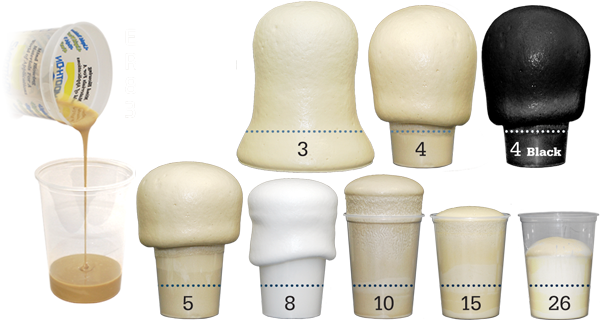
Expanding urethane foam works through a chemical reaction that occurs when two components, typically a polyol and an isocyanate, are mixed together. This mixture triggers a foaming process where the liquid expands and transforms into a solid foam material. The expansion occurs as the foam reacts with moisture in the air, causing it to increase in volume and fill up the desired space or mold. The speed and extent of expansion can be controlled by adjusting factors such as temperature, humidity, and the ratio of the two components. Once fully expanded and cured, the urethane foam forms a lightweight, durable, and versatile material that finds applications in insulation, cushioning, packaging, and various other industries.
What are the common applications of expanding urethane foam?
Expanding urethane foam finds widespread applications across various industries due to its versatile nature and unique properties. Common uses of expanding urethane foam include insulation in the construction industry, where it effectively seals gaps and cracks to enhance energy efficiency. In the automotive sector, it is utilized for manufacturing car seats, headrests, and bumpers, providing comfort and safety features. Furniture makers rely on expanding urethane foam for cushioning in sofas, chairs, and mattresses to ensure consistent support and comfort. Additionally, the packaging industry utilizes this foam for protective packaging solutions to safeguard fragile items during transportation. The adaptability and reliability of expanding urethane foam make it a preferred choice in diverse applications where filling gaps, providing insulation, cushioning, or protection is essential.
Is expanding urethane foam environmentally friendly?
Expanding urethane foam is a material that raises questions about its environmental impact due to its chemical composition and production process. While urethane foam itself is not biodegradable and can release volatile organic compounds (VOCs) during manufacturing, efforts are being made to develop more eco-friendly formulations and production methods. Some manufacturers are exploring the use of renewable or recycled materials in urethane foam production to reduce its environmental footprint. Additionally, proper disposal practices and recycling initiatives can help mitigate the environmental concerns associated with expanding urethane foam, making it a more sustainable choice for various applications when managed responsibly.
What are the advantages of using expanding urethane foam in construction?
Using expanding urethane foam in construction offers several advantages that make it a popular choice for various applications. One key benefit is its ability to effectively seal gaps and cracks, providing superior insulation that helps improve energy efficiency in buildings. The foam’s expansion properties allow it to conform to irregular surfaces, ensuring a tight seal and preventing air leakage. Additionally, expanding urethane foam is lightweight, durable, and moisture-resistant, making it a reliable solution for enhancing the structural integrity and longevity of construction projects. Overall, the versatility and performance of expanding urethane foam make it an invaluable material for achieving optimal insulation and sealing in construction applications.
Can expanding urethane foam be used for insulation purposes?
Expanding urethane foam is commonly used for insulation purposes due to its unique properties. Its ability to expand and fill up gaps and voids makes it an excellent choice for sealing cracks in buildings, providing thermal insulation, and improving energy efficiency. The foam’s versatility allows it to conform to irregular shapes, ensuring a tight seal that prevents heat loss or gain. Whether used in residential, commercial, or industrial settings, expanding urethane foam serves as an effective insulation solution that helps maintain comfortable indoor temperatures while reducing energy costs.
How durable is expanding urethane foam?
One frequently asked question about expanding urethane foam is its durability. Expanding urethane foam is known for its exceptional durability, making it a reliable choice for a wide range of applications. Its strong molecular structure and resistance to wear and tear ensure that products made with expanding urethane foam maintain their integrity over time. Whether used in construction, automotive, furniture, or packaging industries, expanding urethane foam demonstrates longevity and performance, contributing to the overall quality and longevity of the end products.
Are there different types of expanding urethane foams available in the market?
When it comes to expanding urethane foam, there are indeed different types available in the market to cater to various needs and applications. These types can vary based on factors such as density, flexibility, curing time, and thermal insulation properties. Some common variations include low-density foams for lightweight applications, high-density foams for structural support, flexible foams for cushioning purposes, and closed-cell foams for moisture resistance. Each type of expanding urethane foam offers unique characteristics that make them suitable for specific uses, providing manufacturers and consumers with a range of options to choose from based on their requirements.
Is expanding urethane foam easy to use for DIY projects?
Is expanding urethane foam easy to use for DIY projects?
Expanding urethane foam can be a convenient and versatile option for DIY projects, but it requires careful handling and proper application techniques to achieve desired results. While the foam’s expansion properties make it suitable for filling gaps, insulating spaces, or creating custom shapes, users must follow instructions closely to avoid overexpansion or messy spills. It is essential to wear protective gear, work in a well-ventilated area, and practice precision when dispensing the foam. With attention to detail and practice, DIY enthusiasts can harness the benefits of expanding urethane foam effectively in their projects.