
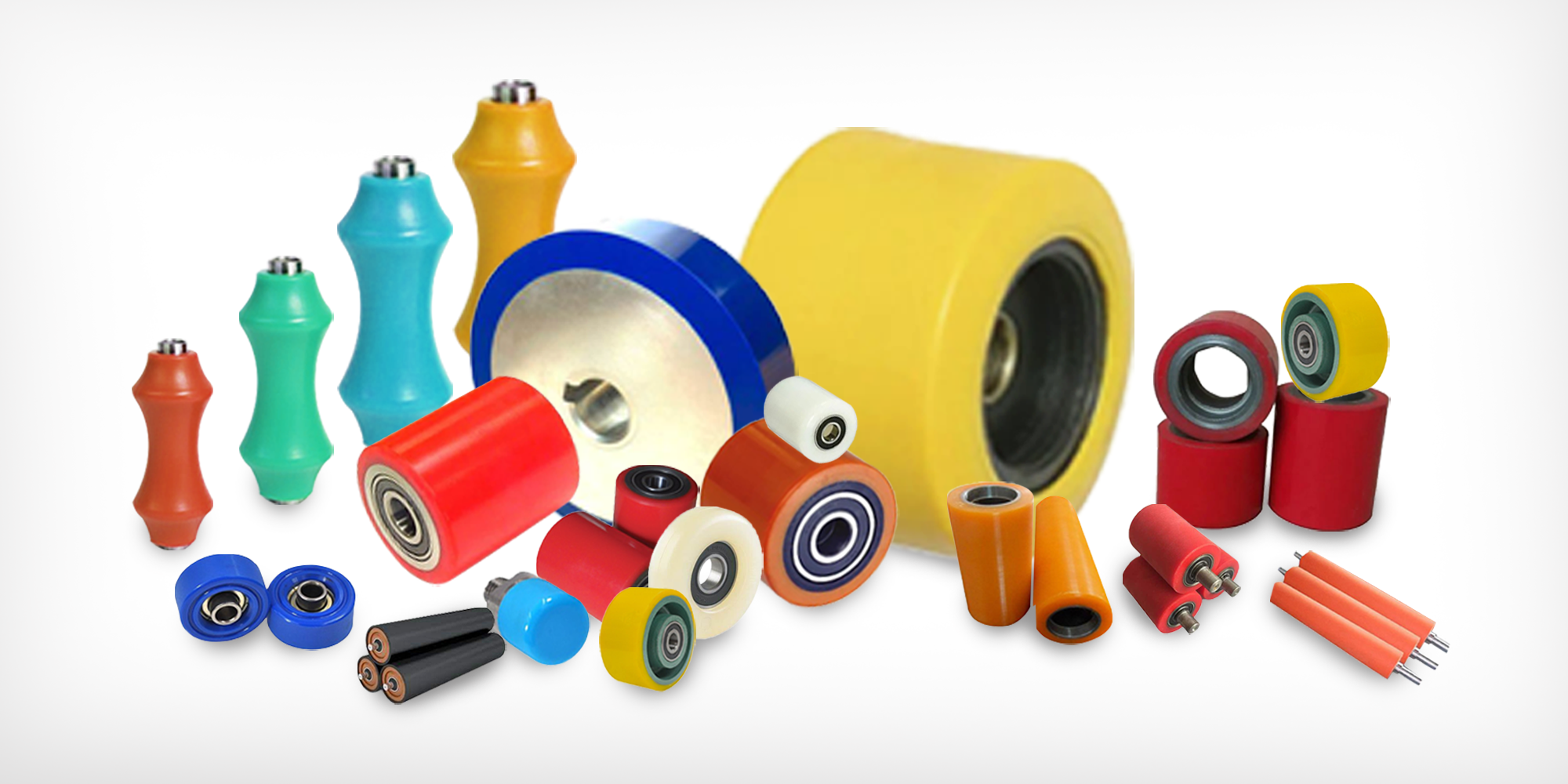
The Versatile World of Polyurethane Rubber
Polyurethane rubber, often referred to as PU rubber, is a versatile material known for its exceptional properties and wide range of applications. It is a type of synthetic polymer that combines the flexibility of rubber with the durability of plastic, making it ideal for various industries and products.
Properties of Polyurethane Rubber
One of the key characteristics of polyurethane rubber is its excellent abrasion resistance, which makes it suitable for use in demanding environments where wear and tear are common. It also offers high elasticity, tear strength, and load-bearing capacity, allowing it to withstand heavy loads without deforming.
Applications of Polyurethane Rubber
Polyurethane rubber finds applications in diverse industries such as automotive, construction, electronics, and healthcare. In the automotive sector, it is used for manufacturing parts like seals, gaskets, suspension bushings, and tires due to its resilience and ability to dampen vibrations. In construction, polyurethane rubber is utilized for creating durable coatings, adhesives, and sealants that provide protection against harsh weather conditions.
Advantages of Polyurethane Rubber
Compared to traditional rubber materials, polyurethane rubber offers several advantages such as improved resistance to oils, chemicals, and UV radiation. It can be formulated to have specific hardness levels ranging from soft elastomers to rigid plastics. Additionally, polyurethane rubber can be easily molded into complex shapes with precision.
Future Prospects
The demand for polyurethane rubber continues to grow as industries seek innovative solutions that enhance performance and longevity. With ongoing research and development efforts focusing on improving its properties further, polyurethane rubber is poised to play a significant role in shaping the future of materials science.
In conclusion, polyurethane rubber stands out as a remarkable material that offers a unique combination of resilience, versatility, and durability. Its diverse applications across various sectors underscore its importance in modern manufacturing processes.
Exploring Polyurethane Rubber: Properties, Applications, and Future Prospects
- What is polyurethane rubber?
- What are the properties of polyurethane rubber?
- How is polyurethane rubber different from traditional rubber?
- What are the common applications of polyurethane rubber?
- What are the advantages of using polyurethane rubber?
- Is polyurethane rubber resistant to chemicals and oils?
- Can polyurethane rubber be molded into complex shapes?
- What is the future outlook for the use of polyurethane rubber?
What is polyurethane rubber?
Polyurethane rubber is a versatile material that combines the flexibility of rubber with the durability of plastic. It is a synthetic polymer known for its exceptional properties, including high abrasion resistance, elasticity, tear strength, and load-bearing capacity. Polyurethane rubber finds applications in industries such as automotive, construction, electronics, and healthcare due to its ability to withstand wear and tear in demanding environments. With advantages such as resistance to oils, chemicals, and UV radiation, polyurethane rubber can be tailored to have specific hardness levels and molded into complex shapes with precision. Its unique characteristics make it a valuable material for a wide range of products and industrial uses.
What are the properties of polyurethane rubber?
Polyurethane rubber is prized for its exceptional properties that set it apart from traditional rubber materials. Known for its outstanding abrasion resistance, polyurethane rubber can withstand wear and tear in challenging environments. It also boasts high elasticity, tear strength, and load-bearing capacity, making it ideal for applications requiring durability and flexibility. Additionally, polyurethane rubber offers improved resistance to oils, chemicals, and UV radiation compared to conventional rubbers. Its ability to be customized with varying hardness levels and molded into intricate shapes makes it a versatile choice for a wide range of industries seeking high-performance materials.
How is polyurethane rubber different from traditional rubber?
Polyurethane rubber differs from traditional rubber in several key aspects. While traditional rubber is a natural material derived from plants or synthetic rubber produced from petroleum-based sources, polyurethane rubber is a synthetic polymer created through a chemical reaction between polyols and diisocyanates. This process allows for greater control over the material’s properties, resulting in polyurethane rubber having enhanced abrasion resistance, elasticity, and load-bearing capacity compared to traditional rubber. Additionally, polyurethane rubber can be formulated to exhibit specific hardness levels and tailored characteristics to suit diverse applications, making it a versatile choice for industries seeking durable and high-performance materials.
What are the common applications of polyurethane rubber?
Polyurethane rubber is widely used across various industries due to its exceptional properties and versatility. Common applications of polyurethane rubber include manufacturing automotive parts like seals, gaskets, suspension bushings, and tires for their resilience and vibration-dampening capabilities. In the construction sector, it is utilized for creating durable coatings, adhesives, and sealants that provide protection against harsh environmental conditions. Additionally, polyurethane rubber finds applications in electronics for producing protective casings and components that require flexibility and impact resistance. Its ability to withstand abrasion and offer high elasticity makes it a preferred choice in healthcare for producing medical devices, prosthetics, and equipment components. The diverse range of applications underscores the importance of polyurethane rubber in modern industrial processes.
What are the advantages of using polyurethane rubber?
Polyurethane rubber offers a multitude of advantages that make it a preferred choice in various industries. One key advantage is its exceptional abrasion resistance, ensuring longevity and durability in high-wear applications. Additionally, polyurethane rubber exhibits high elasticity and tear strength, allowing it to withstand heavy loads and harsh conditions without compromising performance. Its resistance to oils, chemicals, and UV radiation further enhances its suitability for diverse environments. Moreover, the material can be customized to achieve specific hardness levels and molded into intricate shapes with precision. These qualities collectively make polyurethane rubber a versatile solution that enhances product performance and longevity across different sectors.
Is polyurethane rubber resistant to chemicals and oils?
Yes, polyurethane rubber is known for its excellent resistance to chemicals and oils. This property makes it a preferred material for applications where exposure to harsh substances is common. Polyurethane rubber can withstand the effects of various chemicals, including acids, alkalis, solvents, and fuels, without deteriorating or losing its integrity. Its ability to maintain structural stability in the presence of oils and chemicals makes it a reliable choice for industries such as automotive, manufacturing, and construction where durability and resistance are essential.
Can polyurethane rubber be molded into complex shapes?
Polyurethane rubber is highly versatile and can indeed be molded into complex shapes with precision. This characteristic sets it apart from traditional rubber materials, allowing for the creation of intricate designs and customized components. The molding process for polyurethane rubber involves heating the material to a liquid state, then pouring or injecting it into molds that define the desired shape. Once cooled and cured, the polyurethane rubber retains its form, making it ideal for applications where intricate geometries or specific dimensions are required. This capability to mold into complex shapes makes polyurethane rubber a preferred choice in industries such as automotive, aerospace, and healthcare where tailored components are essential for optimal performance.
What is the future outlook for the use of polyurethane rubber?
The future outlook for the use of polyurethane rubber appears promising as industries increasingly recognize its exceptional properties and versatility. With ongoing advancements in material science and technology, polyurethane rubber is expected to witness continued growth in various applications across sectors such as automotive, construction, electronics, and healthcare. Its ability to offer superior abrasion resistance, elasticity, and durability makes it a preferred choice for manufacturers seeking high-performance solutions. As research and development efforts focus on enhancing its properties further, the future of polyurethane rubber looks bright, with potential for innovation and expansion into new areas of use.