
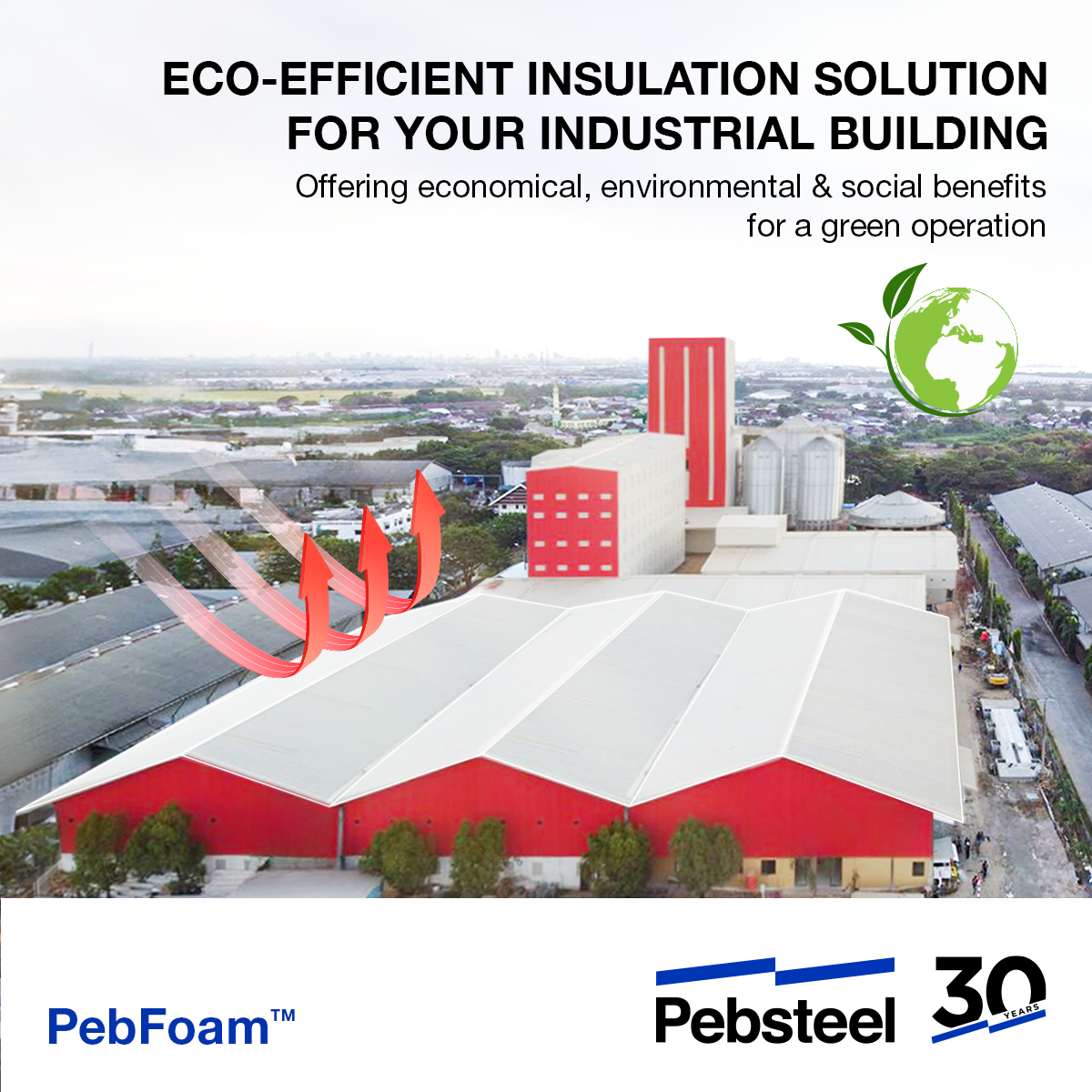
The Importance of Insulation Solutions
Insulation plays a crucial role in maintaining comfortable indoor temperatures, reducing energy consumption, and enhancing the overall efficiency of buildings. An effective insulation solution is essential for both residential and commercial structures to ensure optimal thermal performance.
Benefits of Insulation
Proper insulation helps in keeping the interior spaces cool during hot weather and warm during cold weather. By minimizing heat transfer through walls, roofs, and floors, insulation reduces the need for heating and cooling systems, resulting in lower energy bills and reduced carbon footprint.
Types of Insulation
There are various types of insulation materials available, including fiberglass, foam, cellulose, and mineral wool. Each type has its unique properties and applications, allowing builders and homeowners to choose the most suitable option based on factors such as cost, R-value, and installation requirements.
Choosing the Right Insulation Solution
When selecting an insulation solution for a building project, it is important to consider factors such as climate conditions, building design, budget constraints, and sustainability goals. Consulting with insulation experts can help in determining the most effective solution that meets specific requirements.
Installation and Maintenance
Proper installation of insulation is critical to ensure its effectiveness. Regular maintenance checks should be conducted to identify any issues such as gaps or damage that may compromise the insulation’s performance. Timely repairs or replacements can help in preserving the integrity of the insulation solution.
Conclusion
In conclusion, investing in a quality insulation solution is a wise decision for any building project. Not only does it contribute to energy efficiency and cost savings, but it also enhances comfort levels for occupants. By understanding the importance of insulation solutions and choosing the right option, builders can create sustainable and resilient structures for the future.
8 Essential Tips for Optimal Insulation Solutions
- Ensure proper sealing of gaps and cracks to prevent air leakage.
- Choose insulation materials with high R-values for better thermal resistance.
- Consider the climate and location when selecting insulation types and thicknesses.
- Install insulation properly to maximize its effectiveness and performance.
- Use reflective barriers in attics or roofs to reduce heat transfer through radiation.
- Insulate hot water pipes to prevent heat loss and save energy on heating water.
- Regularly inspect insulation for damage or wear and tear, and repair as needed.
- Consult with professionals for advice on the most suitable insulation solution for your specific needs.
Ensure proper sealing of gaps and cracks to prevent air leakage.
Proper sealing of gaps and cracks is essential to prevent air leakage in an insulation solution. By ensuring that all openings are effectively sealed, you can maintain the integrity of the insulation barrier and maximize its thermal performance. Air leakage can significantly reduce the efficiency of insulation and lead to energy wastage. Therefore, paying attention to sealing gaps and cracks is a crucial step in creating an effective and sustainable insulation solution for buildings.
Choose insulation materials with high R-values for better thermal resistance.
When selecting insulation materials for your building project, it is crucial to choose options with high R-values to ensure superior thermal resistance. The R-value indicates the material’s ability to resist heat flow, with higher values indicating better insulation performance. By opting for materials with high R-values, you can enhance the energy efficiency of your structure, reduce heat transfer, and create a more comfortable indoor environment. Investing in insulation solutions with superior thermal resistance not only helps in lowering energy costs but also contributes to sustainable building practices.
Consider the climate and location when selecting insulation types and thicknesses.
When choosing insulation types and thicknesses for a building project, it is essential to consider the climate and location where the structure is situated. The environmental conditions, such as temperature variations and humidity levels, play a significant role in determining the effectiveness of insulation. By selecting the appropriate insulation materials and ensuring the right thickness based on the specific climate requirements, builders can optimize energy efficiency and thermal performance, leading to a comfortable indoor environment and reduced energy costs.
Install insulation properly to maximize its effectiveness and performance.
Proper installation of insulation is crucial to maximize its effectiveness and performance. Ensuring that insulation is installed correctly helps in preventing heat transfer, maintaining consistent indoor temperatures, and reducing energy consumption. By following recommended installation techniques and addressing any gaps or air leaks, the insulation solution can function optimally, providing long-term benefits in terms of energy savings and comfort levels within the building. Investing time and effort in proper installation pays off by enhancing the overall efficiency and effectiveness of the insulation solution.
Use reflective barriers in attics or roofs to reduce heat transfer through radiation.
One effective tip for improving insulation solutions is to incorporate reflective barriers in attics or roofs to reduce heat transfer through radiation. By installing reflective materials that bounce back radiant heat, such as radiant barriers or reflective foil insulation, homeowners can significantly decrease the amount of heat entering or escaping the living spaces. This simple yet efficient technique helps in maintaining consistent indoor temperatures, enhancing energy efficiency, and ultimately lowering heating and cooling costs.
Insulate hot water pipes to prevent heat loss and save energy on heating water.
Insulating hot water pipes is a simple yet effective tip to prevent heat loss and save energy on heating water. By wrapping the pipes with insulation material, you can reduce the amount of heat lost as hot water travels from the heater to the faucets. This not only helps in maintaining the water temperature for a longer period but also minimizes the need for continuous reheating, leading to energy savings and lower utility bills. Insulating hot water pipes is a cost-efficient way to improve the overall efficiency of your water heating system while promoting sustainable practices.
Regularly inspect insulation for damage or wear and tear, and repair as needed.
Regularly inspecting insulation for damage or wear and tear is a crucial maintenance tip to ensure its effectiveness in providing thermal comfort and energy efficiency. By identifying any issues such as gaps, compression, or moisture damage, property owners can address them promptly to prevent heat loss or air leakage. Repairing damaged insulation helps maintain its integrity and prolongs its lifespan, ultimately optimizing the performance of the insulation solution and contributing to long-term cost savings on energy bills.
Consult with professionals for advice on the most suitable insulation solution for your specific needs.
Consulting with professionals for advice on the most suitable insulation solution for your specific needs is a valuable tip to ensure optimal thermal performance and energy efficiency in your building. Insulation experts can provide guidance on selecting the right type of insulation material, considering factors such as climate conditions, building design, and budget constraints. Their expertise can help you make informed decisions that align with your sustainability goals and long-term benefits. By seeking professional advice, you can enhance the effectiveness of your insulation solution and create a comfortable and energy-efficient environment for occupants.