
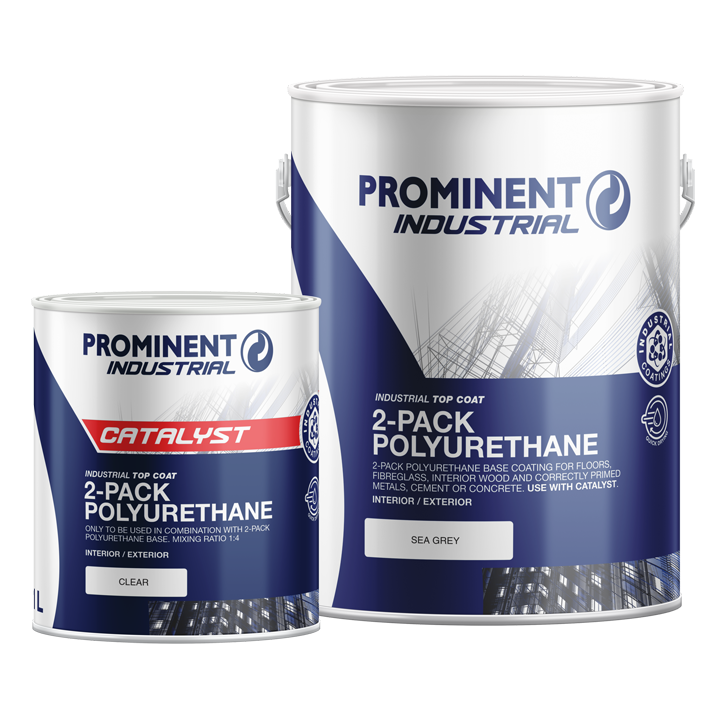
The Versatile World of Polyurethane Paint
Polyurethane paint, a type of coating known for its durability and versatility, has become a popular choice in various industries and applications. Whether used for automotive finishes, industrial coatings, or even DIY projects, polyurethane paint offers a range of benefits that make it stand out from other types of paints.
Key Features of Polyurethane Paint
Polyurethane paint is prized for its exceptional resistance to abrasion, chemicals, and weathering. It provides a tough finish that can withstand harsh conditions, making it ideal for outdoor use and high-traffic areas. Additionally, polyurethane paint is available in a wide range of colors and finishes, allowing for endless design possibilities.
Applications of Polyurethane Paint
In the automotive industry, polyurethane paint is commonly used for vehicle exteriors due to its ability to create a glossy and long-lasting finish. In industrial settings, polyurethane coatings are applied to machinery, equipment, and structures to protect them from corrosion and wear. Homeowners also appreciate the versatility of polyurethane paint for furniture refinishing and interior decor projects.
Advantages of Using Polyurethane Paint
One of the main advantages of polyurethane paint is its longevity. With proper application and maintenance, polyurethane-coated surfaces can retain their appearance and protective qualities for years. Additionally, polyurethane paint dries quickly and cures to a hard finish that resists chipping and peeling.
Environmental Considerations
While polyurethane paint offers many benefits in terms of performance and aesthetics, it is important to consider its environmental impact. Some formulations of polyurethane coatings may contain volatile organic compounds (VOCs), which can contribute to air pollution. To address this concern, manufacturers are developing low-VOC and water-based alternatives that provide eco-friendly options without compromising on quality.
Conclusion
Polyurethane paint continues to be a preferred choice for professionals and DIY enthusiasts alike due to its durability, versatility, and aesthetic appeal. As technology advances and environmental awareness grows, the development of sustainable polyurethane coatings ensures that this versatile product will remain an essential component in the world of paints and coatings.
Understanding Polyurethane Paint: Benefits, Durability, Versatility, and Eco-Friendly Options
- What are the benefits of using polyurethane paint?
- How long does polyurethane paint last?
- Is polyurethane paint suitable for outdoor applications?
- Can polyurethane paint be used on different surfaces?
- Are there eco-friendly options for polyurethane paint?
What are the benefits of using polyurethane paint?
When considering the benefits of using polyurethane paint, it becomes evident that this versatile coating offers a multitude of advantages. Polyurethane paint is renowned for its exceptional durability, providing long-lasting protection against abrasion, chemicals, and weathering. Its ability to create a tough finish makes it ideal for various applications, from automotive coatings to industrial finishes. Additionally, polyurethane paint comes in a wide range of colors and finishes, allowing for endless design possibilities. With its quick drying time and resistance to chipping and peeling, polyurethane paint stands out as a reliable choice for those seeking a high-performance coating solution that not only enhances the aesthetics but also ensures lasting quality and protection.
How long does polyurethane paint last?
One of the frequently asked questions about polyurethane paint is regarding its longevity and durability. The lifespan of polyurethane paint largely depends on factors such as the quality of the paint, the surface it is applied to, and the environmental conditions it is exposed to. Generally, well-applied polyurethane paint can last for several years, providing a tough and protective finish that resists abrasion, chemicals, and weathering. Proper maintenance and periodic touch-ups can further extend the lifespan of polyurethane-coated surfaces, ensuring that they maintain their appearance and protective properties for an extended period.
Is polyurethane paint suitable for outdoor applications?
Polyurethane paint is highly suitable for outdoor applications due to its exceptional durability and weather resistance. Its tough finish can withstand exposure to harsh environmental elements such as sunlight, rain, and temperature fluctuations. Whether used on outdoor furniture, metal structures, or automotive exteriors, polyurethane paint provides long-lasting protection against abrasion and corrosion. With proper application and maintenance, polyurethane coatings can maintain their integrity and appearance even in challenging outdoor conditions, making them a reliable choice for various exterior surfaces.
Can polyurethane paint be used on different surfaces?
Polyurethane paint is known for its versatility and ability to adhere to a wide range of surfaces, making it a popular choice for various applications. Whether you need to coat wood, metal, plastic, or concrete surfaces, polyurethane paint can provide a durable and protective finish. Its strong adhesion properties allow it to create a seamless layer that resists abrasion, chemicals, and weathering on different substrates. With proper surface preparation and application techniques, polyurethane paint can transform and enhance the appearance of diverse surfaces while providing long-lasting protection.
Are there eco-friendly options for polyurethane paint?
In response to the frequently asked question about eco-friendly options for polyurethane paint, it is worth noting that manufacturers are increasingly developing formulations that address environmental concerns. There are now low-VOC (volatile organic compound) and water-based alternatives to traditional polyurethane coatings, offering a more sustainable choice for those seeking eco-friendly options. These environmentally conscious polyurethane paints provide a reduced impact on air quality without compromising on performance or durability. By opting for these eco-friendly alternatives, consumers can contribute to efforts towards promoting sustainability in the paint industry while still enjoying the benefits of polyurethane paint’s versatility and protective qualities.