
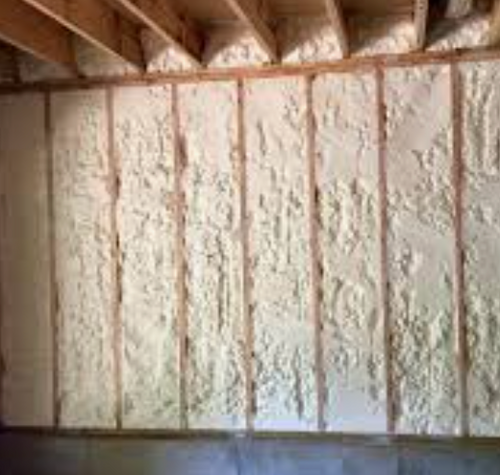
The Benefits of Foam Insulation for Your Home
When it comes to insulating your home, foam insulation is a popular choice that offers a range of benefits. Foam insulation is a versatile material that can be used in various areas of your house to improve energy efficiency and comfort. Here are some reasons why foam insulation is worth considering:
Superior Insulation
Foam insulation provides better insulation compared to traditional materials like fiberglass or cellulose. It creates an air-tight seal that helps prevent heat transfer, keeping your home cooler in the summer and warmer in the winter.
Energy Savings
By reducing heat loss and gain, foam insulation can help lower your energy bills. With improved thermal efficiency, your heating and cooling systems won’t have to work as hard to maintain a comfortable temperature inside your home.
Moisture Resistance
Foam insulation is resistant to moisture, making it ideal for areas prone to high humidity or water exposure. It helps prevent mold growth and water damage, protecting the structural integrity of your home.
Noise Reduction
In addition to thermal benefits, foam insulation also acts as a sound barrier, reducing noise transmission from outside or between rooms within your home. This can create a quieter and more peaceful living environment.
Longevity
Foam insulation is durable and long-lasting, providing reliable performance for many years without the need for frequent replacements. It can help increase the overall lifespan of your home’s insulation system.
Consider investing in foam insulation for your home to enjoy these benefits and create a more energy-efficient and comfortable living space.
Understanding Foam Insulation: Common Questions Answered
- What does insulator foam do?
- Which foam is used for insulation?
- What is the foam insulation?
- How much does it cost to spray foam for 1000 square feet?
- Is foam insulation better than fiberglass?
What does insulator foam do?
Insulator foam, also known as foam insulation, plays a crucial role in improving the energy efficiency and comfort of buildings. Its primary function is to create a thermal barrier that helps regulate indoor temperatures by reducing heat transfer. Insulator foam effectively seals gaps and cracks in walls, ceilings, and floors, preventing air leakage and maintaining a consistent temperature inside the building. By minimizing heat loss in winter and heat gain in summer, insulator foam helps lower energy consumption and utility costs. Additionally, insulator foam can also provide sound insulation properties, enhancing the acoustic comfort of a space by reducing noise transmission. Overall, insulator foam is a versatile material that offers both thermal and acoustic benefits for residential and commercial buildings.
Which foam is used for insulation?
Foam insulation typically uses two main types of foam: polyurethane foam and polystyrene foam. Polyurethane foam is a versatile material that expands to fill gaps and create a seamless barrier against heat transfer. It is commonly used in spray foam insulation applications for its excellent insulating properties. Polystyrene foam, including expanded polystyrene (EPS) and extruded polystyrene (XPS), is another popular choice for insulation due to its lightweight nature and high thermal resistance. These foams are often used in rigid board insulation to provide effective thermal protection for buildings. Both polyurethane and polystyrene foams offer different benefits and are chosen based on specific project requirements and budget considerations.
What is the foam insulation?
Foam insulation is a type of insulation material that is commonly used in buildings to improve energy efficiency and thermal comfort. It is typically made from polymers such as polyurethane, polystyrene, or polyisocyanurate, which are formed into a foam-like structure. Foam insulation works by creating a barrier that helps prevent heat transfer between the interior and exterior of a building. This helps maintain a consistent temperature inside the building, reducing the need for heating or cooling systems to work harder. Foam insulation can come in various forms, including spray foam, rigid foam boards, and foam panels, offering flexibility in application and effectiveness in different areas of a structure.
How much does it cost to spray foam for 1000 square feet?
When considering the cost of spray foam insulation for a 1000 square feet area, several factors come into play that can influence the overall price. The cost of spray foam insulation is typically calculated based on factors such as the type of foam used, the thickness of insulation required, labor costs, and any additional materials needed for installation. On average, the cost of spray foam insulation for 1000 square feet can range from INR 50,000 to INR 1,00,000 or more, depending on these variables. It is recommended to obtain quotes from reputable insulation contractors to get a more accurate estimate tailored to your specific needs and budget.
Is foam insulation better than fiberglass?
One frequently asked question regarding insulation is whether foam insulation is better than fiberglass. While both materials have their advantages, foam insulation often outperforms fiberglass in several key areas. Foam insulation provides superior thermal performance by creating a seamless air barrier that helps prevent heat transfer, resulting in improved energy efficiency and lower utility bills. Additionally, foam insulation offers better moisture resistance and can effectively reduce noise transmission, enhancing the overall comfort of your living space. While fiberglass insulation is a more cost-effective option initially, the long-term benefits of foam insulation in terms of energy savings and durability make it a compelling choice for many homeowners seeking high-performance insulation solutions.