
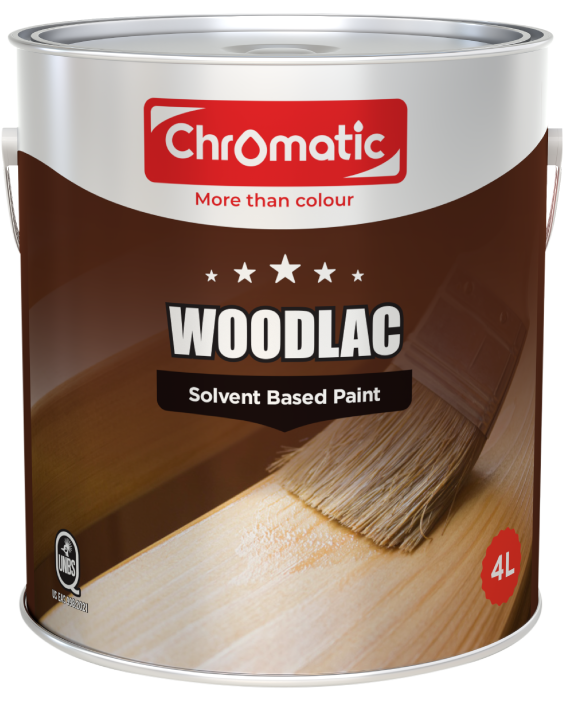
The Versatile Duo: Paint and Polyurethane
Paint and polyurethane are two essential materials that play a significant role in protecting and enhancing various surfaces. While both are commonly used for finishing applications, they have distinct characteristics and applications that make them versatile in different ways.
Paint:
Paint is a liquid substance that, when applied to a surface, forms a protective and decorative layer. It comes in various types such as oil-based, water-based, enamel, acrylic, and more. Paint can be used on walls, furniture, metal surfaces, and other substrates to provide color, texture, and protection against environmental elements.
Polyurethane:
Polyurethane is a synthetic material known for its durability and versatility. It is commonly used as a protective coating for surfaces that require high resistance to abrasion, chemicals, moisture, and UV exposure. Polyurethane coatings can be clear or pigmented and are often applied to wood floors, furniture, automotive parts, and industrial equipment.
The Combination:
When paint and polyurethane are combined in a finishing system, they offer enhanced protection and aesthetics. For example, painting a surface with a color coat followed by a polyurethane topcoat can provide both vibrant coloration and long-lasting durability. The polyurethane layer acts as a shield against wear and tear while preserving the beauty of the painted surface.
Applications:
The combination of paint and polyurethane finds applications in various industries such as construction, automotive, furniture manufacturing, marine coatings, and more. Whether it’s protecting wooden decks from weathering or adding a glossy finish to metal structures, the duo of paint and polyurethane offers endless possibilities for creative expression and functional performance.
Conclusion:
In conclusion, paint and polyurethane are indispensable materials that work hand in hand to beautify and safeguard surfaces. Their unique properties complement each other to create finishes that are not only visually appealing but also durable against external factors. By understanding the strengths of both materials and utilizing them effectively in combination, one can achieve outstanding results in surface finishing applications.
7 Essential Tips for Perfectly Applying Paint and Polyurethane
- Prepare the surface by sanding and cleaning it thoroughly before applying paint or polyurethane.
- Use a high-quality brush or roller for a smoother application of paint or polyurethane.
- Apply multiple thin coats of paint or polyurethane rather than one thick coat for better results.
- Allow each coat to dry completely before applying the next layer of paint or polyurethane.
- Ventilate the area well when working with paint or polyurethane to avoid inhaling fumes.
- Follow the manufacturer’s instructions regarding drying times and recommended application methods for paint and polyurethane.
- Store leftover paint and polyurethane properly in sealed containers to prevent them from drying out.
Prepare the surface by sanding and cleaning it thoroughly before applying paint or polyurethane.
To ensure a smooth and durable finish when applying paint or polyurethane, it is crucial to prepare the surface properly by sanding and cleaning it thoroughly. Sanding helps to create a uniform texture and removes any imperfections, allowing the coatings to adhere better. Cleaning the surface removes dirt, grease, and other contaminants that can affect the adhesion and appearance of the finish. By investing time in preparing the surface diligently, one can achieve professional results and prolong the longevity of the painted or polyurethane-coated surface.
Use a high-quality brush or roller for a smoother application of paint or polyurethane.
To ensure a smooth and professional application of paint or polyurethane, it is recommended to use a high-quality brush or roller. The quality of the applicator plays a crucial role in achieving a flawless finish, as it helps distribute the material evenly and reduces streaks or brush marks. Investing in a good brush or roller not only improves the overall appearance of the surface but also makes the application process more efficient and enjoyable.
Apply multiple thin coats of paint or polyurethane rather than one thick coat for better results.
When working with paint and polyurethane, it is advisable to apply multiple thin coats rather than one thick coat for optimal results. By layering thin coats, you ensure better adhesion, smoother finishes, and improved durability. This technique allows each coat to dry evenly and minimizes the risk of drips, bubbles, or uneven coverage. Additionally, building up thin layers gradually enhances the overall quality of the finish, resulting in a professional-looking outcome that is both aesthetically pleasing and long-lasting.
Allow each coat to dry completely before applying the next layer of paint or polyurethane.
It is crucial to allow each coat of paint or polyurethane to dry completely before proceeding with the next layer. This ensures proper adhesion, smooth finish, and optimal performance of the coating system. Rushing the process by applying subsequent coats before the previous one has dried can lead to uneven application, poor bonding, and potential defects in the final finish. Patience in allowing adequate drying time between coats is key to achieving a professional-looking and durable result in surface finishing projects.
Ventilate the area well when working with paint or polyurethane to avoid inhaling fumes.
It is crucial to ensure proper ventilation when working with paint or polyurethane to prevent inhaling potentially harmful fumes. Adequate ventilation helps disperse the fumes and maintain air quality, reducing the risk of respiratory issues or discomfort. By ventilating the work area effectively, you can create a safer and more comfortable environment for yourself and others involved in the project. Remember to open windows, use fans, or work in well-ventilated spaces to minimize exposure to fumes and promote a healthier workspace.
Follow the manufacturer’s instructions regarding drying times and recommended application methods for paint and polyurethane.
It is crucial to adhere to the manufacturer’s instructions concerning drying times and recommended application methods for both paint and polyurethane. Following these guidelines ensures that the products perform optimally, achieve the desired finish, and provide long-lasting protection. By allowing sufficient drying time between coats and applying the materials using the recommended techniques, you can ensure a smooth and durable finish that meets quality standards. Consistent adherence to these instructions will result in a successful application of paint and polyurethane, enhancing the overall appearance and longevity of the treated surface.
Store leftover paint and polyurethane properly in sealed containers to prevent them from drying out.
Proper storage of leftover paint and polyurethane is crucial to maintain their quality and usability. To prevent these materials from drying out, it is important to store them in sealed containers. By sealing the containers tightly, you can minimize air exposure and preserve the consistency of the paint and polyurethane for future use. This simple tip can help extend the shelf life of these products and ensure that they remain in good condition whenever you need them for touch-ups or new projects.