
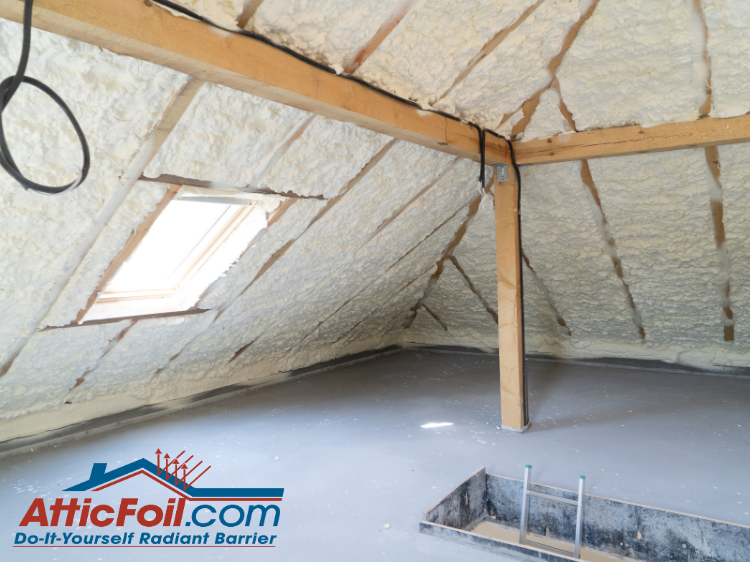
The Benefits of Foam Insulation for Your Home
When it comes to insulating your home, foam insulation is a popular choice that offers a range of benefits. Foam insulation is a type of insulation material that is sprayed or injected into walls, ceilings, and other areas to create a barrier against heat transfer. Here are some reasons why foam insulation may be the right choice for your home:
Energy Efficiency
Foam insulation provides excellent thermal resistance, helping to keep your home cool in the summer and warm in the winter. By reducing heat transfer through walls and ceilings, foam insulation can lower your energy bills and improve the overall energy efficiency of your home.
Air Sealing
Unlike traditional insulation materials like fiberglass or cellulose, foam insulation expands to fill gaps and cracks, creating a tight seal against air infiltration. This helps to prevent drafts and air leaks, improving indoor air quality and increasing comfort levels in your home.
Moisture Resistance
Foam insulation is resistant to moisture and does not absorb water like other types of insulation. This makes it an ideal choice for areas prone to high humidity or moisture intrusion, helping to prevent mold growth and structural damage in your home.
Durability
Foam insulation is long-lasting and does not settle or degrade over time like some traditional insulating materials. Once installed, foam insulation maintains its effectiveness for years to come, providing consistent thermal performance for your home.
Environmental Impact
Many types of foam insulation are made from environmentally friendly materials and can be recycled at the end of their lifespan. By choosing foam insulation for your home, you can reduce your carbon footprint and contribute to a more sustainable future.
In conclusion, foam insulation offers a range of benefits including energy efficiency, air sealing, moisture resistance, durability, and environmental sustainability. If you are looking to improve the comfort and efficiency of your home, consider investing in foam insulation for long-term savings and peace of mind.
Top 5 Benefits of Foam Insulation: Energy Efficiency, Durability, and Eco-Friendliness
- Excellent thermal resistance for energy efficiency
- Effective air sealing to prevent drafts and air leaks
- Moisture resistance to prevent mold growth
- Durable and long-lasting performance
- Environmentally friendly materials that can be recycled
Challenges of Foam Insulation: Cost, Complexity, Off-Gassing, and Moisture Issues
Excellent thermal resistance for energy efficiency
Foam insulation stands out for its exceptional thermal resistance, making it a top choice for enhancing energy efficiency in buildings. By effectively reducing heat transfer through walls, ceilings, and other areas, foam insulation helps maintain comfortable indoor temperatures regardless of external weather conditions. This feature not only promotes a cozy living environment but also leads to significant savings on energy bills by reducing the need for constant heating or cooling. With its ability to provide superior insulation against heat loss or gain, foam insulation plays a crucial role in improving the overall energy performance of homes and buildings.
Effective air sealing to prevent drafts and air leaks
Foam insulation provides effective air sealing to prevent drafts and air leaks in homes. Unlike traditional insulation materials, foam insulation expands to fill gaps and cracks, creating a tight barrier against air infiltration. By sealing off these potential entry points for outside air, foam insulation helps maintain a consistent indoor temperature, improve energy efficiency, and enhance overall comfort levels within the living space. This feature not only reduces the workload on heating and cooling systems but also contributes to better indoor air quality by preventing dust, allergens, and pollutants from entering the home through leaks.
Moisture resistance to prevent mold growth
Foam insulation’s moisture resistance is a key advantage that helps prevent mold growth in homes. Unlike traditional insulation materials that can absorb water and provide a breeding ground for mold, foam insulation repels moisture, making it an effective barrier against mold formation. By keeping moisture at bay, foam insulation not only helps maintain a healthier indoor environment but also protects the structural integrity of the building. This pro of foam insulation ensures that homeowners can enjoy a mold-free living space with improved air quality and peace of mind.
Durable and long-lasting performance
Foam insulation stands out for its durable and long-lasting performance, making it a reliable choice for homeowners seeking insulation solutions. Unlike traditional insulation materials that may settle or degrade over time, foam insulation maintains its effectiveness for years to come. This durability ensures consistent thermal performance, helping to keep homes comfortable and energy-efficient over the long term. By investing in foam insulation, homeowners can enjoy peace of mind knowing that their insulation will continue to provide reliable protection against heat transfer and air infiltration for many years.
Environmentally friendly materials that can be recycled
Foam insulation stands out as an environmentally conscious choice due to its utilization of materials that are eco-friendly and can be recycled. By opting for foam insulation made from recyclable materials, homeowners contribute to sustainable practices and reduce their carbon footprint. This feature not only helps in conserving natural resources but also promotes a circular economy where the insulation material can be repurposed at the end of its lifespan. Choosing foam insulation with recyclable components is a proactive step towards creating a greener and more environmentally responsible living environment.
Cost
One significant drawback of foam insulation is its cost factor. When considering foam insulation for your home, it’s important to note that it can be more expensive upfront compared to traditional insulation materials such as fiberglass or cellulose. The initial investment required for foam insulation may deter some homeowners from choosing this option, despite its many benefits. However, it’s essential to weigh the long-term savings in energy costs and improved efficiency that foam insulation can provide against the higher initial cost.
Installation Complexity
Proper installation of foam insulation poses a challenge due to its complexity, requiring specialized equipment and expertise. This can result in higher installation costs for homeowners. The need for trained professionals to handle the application of foam insulation adds to the overall expenses associated with this type of insulation. Additionally, the intricacies involved in ensuring a thorough and effective installation process may lead to delays in completing the project, further adding to the inconvenience and potential additional costs for homeowners.
Potential Off-Gassing
One significant drawback of foam insulation is the potential for off-gassing. Certain types of foam insulation materials have been known to emit volatile organic compounds (VOCs) during and even after installation, which can have a negative impact on indoor air quality. These VOCs can contribute to health issues such as respiratory irritation, headaches, and dizziness. It is important for homeowners considering foam insulation to be aware of this con and to choose insulation products that have low VOC emissions to minimize potential health risks associated with off-gassing.
Moisture Concerns
One significant drawback of foam insulation is the potential moisture concerns it can pose if improperly installed or sealed. When foam insulation is not applied correctly, it can create a barrier that traps moisture within walls. This trapped moisture can promote mold growth and cause structural damage over time, compromising the integrity of the building and potentially impacting indoor air quality. Proper installation and sealing are crucial to prevent these moisture-related issues when using foam insulation in construction projects.