
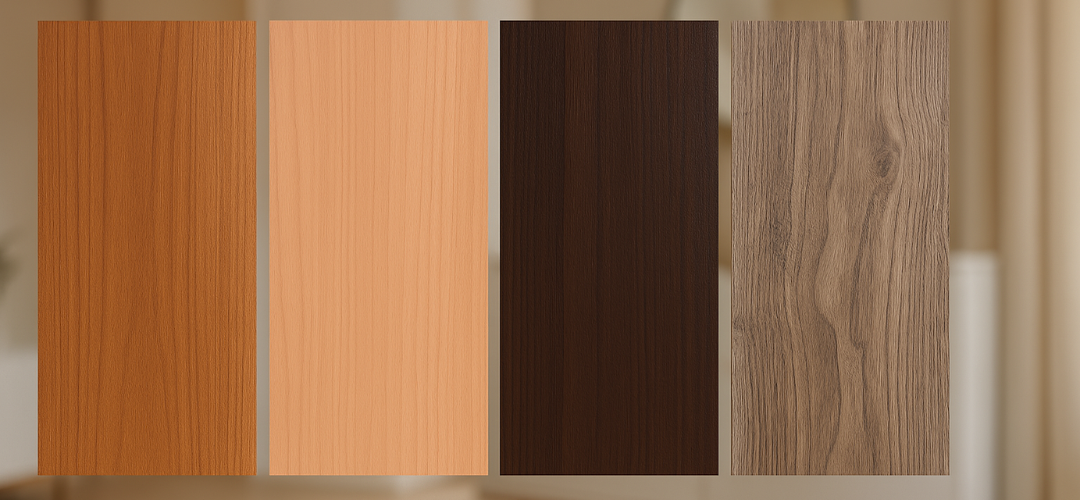
The Beauty of PU Finish on Wood
Wood has always been a popular choice for furniture and interior decor due to its timeless appeal and natural warmth. One way to enhance the beauty of wood is by applying a Polyurethane (PU) finish, which not only adds protection but also brings out the natural grain and color of the wood.
PU finish is a type of coating that provides a durable and long-lasting layer of protection to wooden surfaces. It is resistant to scratches, stains, and moisture, making it ideal for high-traffic areas such as floors, tabletops, and cabinets. The finish also helps prevent the wood from fading or yellowing over time.
One of the key advantages of PU finish is its versatility in terms of sheen levels. Whether you prefer a matte, satin, or glossy finish, PU coatings can be customized to achieve the desired look for your wood furniture. This flexibility allows you to match the finish to your overall decor style.
Applying PU finish on wood is a meticulous process that involves sanding the surface, applying multiple coats of the finish with proper drying time in between, and sanding again for a smooth and even texture. The result is a lustrous and protective layer that not only enhances the visual appeal of wood but also prolongs its lifespan.
In conclusion, PU finish on wood offers both aesthetic enhancement and practical benefits. Whether you are looking to refurbish old furniture or protect new wooden pieces, consider investing in PU coatings for a lasting and beautiful finish that will elevate the charm of your living spaces.
Enhance and Protect: The Top 6 Benefits of PU Finish on Wood Surfaces
- Durable and long-lasting protection for wooden surfaces
- Resistant to scratches, stains, and moisture
- Enhances the natural grain and color of the wood
- Versatile sheen levels available (matte, satin, glossy)
- Helps prevent wood from fading or yellowing over time
- Provides a smooth and lustrous finish that elevates the aesthetic appeal
Considerations of PU Finish: Cost, Safety, and Maintenance Challenges
- PU finish can be more expensive compared to other types of wood finishes, which may affect the overall cost of a woodworking project.
- Applying PU finish requires proper ventilation and safety precautions due to the strong fumes emitted during the application process.
- Repairing or refinishing wood with existing PU finish can be challenging as it often requires stripping off the old layers before reapplication.
Durable and long-lasting protection for wooden surfaces
Polyurethane (PU) finish on wood offers the significant advantage of providing durable and long-lasting protection for wooden surfaces. This protective coating forms a resilient barrier that shields the wood from scratches, stains, moisture, and other forms of damage. By applying PU finish, wooden surfaces can maintain their beauty and structural integrity over an extended period, making it an ideal choice for furniture, flooring, and other wooden items that are subject to wear and tear. The durability of PU finish ensures that the natural beauty of the wood is preserved while enhancing its longevity, making it a practical and cost-effective solution for maintaining wooden surfaces in top condition for years to come.
Resistant to scratches, stains, and moisture
Polyurethane (PU) finish on wood stands out for its remarkable resistance to scratches, stains, and moisture. This quality makes it an excellent choice for wooden surfaces that are prone to daily wear and tear. The protective barrier created by PU finish not only guards against physical damage but also shields the wood from water damage and discoloration. With PU finish, you can enjoy the beauty of wood furniture without worrying about unsightly marks or spills compromising its appearance, ensuring longevity and easy maintenance for your cherished wooden pieces.
Enhances the natural grain and color of the wood
The application of Polyurethane (PU) finish on wood offers the remarkable benefit of enhancing the natural grain and color of the wood. By adding a protective layer that highlights the intricate patterns and textures of the wood grain, PU finish brings out the inherent beauty of the material, creating a visually appealing and rich appearance. This enhancement not only adds depth and character to wooden surfaces but also showcases the unique charm and warmth of natural wood, making it a popular choice for furniture and interior decor where aesthetics play a key role.
Versatile sheen levels available (matte, satin, glossy)
Polyurethane (PU) finish on wood offers the advantage of versatile sheen levels, allowing for customization based on personal preferences and design aesthetics. Whether one desires a subtle and understated matte finish, a soft and elegant satin sheen, or a sleek and reflective glossy surface, PU coatings can be tailored to achieve the desired look. This versatility in sheen levels not only adds to the visual appeal of wooden surfaces but also enables individuals to match the finish with their overall decor style, creating a cohesive and harmonious ambiance in any space.
Helps prevent wood from fading or yellowing over time
One of the significant advantages of applying a Polyurethane (PU) finish on wood is its ability to prevent the wood from fading or yellowing over time. The protective layer provided by PU coatings acts as a barrier against environmental factors such as sunlight, moisture, and pollutants that can cause discoloration in wood. By maintaining the original color and vibrancy of the wood, PU finish helps preserve the aesthetic appeal of wooden surfaces for an extended period, ensuring that your furniture and decor retain their beauty for years to come.
Provides a smooth and lustrous finish that elevates the aesthetic appeal
The Polyurethane (PU) finish on wood provides a smooth and lustrous surface that significantly enhances the aesthetic appeal of the wood. The glossy sheen of PU finish adds a touch of elegance and sophistication to furniture and interior decor, making the wood look more luxurious and visually appealing. This high-quality finish not only brings out the natural beauty of the wood grain but also creates a polished and refined appearance that elevates the overall look of any space.
PU finish can be more expensive compared to other types of wood finishes, which may affect the overall cost of a woodworking project.
While PU finish offers excellent durability and protection for wood surfaces, one notable con is its higher cost compared to other types of wood finishes. The premium price of PU coatings can impact the overall budget of a woodworking project, especially for larger pieces or projects with multiple surfaces to cover. This increased expense may deter some individuals or businesses from opting for PU finish, leading them to explore more cost-effective alternatives that may not offer the same level of longevity and resilience. It is important for woodworking enthusiasts and professionals to weigh the benefits of PU finish against its higher price point to determine the best fit for their specific needs and budget constraints.
Applying PU finish requires proper ventilation and safety precautions due to the strong fumes emitted during the application process.
One significant drawback of applying PU finish on wood is the need for proper ventilation and safety precautions. The strong fumes emitted during the application process can pose health risks if inhaled in poorly ventilated areas. These fumes contain volatile organic compounds (VOCs) that can cause respiratory irritation and other health issues. Therefore, it is essential to work in a well-ventilated space or use protective equipment such as masks and gloves to minimize exposure to these harmful fumes when applying PU finish on wood.
Repairing or refinishing wood with existing PU finish can be challenging as it often requires stripping off the old layers before reapplication.
Repairing or refinishing wood with existing PU finish can be challenging due to the necessity of stripping off the old layers before reapplication. This process can be time-consuming and labor-intensive, especially if the old PU finish has built up over several years. Stripping off the existing layers effectively without damaging the wood underneath requires careful attention and skill. Additionally, the use of chemical strippers or sanding methods may be required, which can further complicate the refinishing process. Overall, the need to remove old PU finish adds an extra step and level of complexity to wood maintenance and restoration projects.