
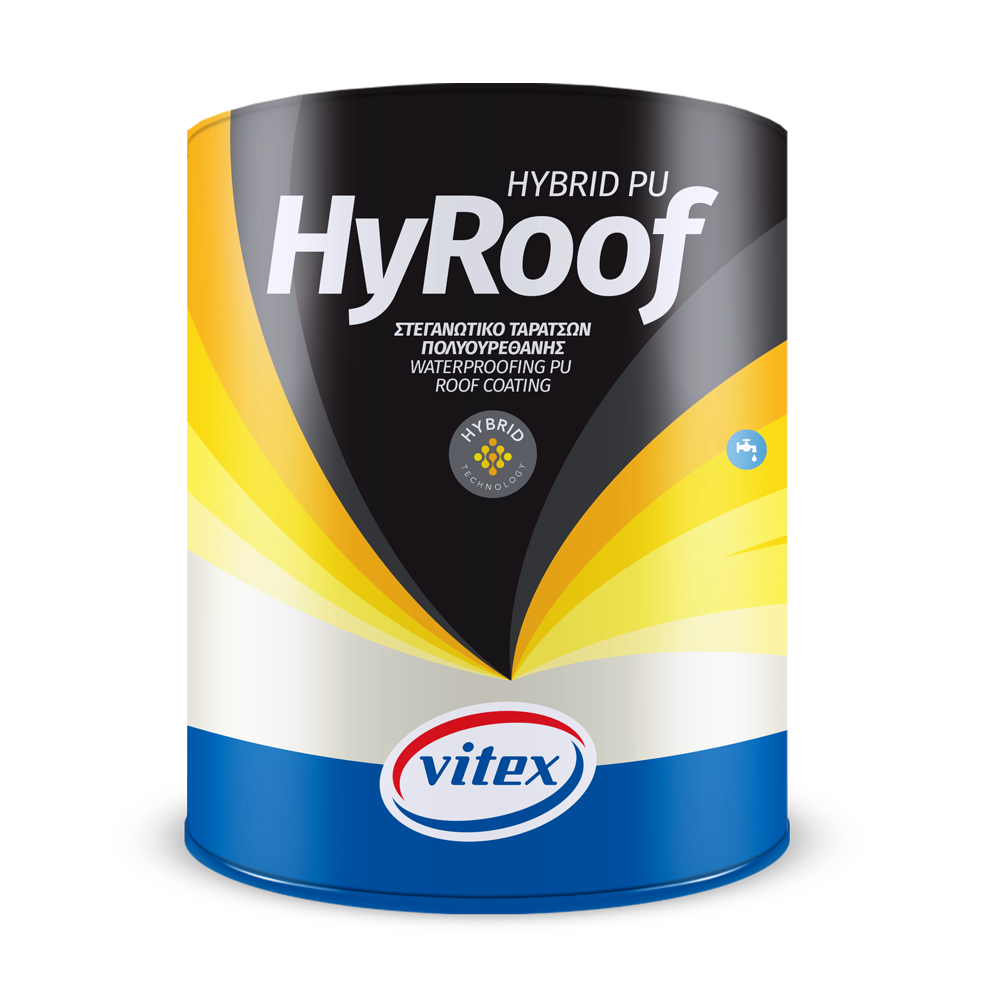
The Benefits of PU Roof Coating for Your Building
PU roof coating, short for polyurethane roof coating, is a popular choice for protecting and enhancing the durability of roofs in buildings. This innovative solution offers a range of benefits that make it a preferred option for many property owners.
Waterproofing Properties
One of the key advantages of PU roof coating is its excellent waterproofing properties. By forming a seamless membrane over the roof surface, it effectively prevents water infiltration and protects the underlying structure from moisture damage. This feature is especially crucial in areas prone to heavy rainfall or extreme weather conditions.
Durability and Longevity
PU roof coating is known for its durability and longevity. It can withstand UV exposure, temperature fluctuations, and other environmental factors without deteriorating quickly. This resilience helps extend the lifespan of the roof and reduces the need for frequent repairs or replacements, ultimately saving on maintenance costs.
Energy Efficiency
Another benefit of PU roof coating is its energy-efficient properties. By reflecting sunlight and reducing heat absorption, it helps maintain a more stable indoor temperature, leading to lower cooling costs during hot weather. This thermal insulation also contributes to overall energy savings for the building.
Ease of Application
PU roof coating is relatively easy to apply compared to traditional roofing materials. It can be sprayed or rolled onto the roof surface, creating a smooth and uniform finish. The application process is quick and efficient, resulting in minimal disruption to building occupants during installation.
Environmental Sustainability
Many PU roof coatings are formulated with environmentally friendly ingredients that have low VOC emissions. This eco-conscious approach aligns with sustainable building practices and helps reduce the carbon footprint of the property. Choosing PU roof coating can contribute to green building certifications and initiatives.
In conclusion, PU roof coating offers a comprehensive solution for enhancing the performance and longevity of roofs in buildings. Its waterproofing properties, durability, energy efficiency, ease of application, and environmental sustainability make it a wise investment for property owners looking to protect their assets while promoting sustainability.
Top 5 Benefits of PU Roof Coating: Waterproof, Durable, Energy-Efficient, Easy to Apply, and Eco-Friendly
- Excellent waterproofing properties
- Durable and long-lasting
- Energy-efficient with thermal insulation
- Easy application process
- Environmentally sustainable with low VOC emissions
5 Potential Drawbacks of PU Roof Coating: Cost, Application Challenges, and Maintenance Considerations
- Initial cost of PU roof coating can be higher compared to traditional roofing materials.
- Improper application of PU roof coating may lead to issues such as bubbling or peeling over time.
- Repairs or reapplications of PU roof coating may require professional expertise and specialized equipment.
- PU roof coating may not be suitable for all types of roofs or structures, limiting its applicability in certain cases.
- In some instances, the light-colored finish of PU roof coating may require regular cleaning to maintain its aesthetic appeal.
Excellent waterproofing properties
Polyurethane (PU) roof coating stands out for its exceptional waterproofing properties, making it a reliable choice for protecting building roofs. By forming a seamless membrane over the roof surface, PU roof coating effectively prevents water infiltration and safeguards the underlying structure from moisture-related damage. This feature is particularly crucial in regions prone to heavy rainfall or extreme weather conditions, providing peace of mind to property owners by ensuring long-lasting protection against water leaks and seepage.
Durable and long-lasting
PU roof coating stands out for its exceptional durability and long-lasting performance. This pro of PU roof coat ensures that the roof surface remains resilient against various environmental stressors, including UV exposure, temperature fluctuations, and moisture. By maintaining its integrity over time, PU roof coating extends the lifespan of the roof, reducing the need for frequent repairs or replacements. This longevity not only enhances the structural integrity of the building but also offers cost savings in terms of maintenance expenses. Choosing PU roof coating for your building ensures a reliable and sustainable solution that withstands the test of time.
Energy-efficient with thermal insulation
PU roof coating stands out as a highly beneficial solution due to its energy-efficient properties and effective thermal insulation capabilities. By reflecting sunlight and reducing heat absorption, PU roof coating helps maintain a more stable indoor temperature, leading to lower cooling costs during hot weather. This thermal insulation not only enhances the comfort of occupants but also contributes to overall energy savings for the building. Choosing PU roof coating can significantly improve the building’s energy efficiency, making it a sustainable and cost-effective option for property owners seeking to reduce their environmental impact and operational expenses.
Easy application process
The ease of application process is a significant advantage of PU roof coating. Unlike traditional roofing materials that may require complex installation methods, PU roof coating can be applied quickly and efficiently. Whether sprayed or rolled onto the roof surface, the application is smooth and uniform, resulting in a seamless finish. This streamlined process not only saves time but also minimizes disruption to building occupants during installation. Property owners can benefit from the convenience and efficiency of applying PU roof coating, making it a practical choice for enhancing and protecting their roofs.
Environmentally sustainable with low VOC emissions
Polyurethane (PU) roof coating stands out as an environmentally sustainable choice due to its low volatile organic compound (VOC) emissions. By using formulations with reduced VOC content, PU roof coating minimizes harmful air pollutants that can contribute to indoor and outdoor air quality issues. This eco-conscious approach not only benefits the environment but also creates a healthier indoor living or working environment for building occupants. Choosing PU roof coating with low VOC emissions aligns with sustainable building practices and demonstrates a commitment to environmental responsibility in construction projects.
Initial cost of PU roof coating can be higher compared to traditional roofing materials.
While PU roof coating offers numerous benefits, one potential drawback is its higher initial cost compared to traditional roofing materials. The upfront investment required for PU roof coating may be a deterrent for some property owners, especially those operating on tight budgets. However, it is essential to consider the long-term savings and benefits that PU roof coating provides, such as increased durability, energy efficiency, and reduced maintenance costs. Despite the higher initial cost, the value and performance offered by PU roof coating make it a worthwhile investment in the overall longevity and sustainability of the building’s roof.
Improper application of PU roof coating may lead to issues such as bubbling or peeling over time.
Improper application of PU roof coating can result in issues such as bubbling or peeling over time. When the coating is not applied correctly, it may not adhere properly to the roof surface, leading to air pockets that can cause bubbles to form. Additionally, inadequate surface preparation or incorrect mixing ratios during application can compromise the integrity of the coating, resulting in peeling or flaking over time. To prevent such problems, it is essential to ensure that PU roof coating is applied by trained professionals following manufacturer guidelines for proper preparation and application techniques. Regular maintenance and inspections can also help identify any early signs of bubbling or peeling to address them promptly and maintain the effectiveness of the coating.
Repairs or reapplications of PU roof coating may require professional expertise and specialized equipment.
Repairs or reapplications of PU roof coating may pose a challenge as they often necessitate professional expertise and specialized equipment. Due to the specific nature of polyurethane coatings and the need for precise application techniques, attempting DIY repairs or reapplications can result in subpar results and potential damage to the roof. Professional contractors with experience in working with PU coatings have the knowledge and tools required to ensure proper adhesion, coverage, and longevity of the coating, ultimately preserving the integrity of the roof surface effectively.
PU roof coating may not be suitable for all types of roofs or structures, limiting its applicability in certain cases.
One potential downside of PU roof coating is that it may not be suitable for all types of roofs or structures, which can limit its applicability in certain cases. The effectiveness of PU roof coating depends on factors such as the existing roof material, slope, and condition of the structure. In some instances, certain roof designs or materials may not be compatible with PU coating, requiring alternative solutions for protection and waterproofing. Property owners should assess their specific roofing needs and consult with professionals to determine if PU roof coating is a suitable option for their building.
In some instances, the light-colored finish of PU roof coating may require regular cleaning to maintain its aesthetic appeal.
In some instances, one drawback of PU roof coating is that the light-colored finish may require regular cleaning to uphold its aesthetic appeal. Over time, dust, dirt, and other environmental pollutants can accumulate on the surface, potentially diminishing the visual attractiveness of the roof. To ensure that the roof maintains its bright and clean appearance, periodic cleaning may be necessary, adding to the maintenance efforts required for this type of coating.