
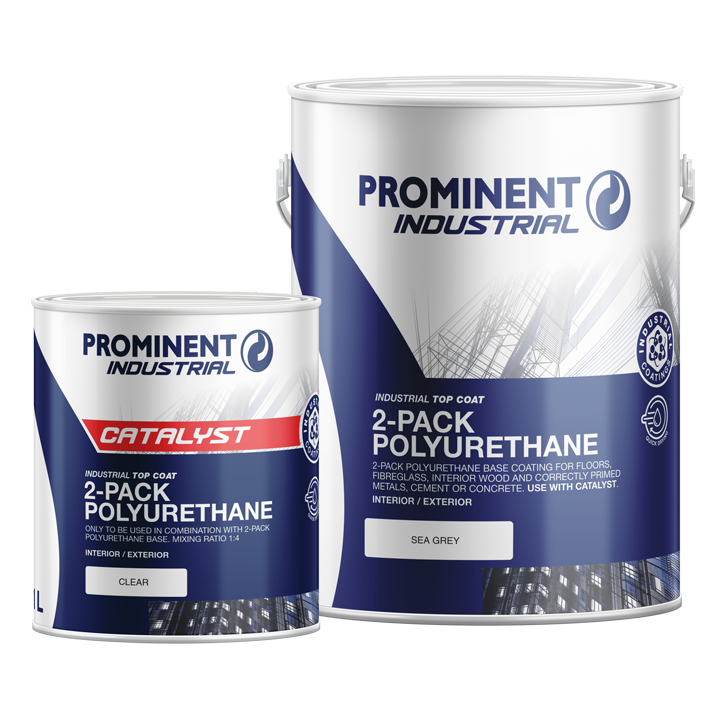
The Versatile World of Polyurethane Paint
Polyurethane paint is a popular choice for a wide range of applications due to its durability, versatility, and aesthetic appeal. This type of paint is known for its high-performance characteristics, making it suitable for various surfaces and environments.
Benefits of Polyurethane Paint
One of the key advantages of polyurethane paint is its exceptional resistance to abrasion, chemicals, and weathering. It provides a tough protective coating that can withstand harsh conditions, making it ideal for use in industries such as automotive, aerospace, marine, and construction.
In addition to its durability, polyurethane paint offers excellent adhesion to different substrates, including metal, wood, concrete, and plastic. This makes it a versatile choice for various projects where long-lasting performance is essential.
Applications of Polyurethane Paint
Polyurethane paint finds widespread use in a variety of applications:
- Automotive industry: Used for vehicle coatings due to its scratch resistance and gloss retention.
- Furniture manufacturing: Provides a durable finish on wooden furniture pieces.
- Industrial equipment: Protects machinery from corrosion and wear in demanding environments.
- Architectural projects: Enhances the appearance and longevity of structures with weather-resistant coatings.
Types of Polyurethane Paint
There are two main types of polyurethane paint:
- Solvent-based polyurethane: Offers excellent durability and chemical resistance but requires proper ventilation during application due to volatile organic compounds (VOCs).
- Water-based polyurethane: Environmentally friendly option with low VOC content and easy cleanup, suitable for indoor applications where odor and toxicity are concerns.
Care and Maintenance
To ensure the longevity of surfaces coated with polyurethane paint, regular maintenance is essential. Cleaning with mild soap and water can help preserve the finish’s appearance while avoiding harsh chemicals that may damage the coating.
In conclusion, polyurethane paint stands out as a reliable choice for projects that demand durability, performance, and aesthetics. Its versatility makes it a preferred option across various industries where quality finishes are paramount.
Understanding Polyurethane Paint: Uses, Benefits, and Application Insights
- What are the disadvantages of polyurethane?
- Is polyurethane paint good?
- What is polyurethane paint used for?
- Is polyurethane paint glossy?
- What is the use of polyurethane?
- Is polyurethane stronger than paint?
- How do you apply polyurethane paint?
What are the disadvantages of polyurethane?
While polyurethane paint offers numerous benefits such as durability and versatility, it also comes with some disadvantages. One common drawback of polyurethane is its potential to yellow over time, especially when exposed to sunlight. This can affect the appearance of the painted surface and may require additional maintenance to address discoloration. Additionally, some formulations of polyurethane paint contain volatile organic compounds (VOCs), which can contribute to air pollution and pose health risks during application if proper ventilation is not provided. It is important to consider these factors and weigh them against the advantages of polyurethane paint when choosing a coating for a specific project.
Is polyurethane paint good?
When considering the question “Is polyurethane paint good?” it is important to acknowledge the numerous benefits that polyurethane paint offers. Polyurethane paint is widely recognized for its exceptional durability, resistance to abrasion, chemicals, and weathering, making it a preferred choice for various applications. Its versatility in adhering to different surfaces such as metal, wood, concrete, and plastic further highlights its effectiveness in providing long-lasting protection and aesthetic appeal. With its ability to withstand harsh conditions and maintain a high-performance finish, polyurethane paint proves to be a reliable option for industries ranging from automotive to architectural projects.
What is polyurethane paint used for?
Polyurethane paint is commonly used for a wide range of applications due to its exceptional durability and versatility. This type of paint is popular in industries such as automotive, aerospace, marine, and construction for providing a tough protective coating that resists abrasion, chemicals, and weathering. In addition to industrial settings, polyurethane paint is also utilized in architectural projects for enhancing the appearance and longevity of structures. Its ability to adhere well to various substrates like metal, wood, concrete, and plastic makes it a preferred choice for applications where long-lasting performance is essential.
Is polyurethane paint glossy?
Yes, polyurethane paint is known for its glossy finish. One of the key characteristics of polyurethane paint is its ability to provide a high level of glossiness to surfaces, enhancing their appearance and creating a smooth, shiny finish. Whether used in automotive coatings, furniture finishes, or industrial applications, polyurethane paint can deliver a glossy sheen that adds a touch of elegance and sophistication to the coated surface. The glossy nature of polyurethane paint not only enhances the visual appeal but also contributes to its durability and resistance to wear and tear, making it a popular choice for projects that require both aesthetic appeal and long-lasting protection.
What is the use of polyurethane?
Polyurethane is widely used for its versatility and durability in various applications. In the realm of paints and coatings, polyurethane serves as a protective finish that offers exceptional resistance to abrasion, chemicals, and weathering. It is commonly employed in industries such as automotive, aerospace, marine, and construction for its ability to provide a tough coating that withstands harsh conditions. Polyurethane paint adheres well to different surfaces like metal, wood, concrete, and plastic, making it a go-to choice for projects where long-lasting performance is essential. Its use extends beyond protective coatings to include applications in furniture manufacturing, architectural projects, industrial equipment protection, and more.
Is polyurethane stronger than paint?
When comparing polyurethane to traditional paint, it’s important to note that polyurethane is not exactly a type of paint but rather a protective coating. Polyurethane coatings are known for their exceptional strength, durability, and resistance to various elements such as abrasion, chemicals, and weathering. While traditional paint may provide color and coverage, polyurethane adds a robust layer of protection on top of the painted surface. Therefore, in terms of strength and longevity, polyurethane coatings are generally considered stronger than conventional paints when it comes to providing enhanced durability and performance.
How do you apply polyurethane paint?
When applying polyurethane paint, it is essential to follow a few key steps to achieve a successful finish. Firstly, ensure that the surface is clean, dry, and free of any dust or debris. Use a high-quality brush, roller, or sprayer to apply the paint evenly in thin coats, allowing each coat to dry completely before applying the next one. Sanding between coats can help achieve a smooth finish. Pay attention to the manufacturer’s instructions regarding drying times and recommended application techniques for optimal results. Proper ventilation and protective gear are also important when working with polyurethane paint to ensure safety and quality outcomes.