
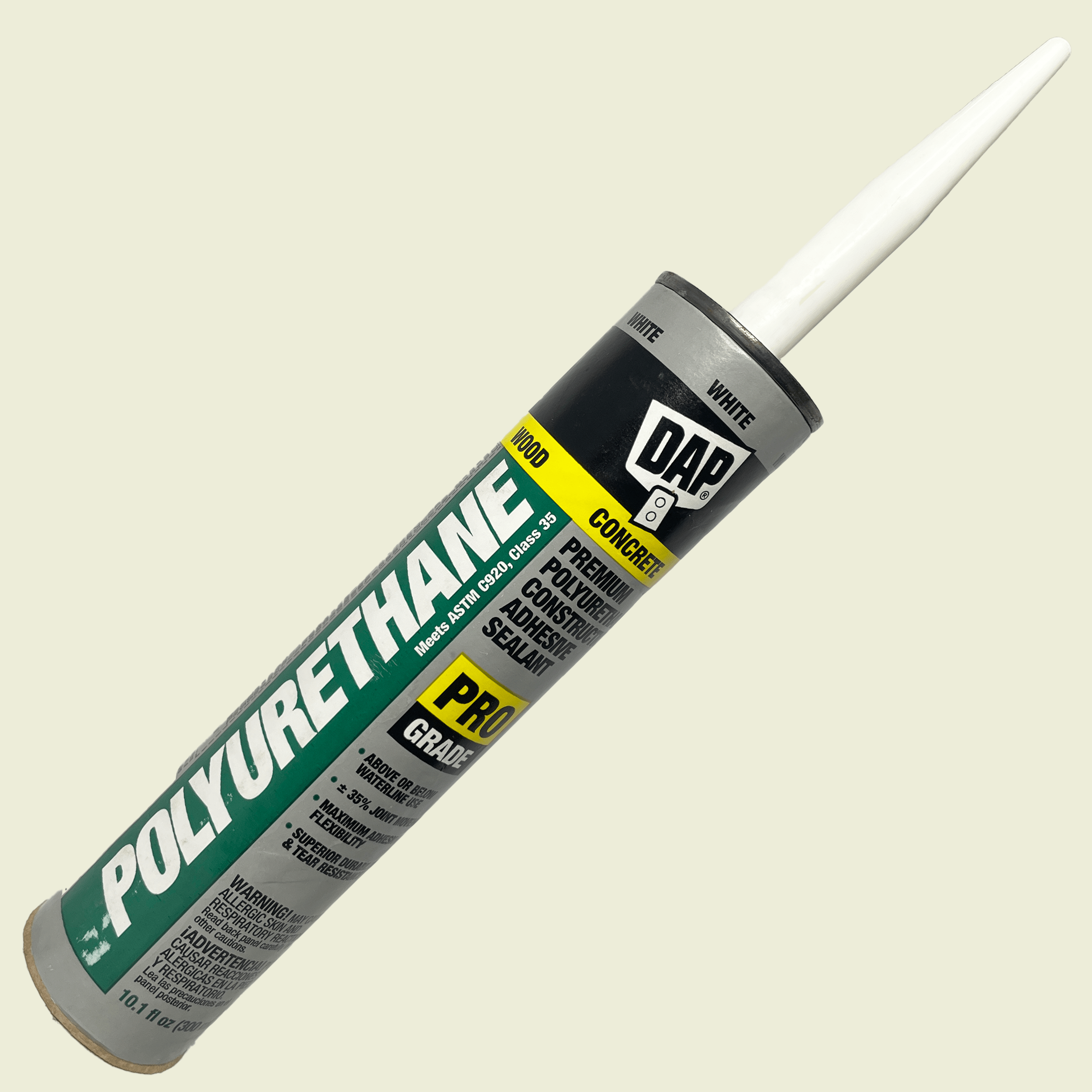
The Versatility and Benefits of Polyurethane Sealants
Polyurethane sealants are a popular choice for various sealing applications due to their versatility and numerous benefits. These sealants are made from polyurethane polymers, which offer excellent adhesion, flexibility, and durability. Here are some key aspects that make polyurethane sealants stand out:
Adhesion
Polyurethane sealants have strong adhesive properties, allowing them to bond well with a wide range of materials including concrete, wood, metal, glass, and plastics. This makes them ideal for sealing joints, cracks, and gaps in different surfaces.
Flexibility
One of the main advantages of polyurethane sealants is their flexibility. They can accommodate movement in building structures without losing their bond or integrity. This flexibility helps prevent cracks or leaks caused by temperature changes or structural shifts.
Durability
Polyurethane sealants are known for their long-lasting performance. They are resistant to weathering, UV exposure, chemicals, and moisture, making them suitable for both indoor and outdoor applications. Their durability ensures that the sealed areas remain protected over an extended period.
Applications
Polyurethane sealants find widespread use in construction, automotive, marine, and industrial sectors. They are commonly used for sealing joints in buildings, bonding automotive components, sealing boat decks and hulls, and protecting machinery from environmental factors.
Environmental Benefits
Many polyurethane sealants are formulated to be low-VOC (volatile organic compound), contributing to better indoor air quality and reduced environmental impact. Additionally, their longevity reduces the need for frequent replacements, leading to less waste generation.
Conclusion
In conclusion, polyurethane sealants offer a reliable solution for various sealing needs across different industries. Their adhesion strength, flexibility, durability, and environmental benefits make them a preferred choice for professionals seeking high-performance sealing products.
8 Essential Tips for Applying Polyurethane Sealant Effectively
- Ensure the surface is clean and dry before applying polyurethane sealant.
- Use masking tape to create clean edges when applying the sealant.
- Apply the sealant in a well-ventilated area to avoid inhaling fumes.
- Smooth the sealant with a tool or finger dipped in soapy water for a neat finish.
- Allow sufficient time for the sealant to cure before exposing it to moisture.
- Store unused polyurethane sealant in a cool, dry place to prolong its shelf life.
- Avoid skin contact with uncured sealant by wearing gloves during application.
- Read and follow the manufacturer’s instructions for best results.
Ensure the surface is clean and dry before applying polyurethane sealant.
Before applying polyurethane sealant, it is crucial to ensure that the surface is clean and dry. Cleaning the surface thoroughly removes any dust, dirt, grease, or other contaminants that could hinder the adhesion of the sealant. Additionally, a dry surface helps the sealant adhere properly and form a strong bond with the substrate. By following this tip and preparing the surface effectively, you can enhance the effectiveness and longevity of the polyurethane sealant application.
Use masking tape to create clean edges when applying the sealant.
To achieve clean and precise edges when applying polyurethane sealant, a helpful tip is to use masking tape. By carefully placing masking tape along the edges of the area where the sealant will be applied, you can create a barrier that helps control the spread of the sealant and ensures a neat finish. Once the sealant is applied and smoothed out, gently remove the masking tape to reveal sharp and clean edges, enhancing the overall appearance of the sealed area. This simple technique can make a significant difference in achieving professional-looking results with polyurethane sealant applications.
Apply the sealant in a well-ventilated area to avoid inhaling fumes.
It is important to apply polyurethane sealant in a well-ventilated area to prevent inhaling fumes. Adequate ventilation helps disperse any potentially harmful vapors that may be released during the application process. By working in a well-ventilated space, you can minimize the risk of respiratory irritation and ensure a safer environment for yourself and others. Prioritizing proper ventilation when using polyurethane sealant is essential for promoting a healthier and more comfortable working experience.
Smooth the sealant with a tool or finger dipped in soapy water for a neat finish.
To achieve a clean and professional finish when applying polyurethane sealant, a helpful tip is to smooth the sealant using a tool or your finger dipped in soapy water. This technique helps to prevent the sealant from sticking to the tool or your finger, allowing for a smoother application and a neater overall appearance. By utilizing soapy water as a lubricant, you can easily glide over the sealant surface, ensuring an even and polished finish that enhances the aesthetics of the sealed area.
Allow sufficient time for the sealant to cure before exposing it to moisture.
It is important to allow sufficient time for the polyurethane sealant to cure completely before exposing it to moisture. Curing time ensures that the sealant forms a strong bond with the surface and achieves its maximum effectiveness in sealing joints or gaps. Premature exposure to moisture can compromise the curing process, leading to potential leaks or reduced durability of the sealant. Patience in allowing the sealant to cure properly will result in a long-lasting and reliable seal for your application.
Store unused polyurethane sealant in a cool, dry place to prolong its shelf life.
It is advisable to store unused polyurethane sealant in a cool, dry place to extend its shelf life. Proper storage conditions help maintain the quality and effectiveness of the sealant over time. Exposure to excessive heat or moisture can lead to premature curing or degradation of the product, reducing its performance when applied. By storing polyurethane sealant in a suitable environment, you can ensure that it remains viable for future use, maximizing its utility and value.
Avoid skin contact with uncured sealant by wearing gloves during application.
To ensure safety during the application of polyurethane sealant, it is recommended to avoid skin contact with uncured sealant by wearing gloves. This precautionary measure helps protect the skin from potential irritation or allergic reactions that may arise from direct contact with the sealant. By wearing gloves, users can handle the sealant effectively while minimizing the risk of skin-related issues, thereby promoting a safe and efficient application process.
Read and follow the manufacturer’s instructions for best results.
It is crucial to read and adhere to the manufacturer’s instructions when using polyurethane sealant for optimal results. Following the recommended guidelines ensures that the sealant is applied correctly, maximizing its adhesion, flexibility, and durability. By understanding and following the instructions provided by the manufacturer, users can achieve the best performance from the polyurethane sealant and ensure that it effectively serves its intended sealing purpose.