
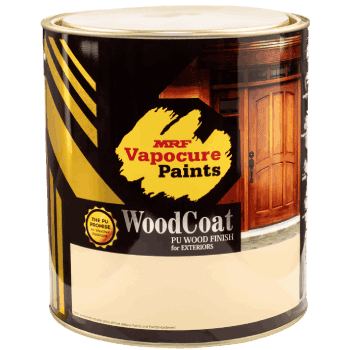
The Benefits of PU Paint for Wood
PU (Polyurethane) paint is a popular choice for finishing wood surfaces due to its durability, versatility, and aesthetic appeal. Whether you are working on furniture, cabinets, or other wooden items, using PU paint can enhance the overall look and longevity of your project.
Key Advantages of PU Paint for Wood:
Durability: PU paint forms a tough protective layer on the wood surface, making it resistant to scratches, stains, and moisture. This helps in maintaining the beauty of the wood for a longer period.
Versatility: PU paint comes in a variety of finishes such as matte, satin, and glossy, allowing you to choose the perfect look for your project. It can be applied to both indoor and outdoor wood surfaces with excellent results.
Easy Application: PU paint is user-friendly and can be easily applied with a brush, roller, or spray gun. It dries quickly and provides a smooth finish without brush marks or streaks.
UV Protection: Some PU paints offer UV resistance, protecting the wood from fading or discoloration caused by sunlight exposure. This is particularly beneficial for outdoor wooden furniture or structures.
Tips for Using PU Paint on Wood:
– Ensure that the wood surface is clean and free from dust or debris before applying PU paint.
– Use a primer specifically designed for use with PU paint to ensure proper adhesion and finish.
– Apply multiple thin coats of PU paint rather than one thick coat for better coverage and durability.
– Allow sufficient drying time between coats as per the manufacturer’s instructions.
– Sand the surface lightly between coats to achieve a smooth finish.
In Conclusion
PU paint offers numerous benefits when used on wood surfaces, making it an excellent choice for both DIY enthusiasts and professional craftsmen. With its durability, versatility, and easy application process, PU paint can help you achieve stunning results while protecting your wooden projects for years to come.
Everything You Need to Know About PU Paint for Wood: FAQs and Expert Tips
- What is PU paint and how is it different from other types of wood paint?
- What are the benefits of using PU paint for wood surfaces?
- How long does PU paint last on wooden furniture or surfaces?
- Can PU paint be used on both indoor and outdoor wood projects?
- Is it necessary to apply a primer before using PU paint on wood?
- How should I prepare the wood surface before applying PU paint?
- Are there different finishes available in PU paint for wood, and how do I choose the right one?
- Does PU paint require any special maintenance after application?
- Is it possible to repaint over existing PU-painted surfaces?
What is PU paint and how is it different from other types of wood paint?
PU paint, short for Polyurethane paint, is a popular choice for finishing wood surfaces due to its exceptional durability and versatility. Unlike other types of wood paint, PU paint forms a tough protective layer that is resistant to scratches, stains, and moisture, making it ideal for enhancing the longevity of wooden items such as furniture and cabinets. Additionally, PU paint comes in a variety of finishes like matte, satin, and glossy, allowing users to achieve their desired look with ease. Its easy application process and quick drying time set it apart from traditional wood paints, providing a smooth finish without brush marks or streaks. Overall, PU paint stands out for its durability, versatility, and user-friendly properties compared to other wood paints available in the market.
What are the benefits of using PU paint for wood surfaces?
When it comes to enhancing wood surfaces, using PU (Polyurethane) paint offers a multitude of benefits. PU paint provides exceptional durability, creating a tough protective layer that resists scratches, stains, and moisture effectively. Its versatility allows for various finish options, from matte to glossy, catering to different aesthetic preferences. The ease of application and quick drying time make PU paint a convenient choice for both indoor and outdoor wood projects. Additionally, some PU paints offer UV protection, safeguarding the wood from sun damage and maintaining its color over time. Overall, the benefits of using PU paint for wood surfaces include longevity, versatility in finishes, ease of application, and enhanced protection against wear and tear.
How long does PU paint last on wooden furniture or surfaces?
One of the frequently asked questions about PU paint for wood is regarding its longevity on wooden furniture or surfaces. The durability of PU paint on wood largely depends on various factors such as the quality of the paint, application technique, environmental conditions, and maintenance. Generally, high-quality PU paint properly applied to a well-prepared wood surface can last for several years, providing excellent protection against wear and tear. Regular maintenance, such as cleaning and occasional touch-ups, can further extend the lifespan of PU paint on wooden furniture, ensuring that it retains its beauty and protection for an extended period.
Can PU paint be used on both indoor and outdoor wood projects?
Yes, PU paint can be used on both indoor and outdoor wood projects with excellent results. The durability and versatility of PU paint make it suitable for a wide range of applications, whether you are finishing furniture, cabinets, decking, or other wooden items. With its ability to resist scratches, stains, moisture, and UV rays, PU paint provides long-lasting protection to wood surfaces exposed to varying environmental conditions. Whether you are looking to enhance the aesthetics of indoor furniture or protect outdoor structures from the elements, PU paint is a reliable choice for achieving a beautiful and durable finish on your wood projects.
Is it necessary to apply a primer before using PU paint on wood?
When using PU paint on wood, applying a primer beforehand is highly recommended for optimal results. A primer helps to create a smooth and uniform surface for the PU paint to adhere to, enhancing its adhesion and durability. Additionally, a primer can help seal the wood, preventing any tannins or stains from bleeding through the paint and affecting the final finish. By using a suitable primer before applying PU paint, you can ensure better coverage, improved color consistency, and a longer-lasting finish on your wooden surfaces.
How should I prepare the wood surface before applying PU paint?
Preparing the wood surface properly before applying PU paint is crucial to ensure a smooth and durable finish. Begin by sanding the wood to remove any existing paint, varnish, or imperfections. Use a fine-grit sandpaper to create a smooth surface and ensure better adhesion of the PU paint. Next, clean the wood thoroughly to remove dust, dirt, and any residues that may affect the paint’s application. It is recommended to use a tack cloth or a damp cloth for this purpose. If needed, apply a suitable wood primer to enhance adhesion and promote an even finish. Allow the primer to dry completely before proceeding with the PU paint application for optimal results.
Are there different finishes available in PU paint for wood, and how do I choose the right one?
Yes, there are different finishes available in PU paint for wood, including matte, satin, and glossy options. Choosing the right finish depends on your preferences and the intended use of the wood surface. Matte finishes provide a subtle and non-reflective appearance, ideal for a more understated look. Satin finishes offer a soft sheen that strikes a balance between matte and glossy, giving a smooth and elegant finish. Glossy finishes provide a high shine and reflective surface, adding a luxurious touch to the wood. Consider factors such as the style of your project, the level of durability required, and the overall aesthetic you wish to achieve when selecting the appropriate PU paint finish for your wood surface.
Does PU paint require any special maintenance after application?
After applying PU paint on wood surfaces, it is essential to follow some maintenance practices to ensure its longevity and appearance. While PU paint is known for its durability, it may require special care to maintain its finish over time. To keep PU-painted wood looking its best, it is recommended to clean the surface regularly with a mild detergent and water solution to remove dust and dirt. Avoid using harsh chemicals or abrasive cleaners that can damage the paint finish. Additionally, inspect the painted wood periodically for any signs of wear or damage, and touch up any areas that may need reapplication of PU paint to prevent further deterioration. By following these simple maintenance steps, you can preserve the beauty and integrity of your PU-painted wood surfaces for years to come.
Is it possible to repaint over existing PU-painted surfaces?
When it comes to repainting over existing PU-painted surfaces, it is indeed possible with proper preparation. Before applying a new coat of PU paint, it is essential to ensure that the existing surface is clean, smooth, and free from any peeling or flaking paint. Lightly sanding the surface can help improve adhesion between the old and new paint layers. Additionally, using a suitable primer designed for PU paint can further enhance the bonding of the new coat. By following these steps diligently, you can successfully repaint over existing PU-painted surfaces to refresh or change the look of your wooden items.