
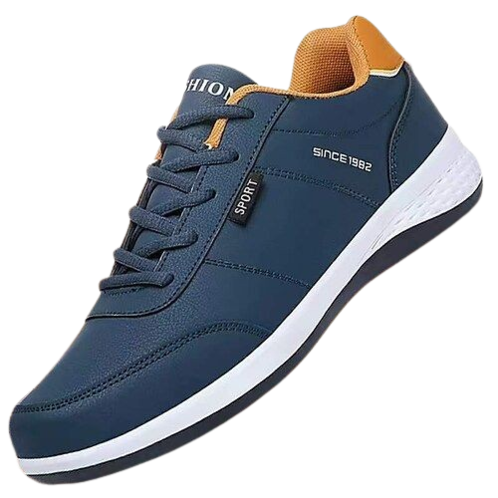
The Versatility of PU Shoes
PU shoes, short for polyurethane shoes, have become increasingly popular in the footwear industry due to their versatility and durability. Polyurethane is a synthetic material that offers a wide range of benefits when used in shoe manufacturing.
Comfort and Flexibility
One of the key advantages of PU shoes is their comfort and flexibility. The material molds to the shape of the foot, providing a custom fit that ensures maximum comfort for the wearer. This flexibility allows for natural movement while walking or running, reducing the risk of discomfort or blisters.
Durability and Longevity
PU shoes are known for their durability and longevity. The material is resistant to wear and tear, making PU footwear ideal for everyday use. Whether you’re walking on city streets or hiking in rugged terrain, PU shoes can withstand various conditions without losing their shape or support.
Style and Design
Another appeal of PU shoes is their versatility in style and design. From casual sneakers to elegant heels, polyurethane can be molded into various shapes and finishes to suit different fashion preferences. Whether you prefer classic designs or trendy looks, there is a PU shoe option for every taste.
Environmental Impact
In addition to its functional benefits, polyurethane is also considered more environmentally friendly compared to certain traditional materials used in shoe production. PU shoes can be recycled and repurposed, reducing waste and contributing to sustainability efforts within the footwear industry.
Conclusion
Overall, PU shoes offer a blend of comfort, durability, style, and eco-friendliness that make them a popular choice among consumers. Whether you’re looking for everyday footwear or special occasion heels, consider adding a pair of PU shoes to your collection for a versatile and reliable option.
Understanding PU Shoes: Key Differences, Safety, and Comparisons with Other Materials
- What is the difference between PU and PVC shoes?
- Is PU in shoes safe?
- Is rubber or PU sole better?
- What is PU in footwear?
- What is a PU shoe?
- Which is better, rubber or PU?
- Is PU better than leather?
- Is 100% PU waterproof?
What is the difference between PU and PVC shoes?
One frequently asked question in the footwear industry is about the difference between PU and PVC shoes. While both materials are commonly used in shoe manufacturing, they have distinct characteristics that set them apart. PU shoes, made of polyurethane, are known for their flexibility, comfort, and durability. On the other hand, PVC shoes, made of polyvinyl chloride, are often more rigid and less breathable than PU shoes. Additionally, PU shoes tend to have a more natural look and feel compared to the glossy appearance of PVC shoes. When choosing between PU and PVC footwear, it’s important to consider factors such as comfort, style, and intended use to determine which material best suits your needs.
Is PU in shoes safe?
Is PU in Shoes Safe?
Yes, polyurethane (PU) used in shoes is considered safe for consumers. PU is a versatile and durable material commonly used in footwear manufacturing due to its comfort, flexibility, and longevity. The production process ensures that PU in shoes meets safety standards and regulations to ensure the well-being of wearers. Additionally, PU shoes are tested for harmful substances to guarantee that they are free from any potential health risks. As with any product, it is important to purchase shoes from reputable brands and manufacturers to ensure the quality and safety of the materials used.
Is rubber or PU sole better?
When comparing rubber and PU soles for shoes, the choice between the two depends on specific preferences and needs. Rubber soles are known for their excellent grip and traction, making them ideal for outdoor activities and sports. They are also durable and provide good shock absorption, which can be beneficial for those who are on their feet for extended periods. On the other hand, PU soles offer lightweight comfort and flexibility, making them suitable for everyday wear. PU soles may not have the same level of grip as rubber soles but are often preferred for their cushioning and style versatility. Ultimately, the decision between rubber and PU soles comes down to factors such as intended use, comfort requirements, and personal style preferences.
What is PU in footwear?
PU in footwear stands for polyurethane, a versatile synthetic material commonly used in shoe manufacturing. Polyurethane offers a range of benefits for footwear, including durability, flexibility, and comfort. PU shoes are known for their ability to mold to the shape of the foot, providing a customized fit that enhances comfort during wear. Additionally, polyurethane is resistant to wear and tear, making PU footwear a long-lasting option for everyday use. With its versatility in design and eco-friendly properties, PU has become a popular choice in the footwear industry for those seeking stylish and sustainable shoe options.
What is a PU shoe?
A PU shoe, short for polyurethane shoe, is footwear made using polyurethane as the primary material. Polyurethane is a versatile synthetic material known for its durability, flexibility, and comfort properties. PU shoes are popular in the footwear industry due to their ability to provide a custom fit that molds to the wearer’s foot shape, offering maximum comfort and support. With their resilience to wear and tear, PU shoes are suitable for various activities and environments, making them a practical and stylish choice for everyday wear.
Which is better, rubber or PU?
When comparing rubber and PU materials for shoes, the choice between the two ultimately depends on the specific needs and preferences of the individual. Rubber is known for its durability and traction, making it a popular choice for athletic shoes and heavy-duty footwear. On the other hand, PU offers superior flexibility, comfort, and design versatility, making it a preferred option for casual and fashion-forward shoe styles. While rubber excels in certain functional aspects, PU shoes are often favored for their comfort and aesthetic appeal. Ultimately, the decision between rubber and PU comes down to personal preference based on factors such as intended use, style preferences, and desired level of comfort.
Is PU better than leather?
When comparing PU to leather in the context of shoes, the choice between the two materials often comes down to personal preferences and specific needs. PU shoes offer advantages such as affordability, easy maintenance, and a wide range of design options. On the other hand, leather shoes are known for their premium quality, natural feel, and durability over time. While PU may be more budget-friendly and versatile in terms of style variations, leather tends to be more long-lasting and develops a unique patina with age. Ultimately, the decision on whether PU is better than leather depends on individual priorities regarding comfort, aesthetics, sustainability, and longevity.
Is 100% PU waterproof?
Is 100% PU Waterproof?
One of the frequently asked questions about PU shoes is whether 100% PU material is waterproof. While polyurethane itself is water-resistant to some extent, the waterproofness of a PU shoe depends on additional factors such as the construction, seams, and treatments applied to the footwear. In general, PU shoes may offer some level of water resistance, but they may not be completely waterproof in all situations. It is advisable to check the specific product details or consult with the manufacturer to understand the waterproof properties of a particular pair of PU shoes before exposing them to wet conditions.