
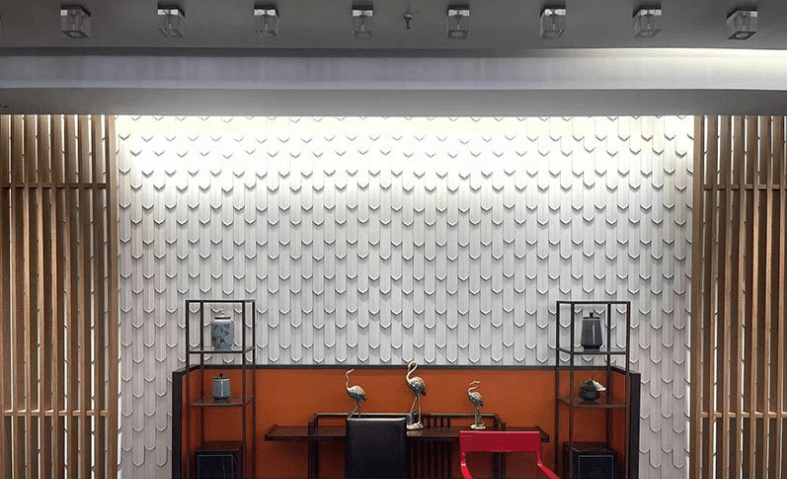
The Advantages of PU Wall Panels in Modern Architecture
PU wall panels, also known as polyurethane wall panels, have become increasingly popular in modern architecture due to their numerous advantages. These panels are made from polyurethane foam sandwiched between two layers of material such as metal, plastic, or fiber cement. Here are some reasons why PU wall panels are a preferred choice for interior and exterior applications:
Insulation Properties
PU wall panels offer excellent thermal insulation properties, helping to maintain a comfortable indoor temperature and reduce energy consumption for heating or cooling. This makes them ideal for both residential and commercial buildings.
Lightweight and Durable
Despite being lightweight, PU wall panels are highly durable and resistant to impact, moisture, and corrosion. They provide long-lasting protection for the building structure while requiring minimal maintenance over time.
Easy Installation
PU wall panels are designed for easy installation, saving time and labor costs during construction or renovation projects. Their modular nature allows for quick assembly and disassembly without the need for specialized tools.
Aesthetically Pleasing
With a wide range of colors, textures, and finishes available, PU wall panels offer endless design possibilities to enhance the visual appeal of any space. They can be customized to suit various architectural styles and preferences.
Sound Insulation
PU wall panels provide effective sound insulation properties, reducing noise transmission between rooms or from external sources. This feature is particularly beneficial in creating acoustically comfortable environments in homes, offices, or public buildings.
In conclusion, PU wall panels offer a versatile solution for architects and builders seeking efficient, sustainable, and aesthetically pleasing building materials. Their combination of insulation properties, durability, ease of installation, design flexibility, and sound insulation make them an excellent choice for modern construction projects.
Frequently Asked Questions About PU Wall Panels: Cost, Benefits, and More
- What is a PU panel?
- How long do PU stone panels last?
- What are the disadvantages of PU panels?
- What is the cost of puf panel per square foot?
- What is puf panel used for?
- What are the benefits of PU panels?
- What is the price of PU wall panels per square foot?
- What is the full form of PU wall panels?
What is a PU panel?
A PU panel, short for polyurethane panel, is a type of building material that consists of a core made of polyurethane foam sandwiched between two layers of material such as metal, plastic, or fiber cement. This construction gives PU panels their lightweight yet durable characteristics, making them ideal for both interior and exterior applications in modern architecture. PU panels are known for their excellent thermal insulation properties, ease of installation, and versatility in design options, making them a popular choice for construction projects seeking energy efficiency, aesthetic appeal, and structural integrity.
How long do PU stone panels last?
PU stone panels are known for their durability and longevity, making them a popular choice for both interior and exterior applications. The lifespan of PU stone panels can vary depending on factors such as maintenance, exposure to environmental elements, and quality of installation. Generally, well-maintained PU stone panels can last for many years, often exceeding a decade or more. Proper care, regular cleaning, and timely repairs can help extend the lifespan of PU stone panels, ensuring that they continue to enhance the aesthetics and functionality of a space for a significant period.
What are the disadvantages of PU panels?
While PU wall panels offer numerous advantages, it is important to consider some potential disadvantages as well. One common drawback of PU panels is their initial cost, which may be higher compared to traditional building materials. Additionally, PU panels may require specialized installation expertise, leading to increased labor expenses. Another factor to consider is the environmental impact of PU panels, as they are not always biodegradable and may contribute to waste generation. Lastly, some users have reported concerns about the fire resistance properties of PU panels, emphasizing the importance of ensuring compliance with safety standards and regulations when using these materials in construction projects.
What is the cost of puf panel per square foot?
The cost of PUF (Polyurethane Foam) panels per square foot can vary depending on factors such as thickness, quality, brand, and supplier. On average, the price range for PUF panels is typically between INR 100 to INR 300 per square foot. It is important to note that additional costs may apply for installation, transportation, and any customization required for specific project needs. To get an accurate cost estimate for PUF panels per square foot, it is recommended to contact suppliers directly and request a detailed quotation based on the desired specifications.
What is puf panel used for?
PUF panels, also known as polyurethane foam panels, are commonly used for insulation purposes in various construction applications. These panels consist of a core material made of polyurethane foam sandwiched between two layers of metal or other materials. PUF panels are widely used in cold storage facilities, warehouses, industrial buildings, and commercial structures to provide thermal insulation and maintain consistent temperature levels. They are also utilized in the construction of prefabricated structures, clean rooms, and modular buildings due to their lightweight nature, ease of installation, and energy-efficient properties. PUF panels play a crucial role in enhancing the energy efficiency and sustainability of buildings while offering superior insulation performance.
What are the benefits of PU panels?
PU panels, short for polyurethane panels, offer a multitude of benefits that make them a preferred choice in construction and design. One of the key advantages of PU panels is their exceptional thermal insulation properties, helping to regulate indoor temperatures and reduce energy costs. Additionally, PU panels are lightweight yet durable, providing long-lasting protection against impact, moisture, and corrosion. Their easy installation process saves time and labor during construction projects. Furthermore, PU panels come in a variety of colors and finishes, allowing for versatile design options to enhance the aesthetic appeal of any space. Overall, the benefits of PU panels include energy efficiency, durability, ease of installation, and aesthetic customization.
What is the price of PU wall panels per square foot?
When considering the price of PU wall panels per square foot, it is important to note that the cost can vary depending on factors such as the quality of the panels, design complexity, installation requirements, and market conditions. Generally, PU wall panels are priced based on their material composition, thickness, finish, and brand. It is recommended to obtain quotes from multiple suppliers or manufacturers to compare prices and ensure that you are getting a competitive rate for your specific project needs. Additionally, considering the long-term benefits and durability of PU wall panels can help justify their initial cost as a wise investment in enhancing the aesthetics and functionality of your space.
What is the full form of PU wall panels?
PU wall panels stand for polyurethane wall panels. Polyurethane is a versatile material known for its excellent insulation properties, durability, and design flexibility. PU wall panels are widely used in modern architecture for both interior and exterior applications due to their ability to provide thermal insulation, soundproofing, and aesthetic enhancement to buildings. The full form of PU clearly indicates the material used in the construction of these panels, highlighting their key characteristics and benefits in various construction projects.