
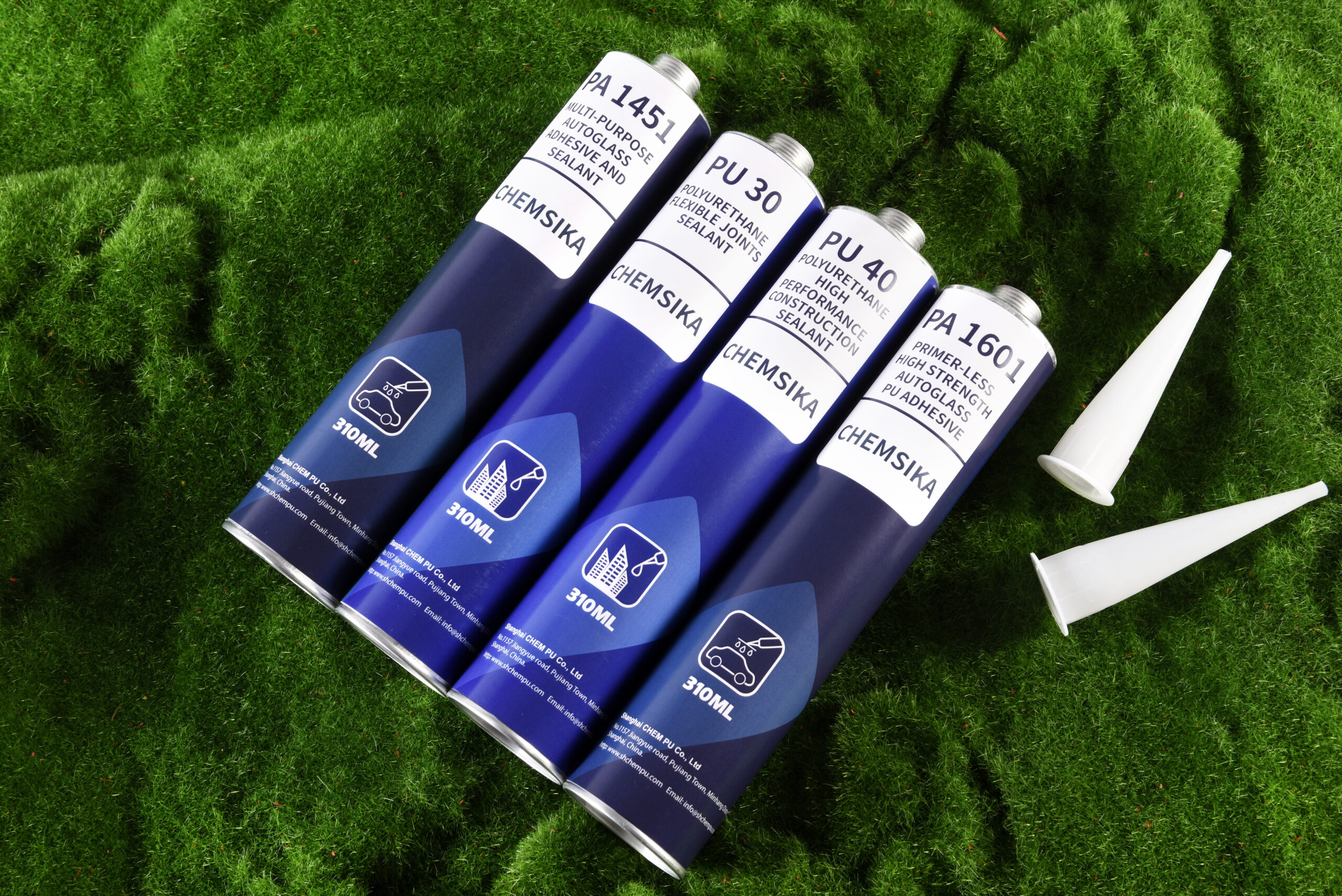
The Versatile Power of Polyurethane (PU) Glue
Polyurethane (PU) glue is a powerful adhesive known for its versatility and strength in bonding various materials. Whether you are working on a woodworking project, repairing furniture, or crafting DIY projects, PU glue is a reliable choice that offers numerous benefits.
Strength and Durability
One of the key advantages of PU glue is its exceptional bonding strength. It creates a strong and durable bond that can withstand heavy loads and resist impacts, making it ideal for structural applications.
Wide Range of Applications
PU glue can bond a wide range of materials including wood, metal, plastic, glass, and ceramics. This versatility makes it a go-to adhesive for different projects in industries such as construction, automotive, furniture making, and crafts.
Waterproof and Weather-Resistant
Another notable feature of PU glue is its waterproof properties. It forms a strong bond that is resistant to water, moisture, and extreme weather conditions. This makes it suitable for both indoor and outdoor applications.
Gap-Filling Capability
PU glue has excellent gap-filling capabilities, allowing it to bond uneven surfaces or fill gaps between materials. This feature ensures a secure bond even in challenging bonding situations.
Easy Application
PU glue is easy to apply with precision due to its liquid form. It can be dispensed using applicators or brushes, enabling precise application on small areas or intricate surfaces.
Conclusion
In conclusion, polyurethane (PU) glue is a versatile adhesive that offers superior bonding strength, durability, waterproof properties, gap-filling capabilities, and ease of application. Whether you are a professional craftsman or a DIY enthusiast, PU glue is an essential tool in your adhesive arsenal for various projects.
Top 5 FAQs About Polyurethane PU Glue: Uses, Strength, and Comparisons
- What is the best adhesive for polyurethane?
- What is polyurethane glue used for?
- Is PU glue the same as polyurethane glue?
- Is polyurethane glue as strong as epoxy?
- What is PU glue used for?
What is the best adhesive for polyurethane?
When it comes to bonding polyurethane materials, polyurethane (PU) glue is often considered the best adhesive choice. PU glue offers excellent bonding strength, durability, and flexibility, making it ideal for adhering various types of polyurethane substrates. Its waterproof properties and ability to fill gaps further enhance its effectiveness in bonding polyurethane surfaces. Additionally, PU glue is easy to apply and provides a reliable bond that can withstand different environmental conditions. Overall, for optimal adhesion and performance with polyurethane materials, choosing a high-quality polyurethane (PU) glue is recommended.
What is polyurethane glue used for?
Polyurethane glue, commonly known as PU glue, is widely used for its versatility and strength in bonding various materials. It is commonly employed in woodworking projects for joining wood pieces together securely. Additionally, polyurethane glue finds applications in furniture repairs, construction projects, crafts, and DIY endeavors. Its waterproof properties make it ideal for outdoor projects or applications exposed to moisture. Polyurethane glue’s ability to bond a wide range of materials such as wood, metal, plastic, and ceramics makes it a popular choice for professionals and hobbyists seeking a reliable adhesive solution for diverse bonding needs.
Is PU glue the same as polyurethane glue?
In the realm of adhesives, the terms “PU glue” and “polyurethane glue” are often used interchangeably to refer to the same type of adhesive. Both PU glue and polyurethane glue are derived from polyurethane resins and share similar characteristics such as strong bonding strength, versatility in application, and resistance to water and weather conditions. Therefore, when asking whether PU glue is the same as polyurethane glue, the answer is yes – they typically refer to the same type of adhesive product that offers reliable bonding solutions across various materials and applications.
Is polyurethane glue as strong as epoxy?
When comparing polyurethane (PU) glue to epoxy, it is important to consider that both adhesives have their own strengths and characteristics. While epoxy is known for its exceptional bonding strength and chemical resistance, polyurethane glue offers advantages such as flexibility, gap-filling capabilities, and resistance to moisture. In terms of sheer strength, epoxy may have a slight edge in certain applications requiring maximum load-bearing capacity. However, polyurethane glue’s versatility and ability to bond a wide range of materials make it a popular choice for various projects where flexibility and durability are key factors. Ultimately, the choice between polyurethane glue and epoxy depends on the specific requirements of the project at hand.
What is PU glue used for?
Polyurethane (PU) glue is commonly used for a wide range of applications due to its versatility and strong bonding capabilities. PU glue is often utilized in woodworking projects for bonding wood pieces together securely. It is also commonly used in furniture repair and assembly, as well as in crafting and DIY projects where a durable and reliable adhesive is required. Additionally, PU glue finds applications in industries such as construction, automotive, and manufacturing for bonding various materials like metal, plastic, glass, and ceramics. Its waterproof properties make it suitable for both indoor and outdoor projects, while its gap-filling capability ensures a strong bond even on uneven surfaces. Overall, PU glue is a go-to adhesive for professionals and hobbyists alike for its strength, durability, and versatility across different applications.