
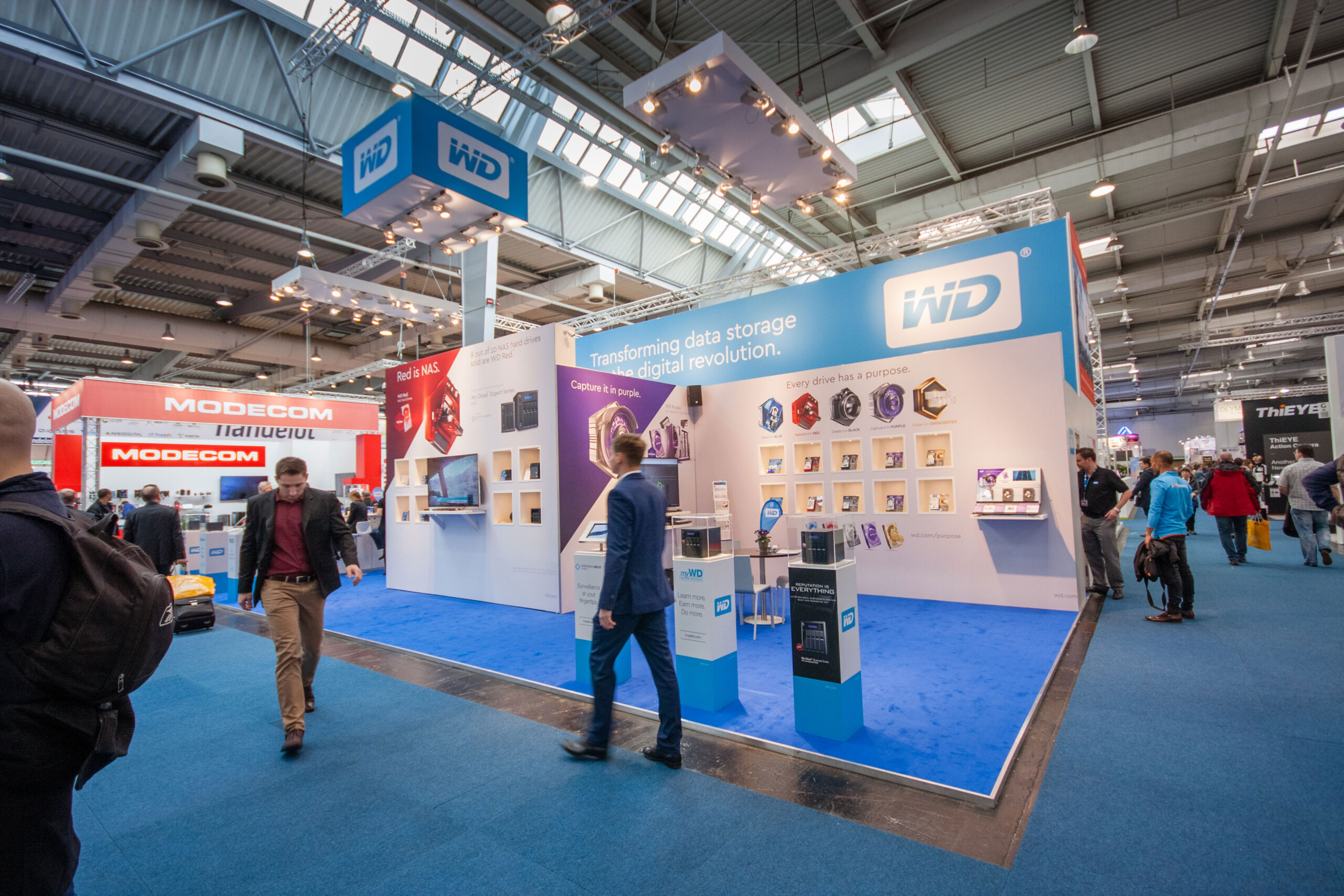
The Significance of Trade Shows in the Business World
Trade shows play a crucial role in the business world, serving as platforms where companies can showcase their products and services to a targeted audience. These events bring together industry professionals, potential clients, and stakeholders, creating valuable opportunities for networking, marketing, and business development.
One of the key benefits of participating in a trade show is the ability to generate leads and attract new customers. By exhibiting at these events, companies can engage directly with attendees, demonstrate their offerings, and build brand awareness. This face-to-face interaction helps establish credibility and trust with potential clients, ultimately leading to increased sales and business growth.
Trade shows also provide a unique opportunity for companies to stay updated on industry trends, innovations, and competitors. By attending seminars, workshops, and product demonstrations at these events, businesses can gain valuable insights into market dynamics and consumer preferences. This knowledge enables companies to adapt their strategies accordingly and stay ahead of the curve.
Moreover, trade shows offer a platform for collaboration and partnership building within the industry. Exhibitors have the chance to network with other businesses, forge strategic alliances, and explore potential joint ventures. These connections can lead to mutually beneficial opportunities for growth, expansion, and diversification.
In conclusion, trade shows are essential components of a company’s marketing strategy. They provide a dynamic environment for businesses to connect with their target audience, showcase their offerings, stay informed about industry developments, and form valuable partnerships. By leveraging the opportunities presented by trade shows effectively, companies can position themselves for success in today’s competitive business landscape.
Essential FAQs About Trade Shows: Understanding Their Importance, Benefits, and Best Practices
- What is a trade show?
- Why are trade shows important for businesses?
- How can companies benefit from participating in trade shows?
- What types of companies exhibit at trade shows?
- How can I prepare for a trade show as an exhibitor?
- What should I expect as an attendee at a trade show?
- Are there any costs associated with attending or exhibiting at a trade show?
- How can I maximize my ROI from participating in a trade show?
- What are some tips for successful networking at a trade show?
What is a trade show?
A trade show is a specialized exhibition or event where businesses from a particular industry come together to showcase their products, services, and innovations to a targeted audience. It serves as a platform for companies to interact with potential clients, network with industry professionals, and explore business opportunities. Trade shows play a vital role in facilitating market visibility, brand promotion, and lead generation for exhibitors. These events often feature product demonstrations, seminars, and networking sessions that enable participants to stay updated on industry trends and developments. Overall, trade shows are instrumental in fostering connections, driving business growth, and enhancing market presence within a specific sector.
Why are trade shows important for businesses?
Trade shows are vital for businesses due to the numerous benefits they offer. These events provide a platform for companies to showcase their products and services directly to a targeted audience, leading to increased brand visibility and customer engagement. Trade shows also facilitate networking opportunities with industry professionals, potential clients, and stakeholders, fostering valuable connections that can drive business growth. Additionally, participating in trade shows allows businesses to stay abreast of industry trends, innovations, and competitors, enabling them to adapt their strategies effectively and maintain a competitive edge in the market. Overall, trade shows play a crucial role in enhancing brand presence, generating leads, and expanding business opportunities for companies across various industries.
How can companies benefit from participating in trade shows?
Companies can benefit significantly from participating in trade shows in various ways. Firstly, trade shows provide a valuable platform for companies to showcase their products and services to a targeted audience, leading to increased brand visibility and awareness. Secondly, these events offer opportunities for direct engagement with potential customers, enabling companies to generate leads, build relationships, and ultimately drive sales. Additionally, participating in trade shows allows companies to stay informed about industry trends, innovations, and competitors, helping them adapt their strategies and stay competitive. Moreover, trade shows facilitate networking with industry peers, potential partners, and stakeholders, opening doors for collaboration and business growth. Overall, the exposure, networking opportunities, market insights, and lead generation provided by trade shows make them a valuable investment for companies looking to expand their reach and enhance their business prospects.
What types of companies exhibit at trade shows?
Various types of companies exhibit at trade shows, representing a diverse range of industries and sectors. From manufacturers and suppliers to service providers and technology firms, trade shows attract companies across different verticals looking to showcase their products and services. You can find companies specializing in areas such as automotive, healthcare, technology, fashion, agriculture, and more participating in trade shows. These events offer a platform for companies of all sizes, from startups to multinational corporations, to connect with potential customers, partners, and industry professionals in a conducive environment for networking and business development.
How can I prepare for a trade show as an exhibitor?
As an exhibitor preparing for a trade show, it is essential to plan and strategize effectively to maximize your presence and achieve your objectives. Start by defining clear goals for your participation, whether it’s generating leads, showcasing new products, or building brand awareness. Design an attractive booth that reflects your brand identity and engages attendees. Promote your presence before the event through social media, email campaigns, and personal invitations to attract visitors to your booth. Train your staff to be knowledgeable about your products or services, engage with potential customers effectively, and follow up promptly after the show to capitalize on leads generated. By taking a proactive approach to preparation, you can make the most of your trade show experience and drive success for your business.
What should I expect as an attendee at a trade show?
As an attendee at a trade show, you can expect a bustling environment filled with exhibitors showcasing their products and services. You will have the opportunity to explore a wide range of offerings, from industry innovations to established solutions. Expect to engage in meaningful conversations with representatives from various companies, gaining insights into their offerings and the latest trends in the market. Additionally, trade shows often feature educational sessions, product demonstrations, and networking events that allow you to expand your knowledge, build connections, and discover new business opportunities. Overall, attending a trade show offers a valuable experience for learning, networking, and staying informed about developments in your industry.
Are there any costs associated with attending or exhibiting at a trade show?
Attending or exhibiting at a trade show typically involves various costs that businesses need to consider. For exhibitors, there are expenses such as booth rental fees, exhibit design and construction costs, promotional materials, staffing, travel and accommodation expenses, and marketing collateral. Additionally, there may be fees for electricity, internet connection, and other services provided by the trade show organizers. On the other hand, attendees may incur costs related to registration fees, travel, accommodation, meals, and any additional networking events or seminars they choose to participate in. It is important for companies to carefully budget for these expenses and weigh the potential benefits of participating in a trade show against the associated costs to ensure a successful return on investment.
How can I maximize my ROI from participating in a trade show?
To maximize your return on investment (ROI) from participating in a trade show, it is essential to have a well-defined strategy in place. Start by setting clear objectives for the event, whether it’s generating leads, increasing brand awareness, or closing sales. Design an attractive and engaging booth that reflects your brand identity and effectively showcases your products or services. Prioritize networking by engaging with attendees, exchanging contact information, and following up promptly after the event. Consider offering special promotions or discounts to incentivize potential customers to make a purchase. Lastly, evaluate your performance post-event by analyzing metrics such as lead generation, sales conversions, and overall feedback to identify areas for improvement and refine your approach for future trade shows.
What are some tips for successful networking at a trade show?
Networking at a trade show is a valuable opportunity to establish meaningful connections and expand your professional network. To make the most of this experience, consider these tips for successful networking: Firstly, set clear goals for what you want to achieve through networking, whether it’s generating leads, forming partnerships, or gaining industry insights. Be proactive in approaching attendees, exhibitors, and speakers, and engage in genuine conversations to build rapport. Exchange contact information and follow up after the event to maintain connections. Additionally, attend networking events and seminars to meet like-minded individuals and expand your circle. Lastly, don’t forget to listen actively, ask thoughtful questions, and be prepared to share your own expertise and value proposition.