
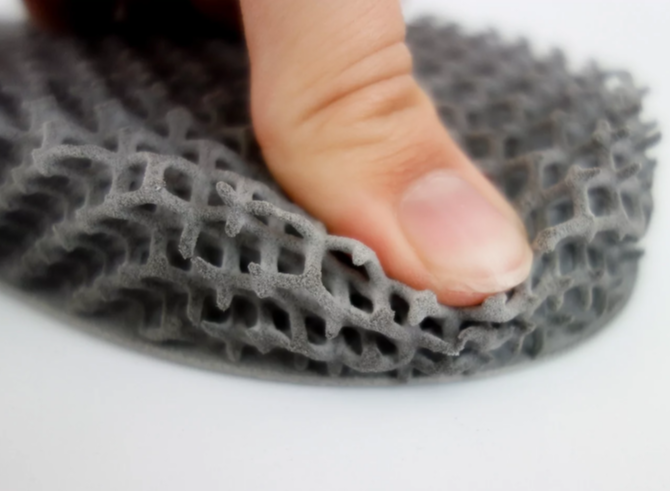
The Versatility of TPU Material in Modern Industries
Thermoplastic Polyurethane (TPU) is a versatile material that has gained significant popularity in various industries due to its unique properties and applications. TPU is a type of elastomer that combines the flexibility of rubber with the strength and durability of plastic, making it ideal for a wide range of uses.
Properties of TPU
TPU is known for its excellent abrasion resistance, high tensile strength, and good elasticity. It can be easily molded into different shapes and forms, making it suitable for applications that require flexibility and durability. TPU is also resistant to oil, grease, and solvents, making it a preferred choice for industrial applications.
Applications of TPU
TPU is used in various industries such as automotive, footwear, sports equipment, electronics, and medical devices. In the automotive industry, TPU is commonly used in airbags, seals, gaskets, and interior components due to its impact resistance and flexibility. In footwear manufacturing, TPU is used in outsoles, midsoles, and uppers to provide comfort and support.
Advantages of Using TPU
One of the main advantages of using TPU is its versatility. It can be easily processed using injection molding or extrusion techniques to create complex shapes and structures. TPU also offers excellent weather resistance and UV stability, making it suitable for outdoor applications.
Future Prospects
The demand for TPU material is expected to grow further as industries continue to seek lightweight yet durable materials for their products. With ongoing research and development efforts focused on enhancing the properties of TPU, we can expect to see even more innovative applications across various sectors in the future.
Understanding TPU Material: Common Questions and Answers
- Is TPU a rubber or plastic?
- Is TPU good material?
- What is the disadvantage of TPU?
- Is TPU material safe?
- Is TPU a plastic or rubber?
- Is TPU a strong material?
- Which is better, TPU or silicone?
Is TPU a rubber or plastic?
Thermoplastic Polyurethane (TPU) is a unique material that combines characteristics of both rubber and plastic. While TPU shares the flexibility and elasticity of rubber, it also possesses the strength, durability, and moldability typical of plastics. This dual nature of TPU allows it to be used in a wide range of applications where a balance between flexibility and toughness is required. Consequently, TPU is often referred to as a hybrid material that bridges the gap between traditional rubber and plastic polymers, offering versatile solutions for industries seeking resilient yet adaptable materials.
Is TPU good material?
Thermoplastic Polyurethane (TPU) is widely recognized as a good material due to its versatile properties and numerous applications across various industries. TPU offers a unique combination of flexibility, durability, and strength, making it suitable for a wide range of uses. Its excellent abrasion resistance, high tensile strength, and elasticity make it a preferred choice for applications that require both flexibility and toughness. Additionally, TPU is resistant to oil, grease, and solvents, further enhancing its usability in different environments. Overall, the versatility and performance of TPU make it a highly regarded material in the manufacturing sector.
What is the disadvantage of TPU?
While Thermoplastic Polyurethane (TPU) offers a wide range of advantages such as flexibility, durability, and resistance to abrasion, it does have some limitations. One common disadvantage of TPU is its susceptibility to hydrolysis, especially in humid or wet environments. This can lead to a decrease in the material’s mechanical properties over time. Additionally, TPU may not be as heat-resistant as some other engineering plastics, which can limit its use in high-temperature applications. However, advancements in TPU formulations and processing techniques continue to address these challenges, making TPU a versatile material with expanding applications across industries.
Is TPU material safe?
Is TPU Material Safe?
Thermoplastic Polyurethane (TPU) material is considered safe for a wide range of applications. TPU is non-toxic and does not contain harmful substances such as phthalates or heavy metals, making it safe for use in consumer products. Additionally, TPU is biocompatible, meaning it is unlikely to cause any adverse reactions when in contact with the skin or body. However, as with any material, proper handling and disposal practices should be followed to ensure safety and environmental responsibility.
Is TPU a plastic or rubber?
Thermoplastic Polyurethane (TPU) is a unique material that exhibits characteristics of both plastic and rubber. While TPU is classified as a type of plastic due to its thermoplastic nature, which allows it to be melted and molded into different shapes, it also shares properties with rubber such as elasticity, flexibility, and resilience. This dual nature of TPU makes it a versatile material that combines the best of both worlds, making it suitable for a wide range of applications across various industries.
Is TPU a strong material?
Thermoplastic Polyurethane (TPU) is known for its strength and durability, making it a strong material that is widely used in various industries. TPU exhibits high tensile strength and excellent abrasion resistance, making it suitable for applications that require toughness and resilience. Its unique combination of flexibility and toughness sets it apart as a material that can withstand demanding conditions while maintaining its structural integrity. Overall, TPU is considered a strong material that offers reliable performance in diverse applications.
Which is better, TPU or silicone?
When comparing TPU (Thermoplastic Polyurethane) and silicone, the choice between the two materials depends on the specific requirements of the application. TPU is known for its excellent abrasion resistance, high tensile strength, and flexibility, making it a preferred choice for applications that require durability and elasticity. On the other hand, silicone offers superior heat resistance, biocompatibility, and a softer feel compared to TPU. Therefore, if the application involves high temperatures or requires biocompatible properties, silicone may be the better option. Ultimately, the decision between TPU and silicone should be based on factors such as desired properties, intended use, and environmental conditions to ensure optimal performance.